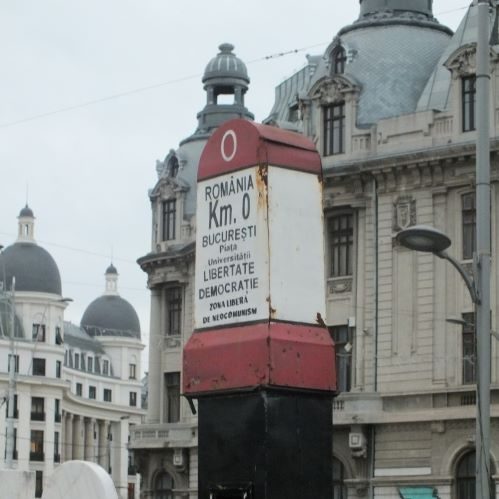
The train from Helsinki to St Petersburg passed through more wintry forests and great frozen lakes. At the Russian border they brought the dogs onto the train and suddenly the guards were wearing fur hats; it was almost comically Russian, down to all the moody visa inspectors.

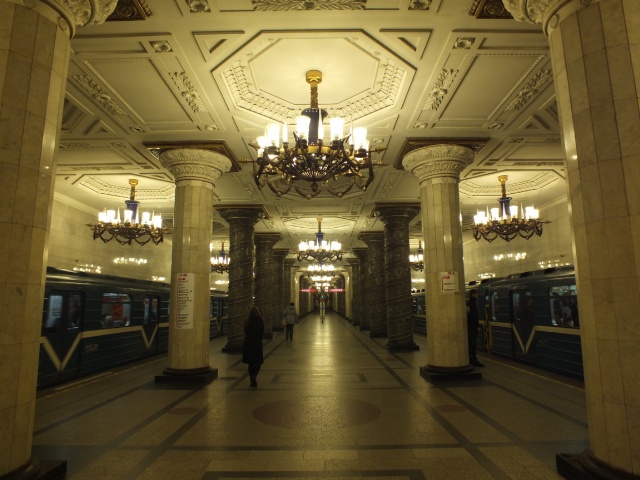
I arrived at Findlyandsky Station, where Lenin arrived for the October Revolution, and I felt a strong sense of culture shock. After I had recovered I found my way into the metro: the escalator goes down and down, further than you can see, below the rivers and the marshy land. Once underground, the stations are beautiful; some stations are deep red with art nouveau brass fittings, others have chandeliers and crystal columns.
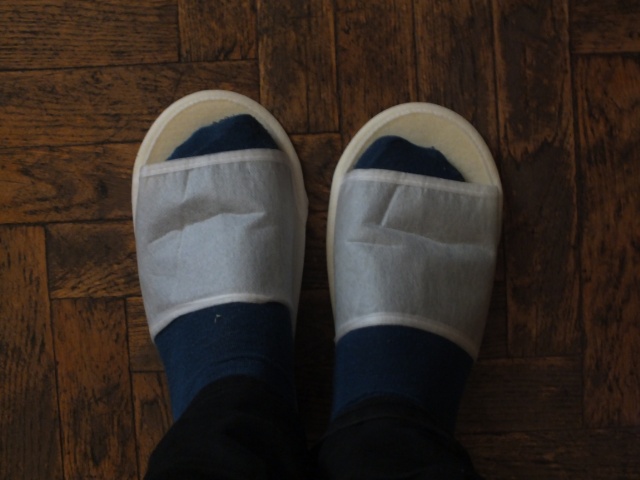
My hostel is extremely friendly since it mostly houses young Russians who seem to have nowhere else to live, and tourists provide a great source of interest and entertainment. One resident is a dance instructor and so we are treated to rehearsals every evening. I have even acquired a new pair of polystyrene slippers.
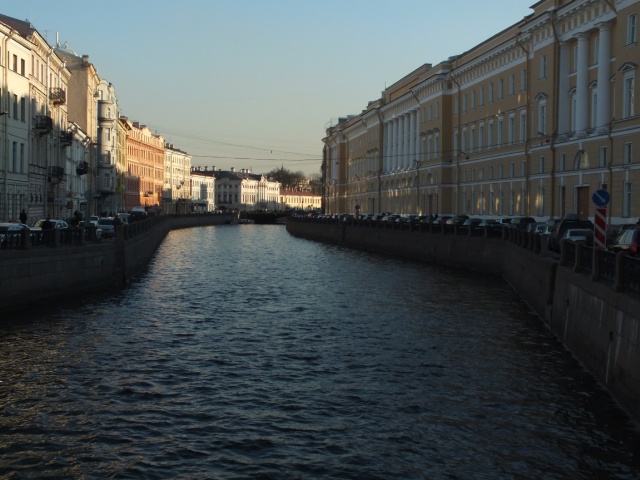
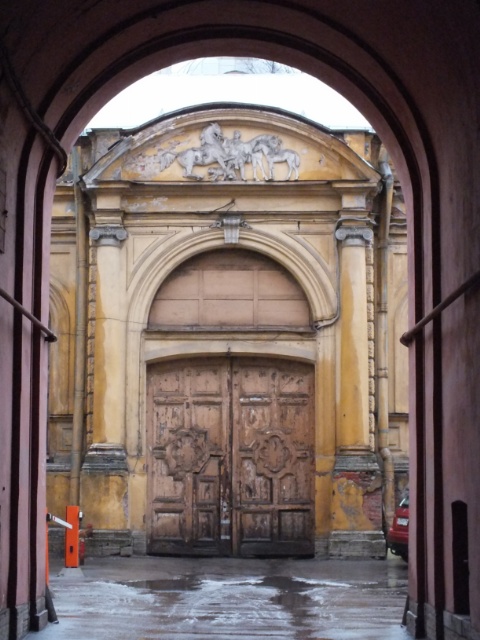
The first thing that struck me in St Petersburg was the terrible air and dirt, a mixture of car fumes, winter dust and smoking plastic from cigarettes dropped in dustbins. At this time of year, the never ending neoclassical buildings along Nevsky Prospekt are a rather delicate shade of dusty pastel pinks, greens and yellows. But the more time I spend here, the less I seem to notice the dirt, and the streets become more and more beautiful.
The first thing I had to do was visit the Hermitage. I know everyone says it is enormous, but I hadn’t imagined just quite how enormous it could be. I wandered around for five hours and don’t think I saw the same room twice. By the end, I was still discovering throne rooms and halls that would easily have been star attractions anywhere else.
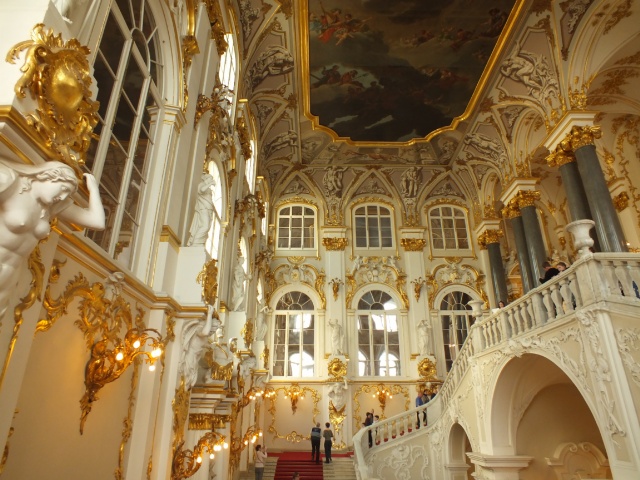
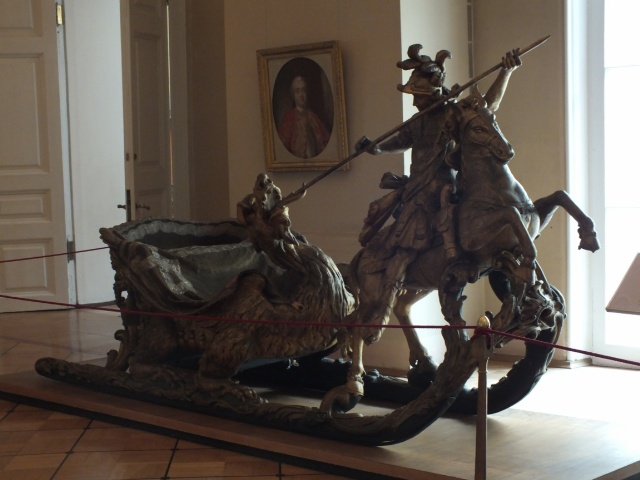
There were rooms with twenty types of marble, a malachite room, one with gold leaf wallpaper. Rembrandt had his own hall. There were Siberian mummies, room after room of Buddhas, furniture made out of gnarled tree roots, this amazing gold peacock clock, and, my favourite, a room of ceremonial sledges.
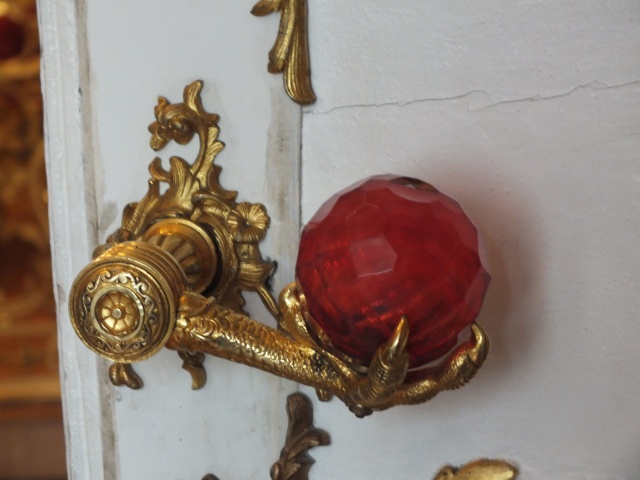
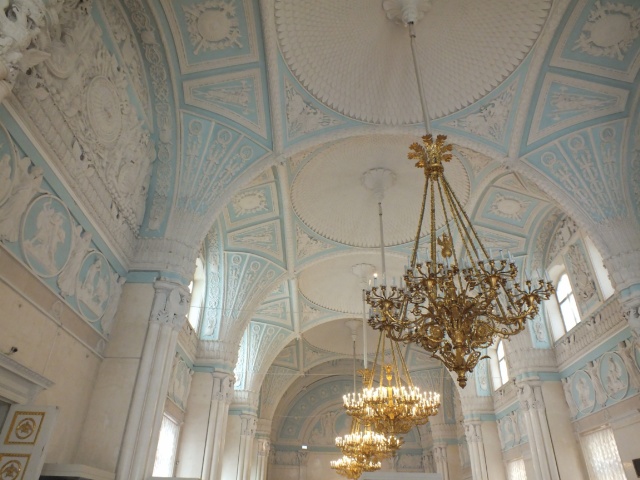
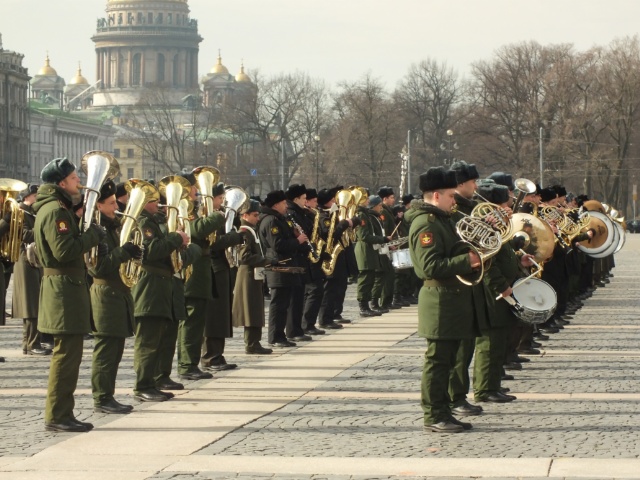
I’ve been doing all the usual tourist things, visiting galleries and buildings and prisons, so won’t bore you with them all. There is a lot of imperial magnificence that is elegant and impressive, and I have seen the double-headed eagle so many times I now find it rather frightening; one could almost forget there had ever been a revolution.
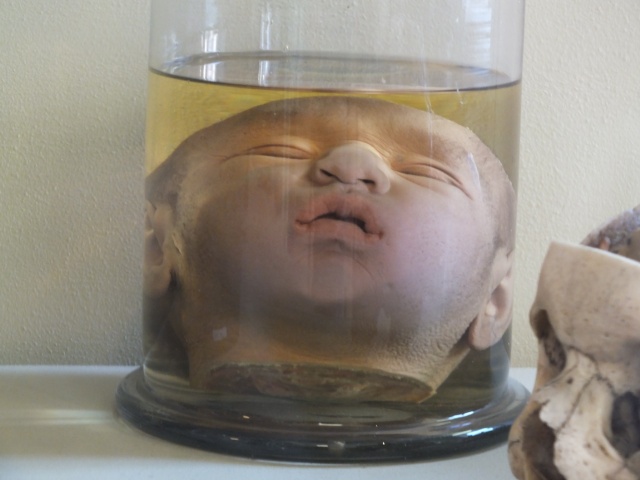
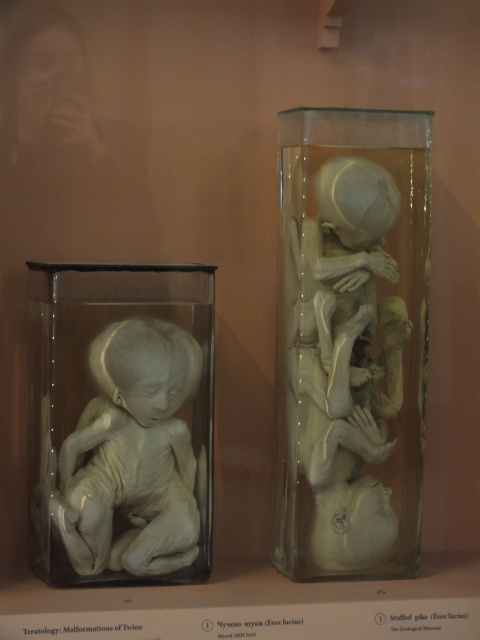
I wonder if the double-headed eagle symbol had anything to do with Peter I’s interest in human and animal deformities? One of the first museums ever built for the public in Russia is the Kunstammer, Peter’s collection of curiosities. There is a huge range of ethnographic material covering the native peoples of Siberia and North America, tribes in Africa (“all African women want to be fat”) and Indonesian warriors, but the main attraction is a scientific room full of bottled body parts and foetuses, and 18th century experiments in how to preserve in the most life-like way. It is fasinating and utterly grotesque.
 Km. 0
Km. 0 
thank you very much. That’s a really nice read and sounds quite an adventure. How is your Russian doing? Best wishes for Moscow! love Charlotte
LikeLike
Thank you! I’m getting by, but my spoken Russian needs to improve… Nothing better than being in Russia for that though!
LikeLike