Xian

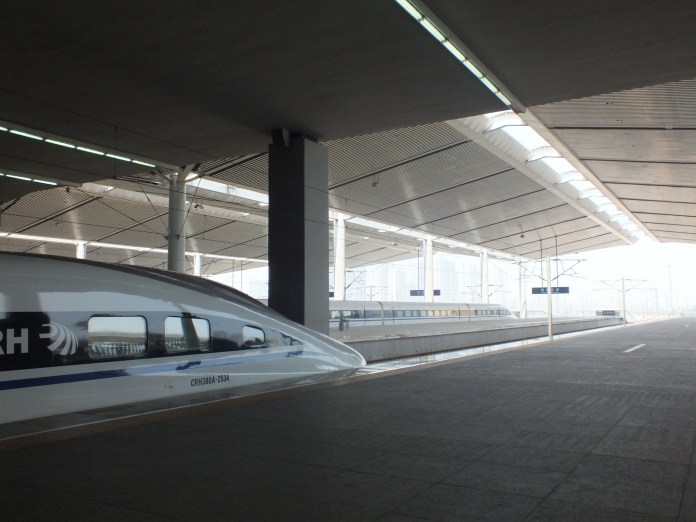
The bullet train took me to Xian at 305km/h, a six hour journey through fields and cities and construction sites rather than countryside.

5192016203916

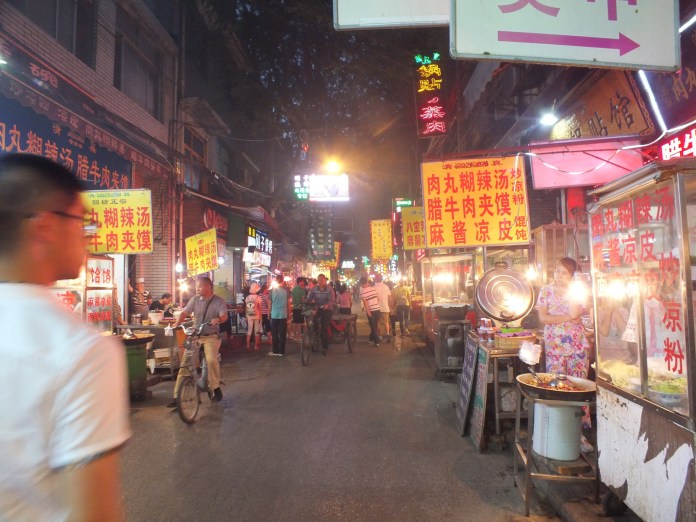
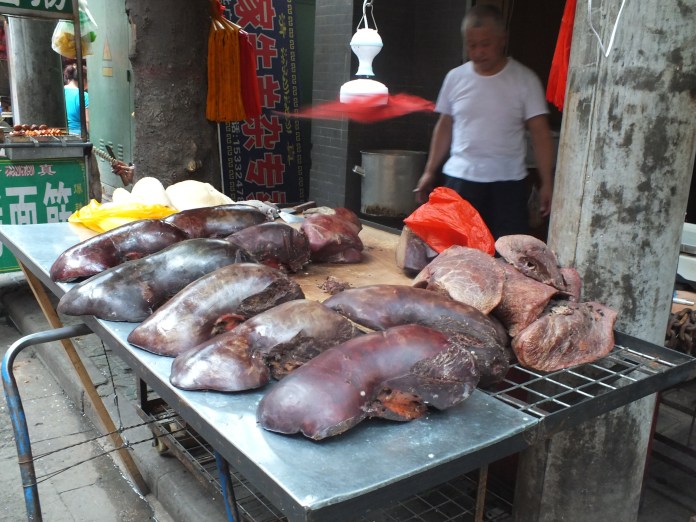
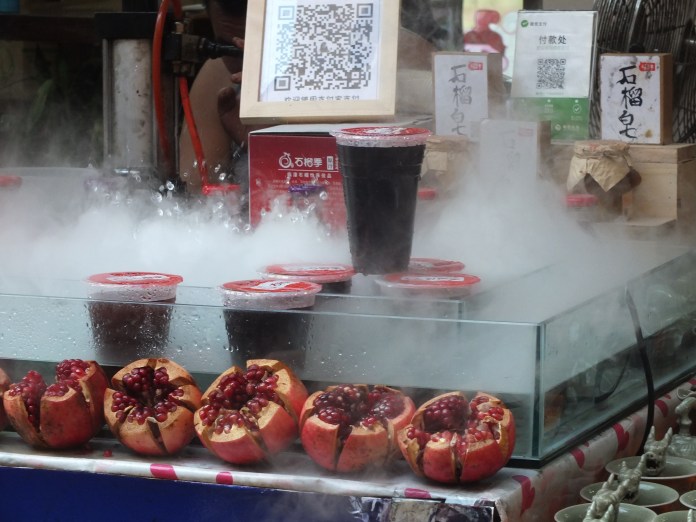
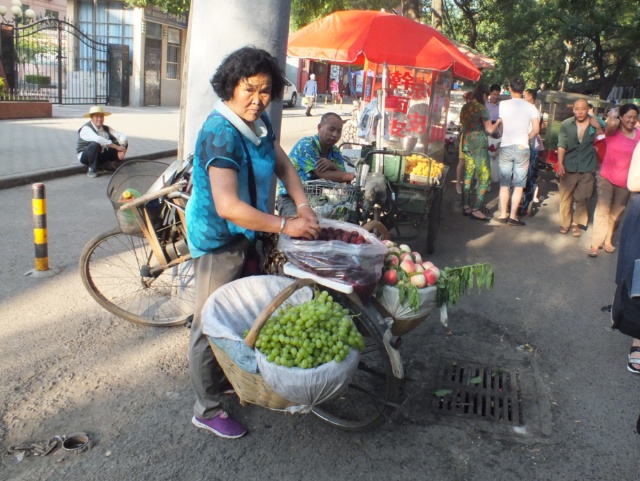
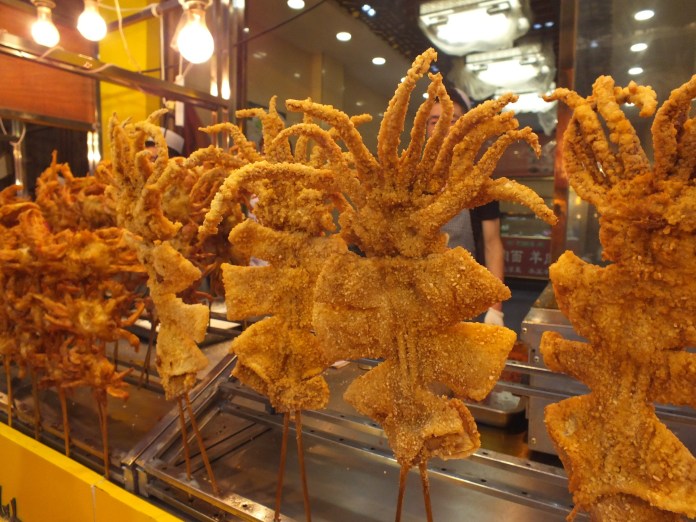
Xian was at one time the capital of China, and is one of the more pleasant cities (with a population of only 8.9m) – and the one visited by every tourist. The most exciting part was the Muslim quarter, a maze of streets lined with shops selling spices, dried persimons, walnuts, sweets, tofu, spiced breads, pumpkin cakes, fresh pomegranate juice. Women manned the stalls in headscarves, still looking very Chinese, and the call to prayer was amplified over the roofs. The road was covered in squashed tomatoes and cabbage leaves and the air was thick with smoke from the stoves, from which flames roared like furnaces. I couldn’t resist the deep fried squid on a stick (a whole one, flattened, like a giant lollipop).

5192016204754

519201620406

5192016204042

5192016204133

519201620448

5192016204340

5192016204526

5192016204431

5192016204634

5192016204551

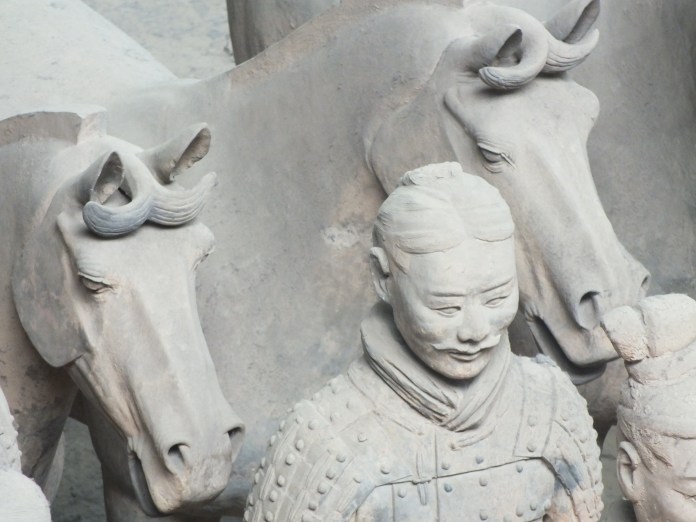
But the main reason for coming to Xian is to see the Terracotta Army. I went along with a history teacher from Shanghai and we spent a long time discussing the regional differences in facial features and dialects (she couldn’t understand any one unless they spoke Mandarin, and no one else can ever understand the Shanghai dialect).

5192016204921

5192016205119

519201620507

5192016205028

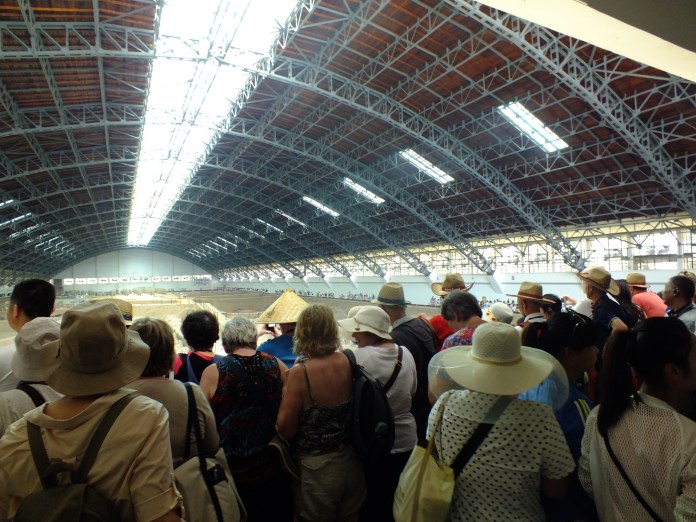
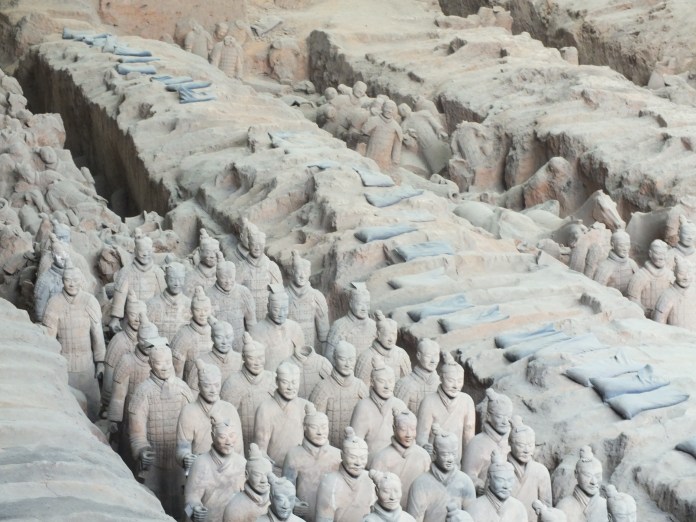
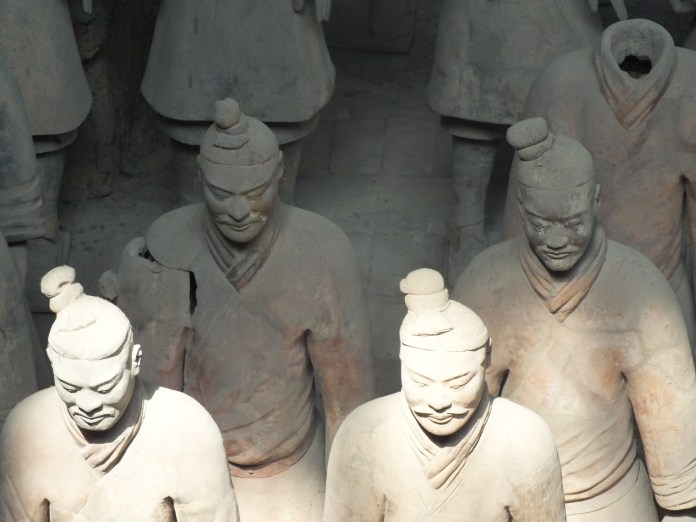
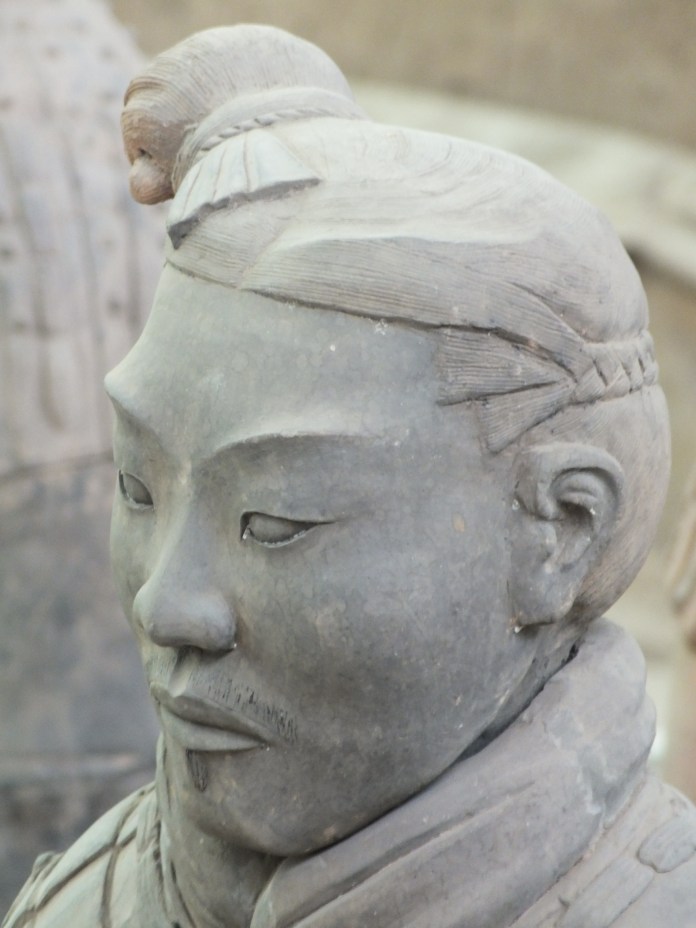
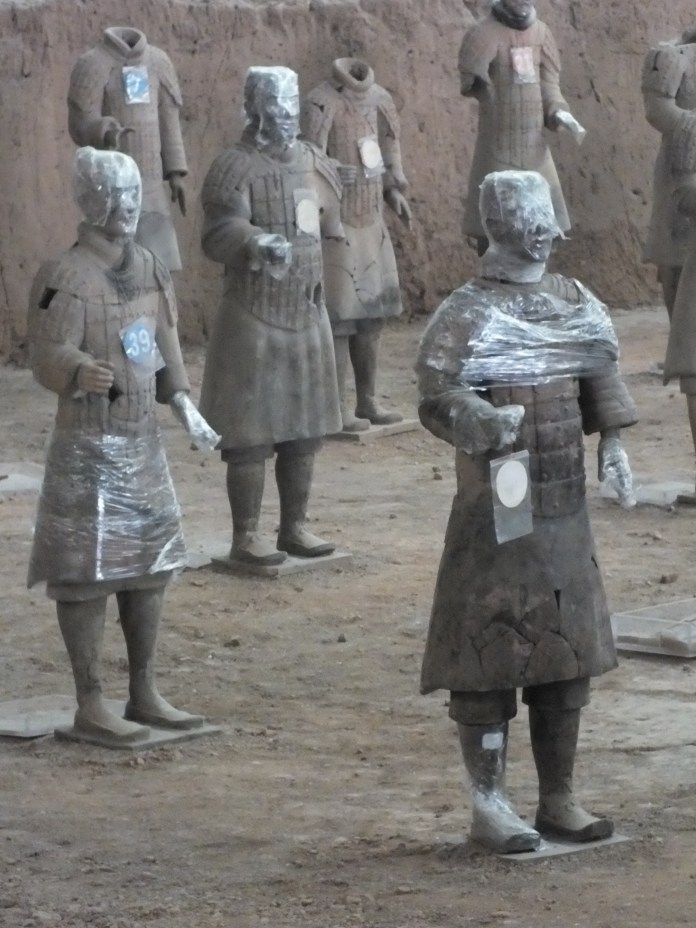
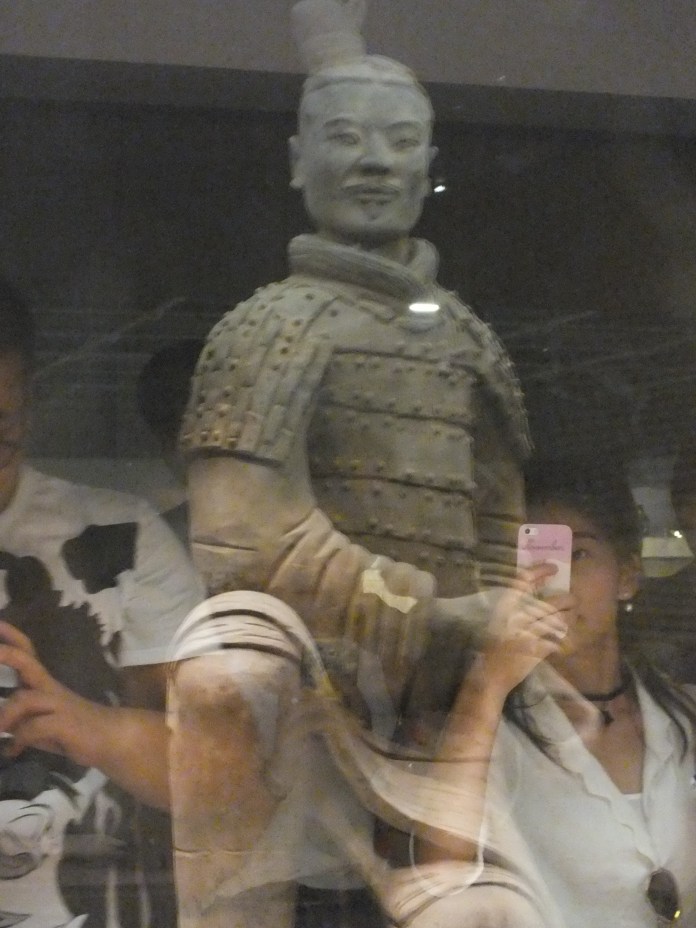
There were two armies: the army of clay and the army of tourists. We went backwards, fighting our way through to the front where we were confronted with the most impressive sight of hundreds of life size soldiers standing in line, ready to fight. Each one is unique, of varying height, posture, face type, expression, hairstyle and clothing. The soldiers were made in caves by coiling clay to create a hollow body, just an inch or so thick, and it took a team of ten or eleven craftsmen a month to make one soldier. They estimate there are about 8000 soldiers. Once they’d been fired in the caves, they were painted bright colours and given weapons.

5192016205429

519201620562

519201620537

5192016205643

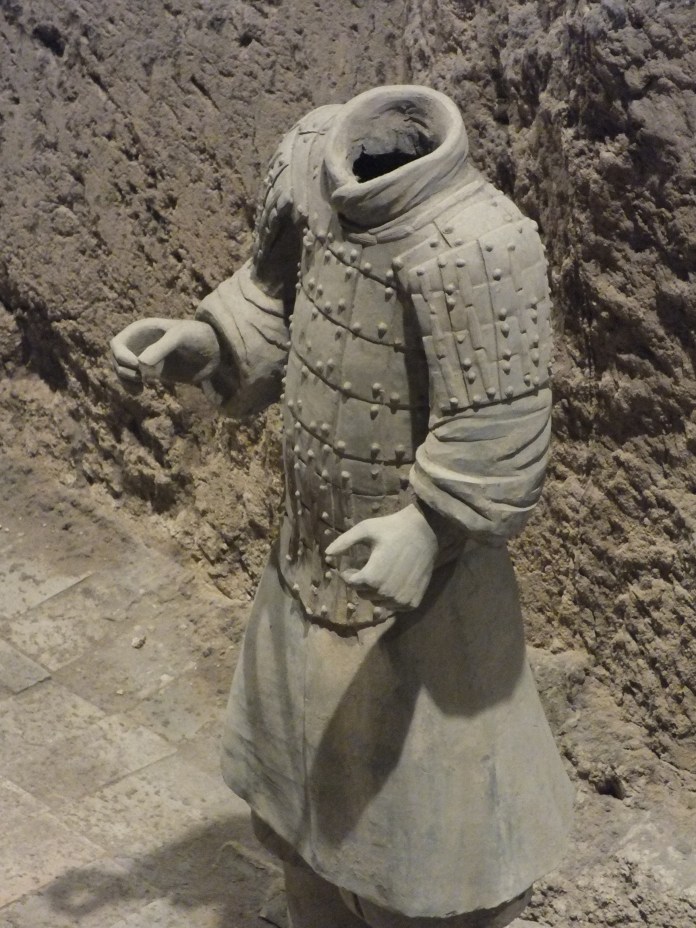
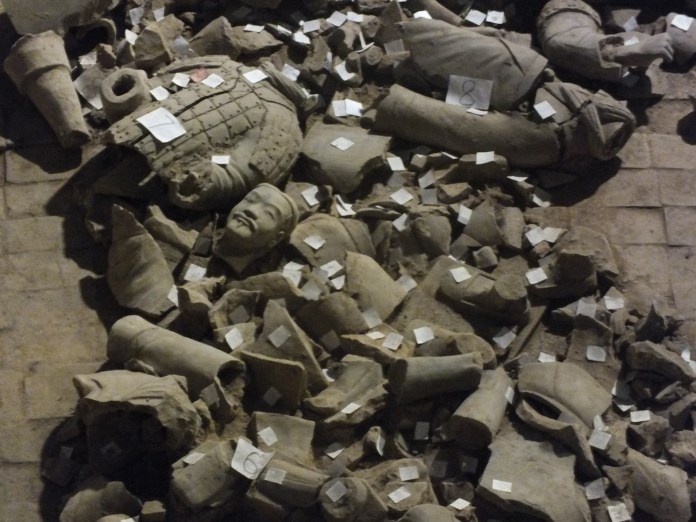
They were all so different you could spend hours just looking at their faces, like people watching. And they were so lifelike and full of character, with so much detail, that I felt quite upset at the sight of so many shattered torsos, broken hands and severed heads.

519201620577

Most of what you see are actually unidentifiable shards of pottery, and it’s essentially an archaeological site. The real hard work comes at the tomb of Emperor Qin, first emperor of China, which hasn’t even been excavated yet (they’re awaiting improvements in preservation technology). Legend has it that there were underground rivers of mercury. I’ll never know. What a con for tourists, but still a brilliant day out.

Standard

Ulaanbaatar to Beijing

Everyone says how hard it is to get train tickets from Ulaanbaatar to Beijing, so I did it the local way – and for a third of the cost.

5192016203052

No one will touch the Mongolian Turghrik outside Mongolia and even I can spot the fake notes. There were chaotic scenes at the train station as people exchanged bundles of notes on a scale I’ve only seen in gangster films. They were all going shopping in China, and my neighbour proudly (but I suspect wrongly) boasted that this was the longest passenger train in the world. I reached the Mongolian border the next morning and took a jeep across the checkpoint (for some reason it always has to be a jeep – it looked like an antique jeep showroom).

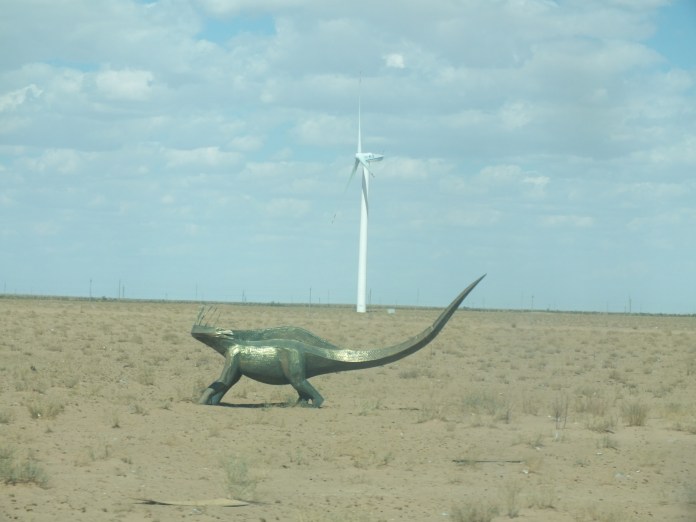
And then I arrived in Inner Mongolia. The landscape was identical, but it was completely different. The Chinese had managed to grow trees and plants, they had tarmac roads and had put up fences. But they also wrote using the old Mongolian script rather than in Cyrillic. And they had scattered the desert with metal dinosaurs.

5192016202810

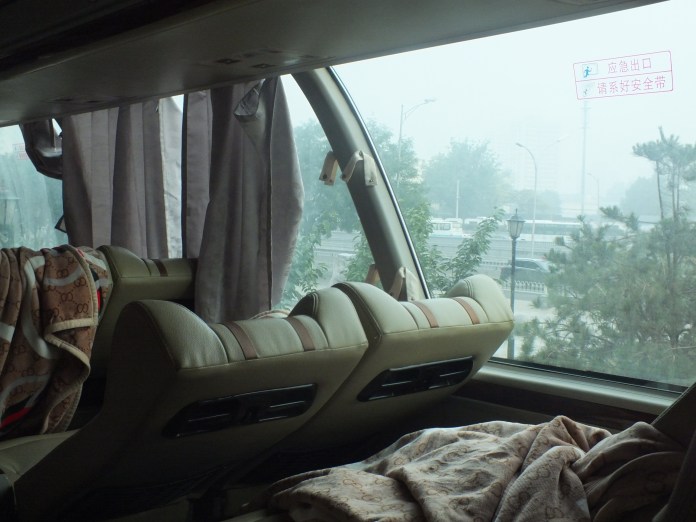
I took an overnight bus run by the Peaceful Passenger Company and woke up in Beijing at 5.30, covered in mosquito bites, to find the bus deserted. It was hot and, outside, through a white smog, I could make out skyscrapers; middle-aged women went by in lycra power-walking their dogs. For a while I wondered how to get off the bus, but someone appeared and showed me a map, and I set off into China!

5192016202719

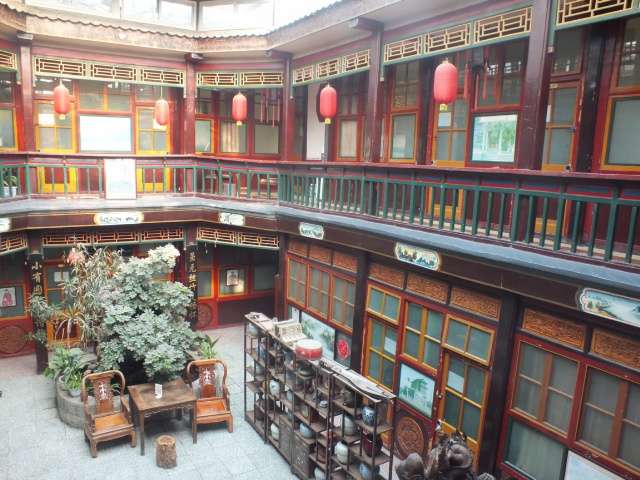
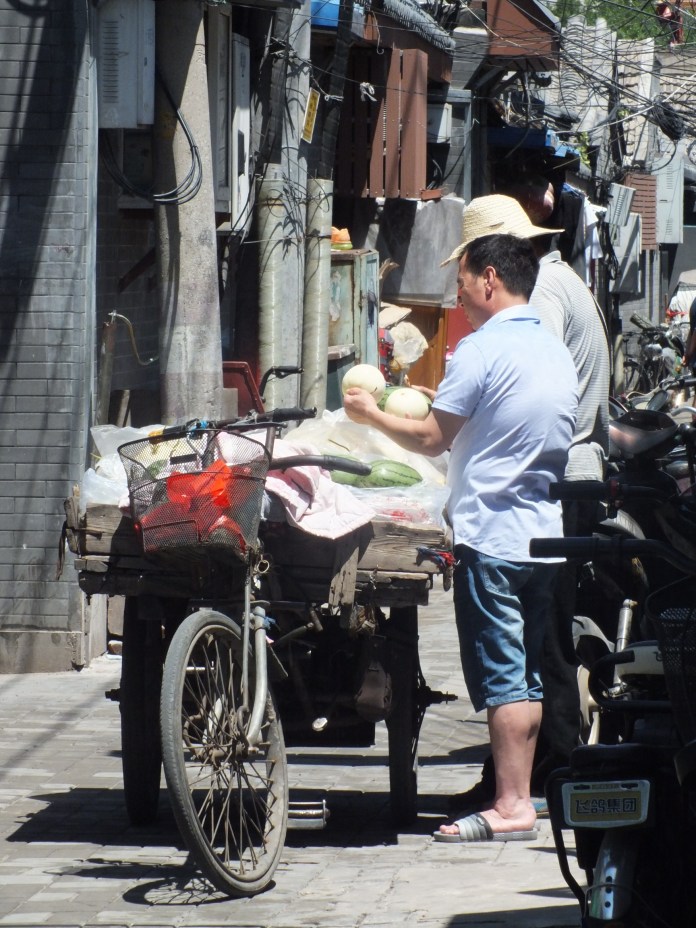
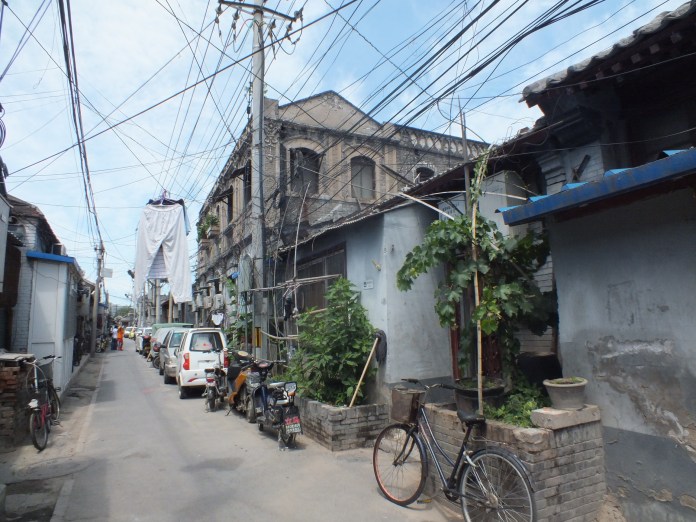
It was sunny but I couldn’t see the sun, and it looked misty although there were clear shadows. Rickshaws (trishaws, I should call them) rushed past pulling people and food, the trees were all in leaf, the subway was clean, efficient and in English. In the streets people stood cooking and steaming dumplings while families sat eating breakfast together. The hutongs, the narrow alleys, were just wide enough for a car, but were filled with flower pots and piles of bicycles; bikes would honk their way through the crowds. And there was fruit! Masses of melons, peaches, mangosteens, durian, cherries, lychees. My hostel was a small courtyard hidden away amongst this, with a fountain and goldfish pool, a large wooden dragon, and shelves of china bowls; overlooking everything hung a large faded portrait of Mao.

519201620154

5192016201531

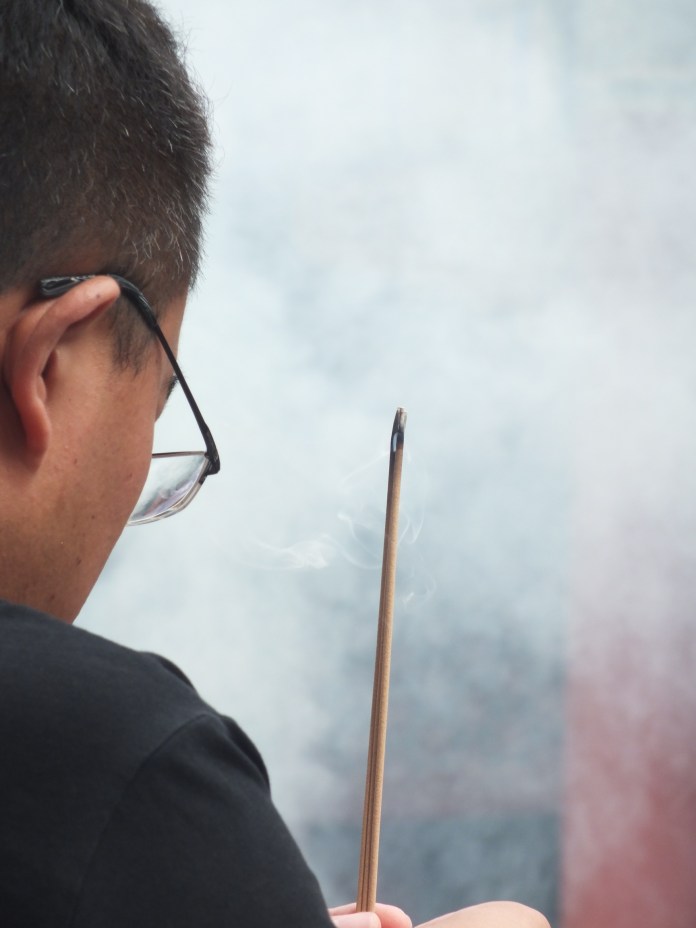
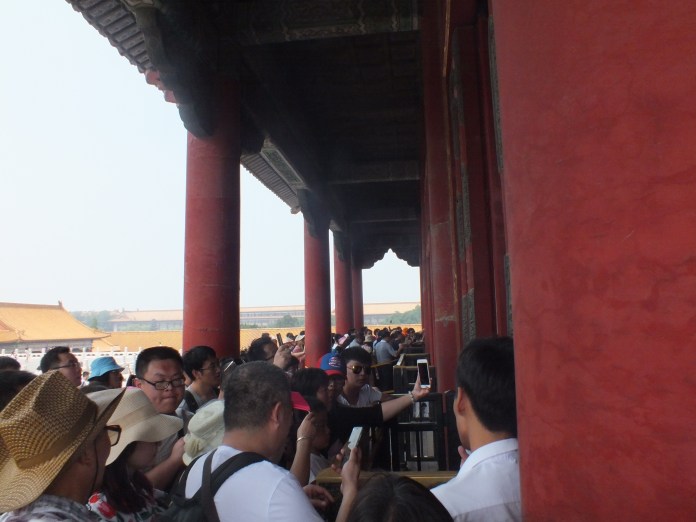
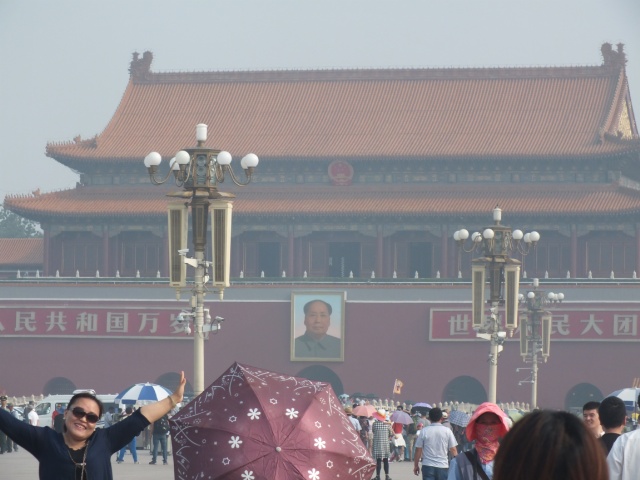
I decided that in China, of all places, it was acceptable to look like a tourist. I visited the Buddhist Lama temple with its heavy fog of incense, the temple of Confucius with its ancient cypress trees, the drum and bell towers, and the Forbidden City, which was so full of people there wasn’t much else to see.5192016202626

519201620136

Then I plucked up the courage to visit Mao (since Lenin hadn’t been available). I queued up with the masses of sombre Chinese and we were hurried along by teenage volunteers. People bought yellow flowers along the way and once we had walked up into the first room, they held up the flowers above their heads and bowed towards the statue of Mao, and then added them to the mountain of yellow flowers, just like they had offered incense to Buddha. The man himself was large with a round belly and a gaping mouth. I had a headache for the rest of the day.

5192016201325

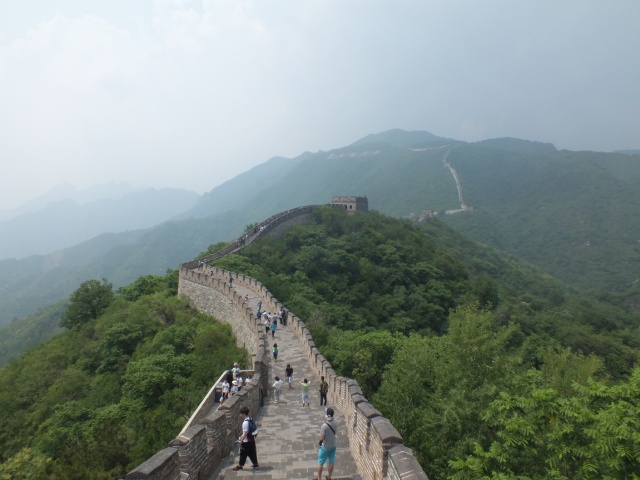
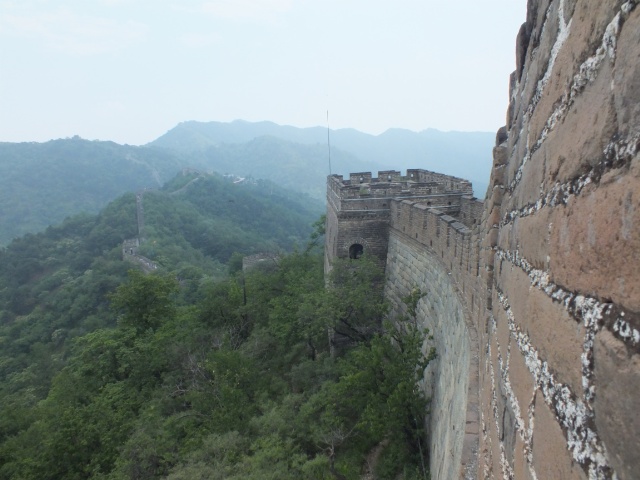
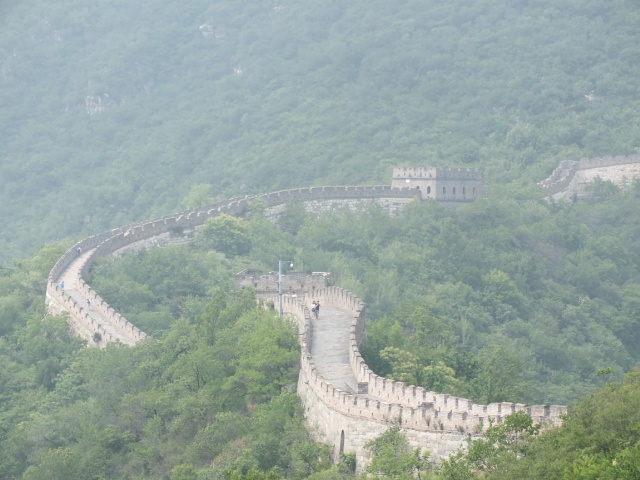
The next day I went to the Great Wall and fell for a taxi scam – it had to happen at some point I suppose. It was so hot I instantly sweated off all my suncream and by the time I’d climbed to the top I was plum purple. But the views made up for everything. It was perfect: thick green forested mountains, fruit trees, cool watchtowers and the great long undulating walI.5192016194353

5192016194733

5192016194257


I spent Saturday relaxing in the park along with most people in Beijing. Pekinese and poodles appeared fresh from the salons with ribbons in their fur, and a girl came up and said, in very faltering English, she’d like to be friends with me. We tried to have a conversation but didn’t really manage, so went and hung out in the fitness park instead.

5192016195413

5192016201628

519201620147


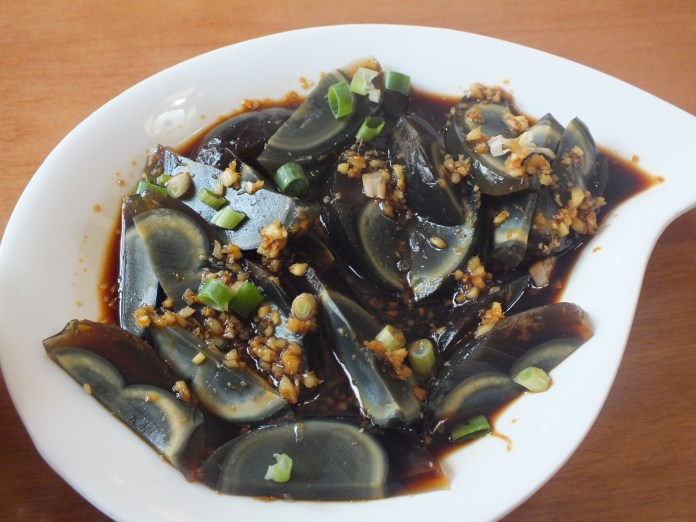
Against all expectations, I loved Beijing. Barring one revolting tofu breakfast, the food was delicious, the streets were always colourful and full of activity, and although it was mostly smoggy, the streets were pleasant and lined with trees, and most of the back streets were car-free. But after a few days I was getting really tired of having to show my passport everywhere, having my bag x-rayed and my water bottle scanned every time I went on the subway or to a public building. The fences on every main street, controlling everthing and stopping you walking in perfectly reasonable places, irritated me, as did the paternalistic messages. And no one seemed at all put out or annoyed.

519201619528

5192016202153


I also discovered how much I depend on Google: no gmail, no Google maps, no easy search. There are standard (albeit illegal) ways to overcome this, but I was a technological failure. Life was very tough. Even this blog was banned. I spent some time reading articles on Chinese dissidents to see how far I could get before being blocked: not very far, but, in English at least, further than I’d imagined.

5192016201928

5192016201947

5192016202432

5192016203330

519201620389


I barely saw anything of the city, but it was wonderfully strange and beautiful. I arrived with a basic grasp of Chinese history, but it was as though suddenly an entirely new culture had opened up.

5192016201835

5192016202231

519201620336

5192016202518

5192016201856


Standard

Kharkhorin and the Eight Lakes

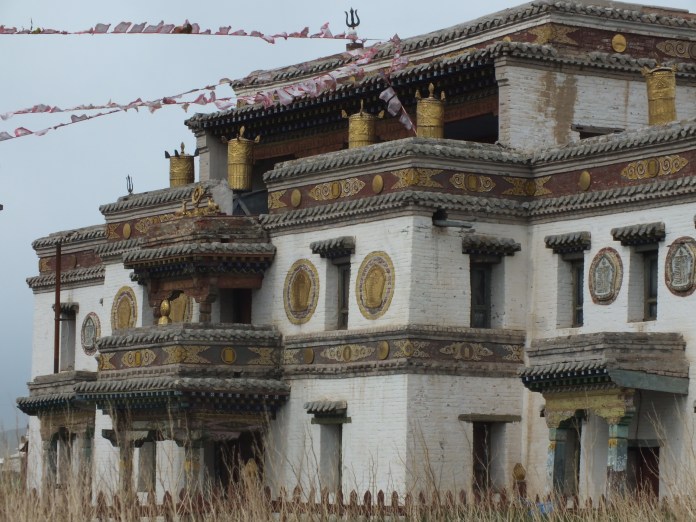
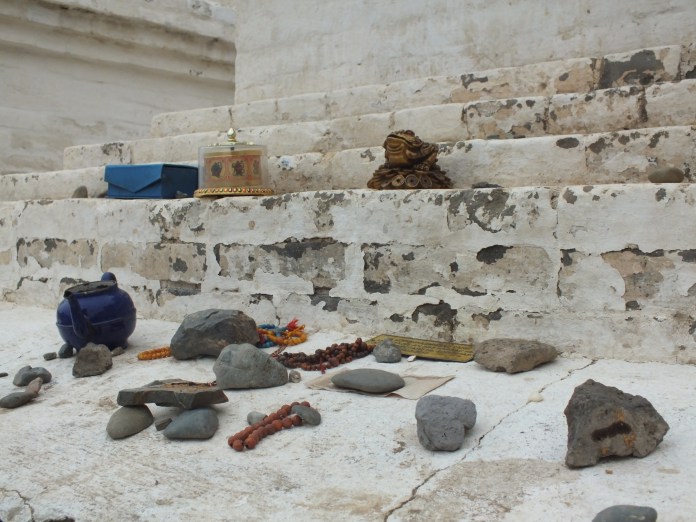
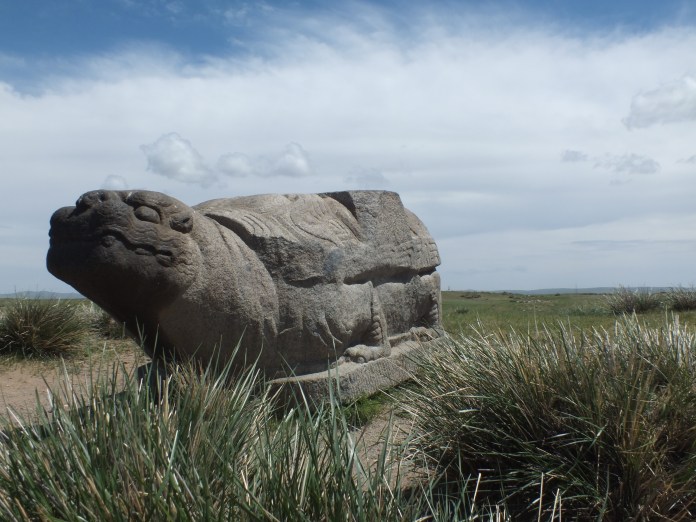
At Kharkhorin, all that can now be seen of the city that was, briefly, the capital of Mongolia is a monastery complex and some stone turtles. The wind blew hard and the prayer flags flew upwards, arching towards the sky. Inside a ger three little boy monks chanted while another monk performed a ceremony for a couple.

552016111924

I tried as unobtrusively as possible to join a tour group as the guide explained some of the statues and things in the temples (I know NOTHING about Buddhism I realise). Like the story of the only female dharmapala who killed and ate her son who was turning evil like his father, and now keeps her good son in a bag; she was chewing on her son and her horse was riding on his flayed skin – quite terrifying.

552016112525

552016111617

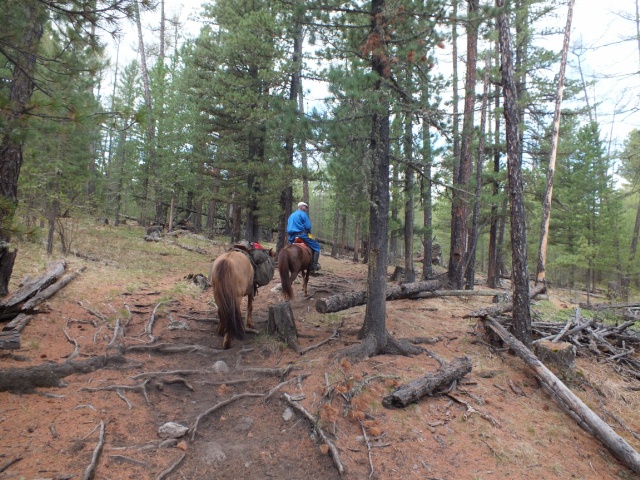
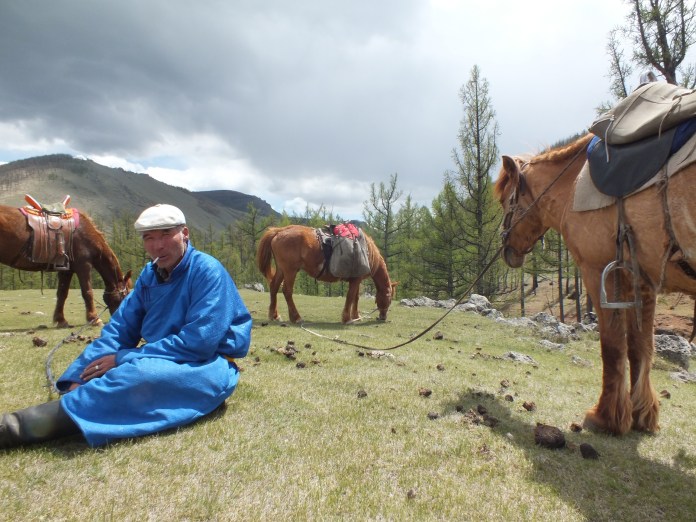
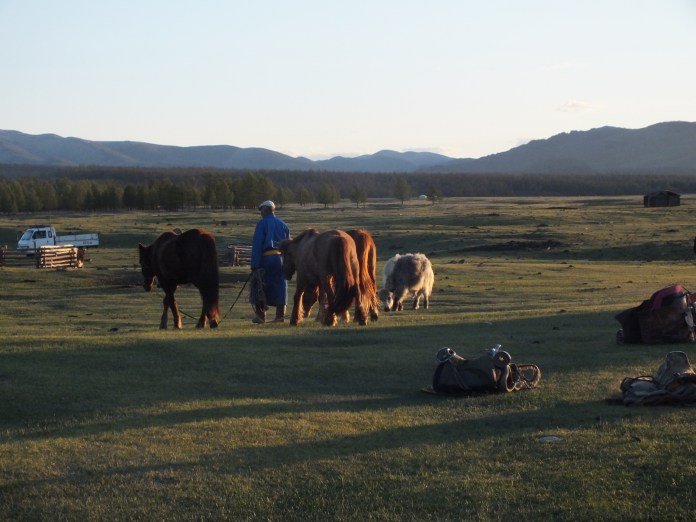
The owner of my Guesthouse arranged for me to go on a six day trip to see a waterfall and to ride to the Eight Lakes, guided by his uncle, a nomad herder, and staying with nomadic families. A very ordinary tourist activity, but no evidence of signs to accommodate tourism. Shar, my guide, knew about four words of English, and otherwise we communicated by gesture. He, along with everyone else I met on the way, wore  the traditional del – a long coat which fastens diagonally from the neck, with a colorful piece of cloth tied around the waist. He was 55 but looked about 70. The first morning we sat in his ger eating yak yoghurt and waited for him to cut up all his cigarette papers, and then we set off.

55201611841

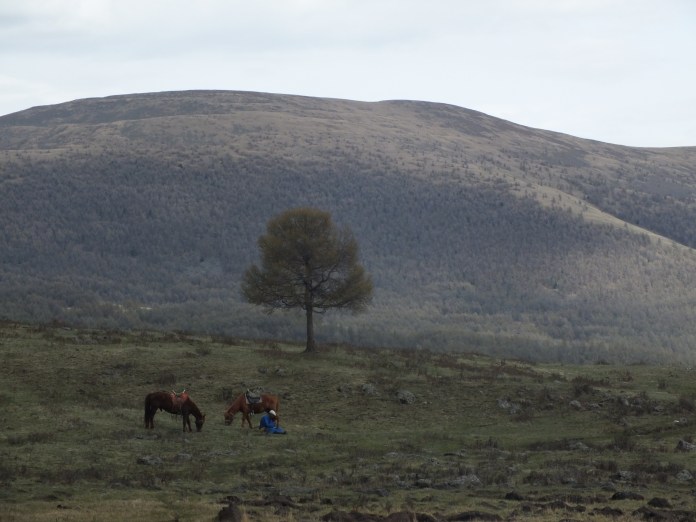
The horses did not like being tied up, and the luggage horse was particularly disgruntled at being made to carry my backpack, and he kicked and reared and neighed. But Mongolians start riding pretty much from birth, and Shar was able to control the horses effortlessly, just making a few noises and turning the horse around – it was extraordinary to watch. I didn’t have the chance to practice riding beforehand since Shar hadn’t managed to catch the horses in time, but I’d been told the only word was ‘chu’ – go. But no matter how many times or ways or pitches or volumes I said it, my horse wouldn’t budge faster than a crawl, so I spent the first day being pulled along like the incompetent tourist I was. Later, I picked up some of the nuances – choh, chhhu, cha. (Later on the return drive, I heard our driver willing the car to ‘chu’ up a steep hill). As we rode, Shar would play music on his phone, or he would sing or whistle, always the same slow, high-pitched, meandering Mongolian songs.

55201611335

552016111011

55201611222

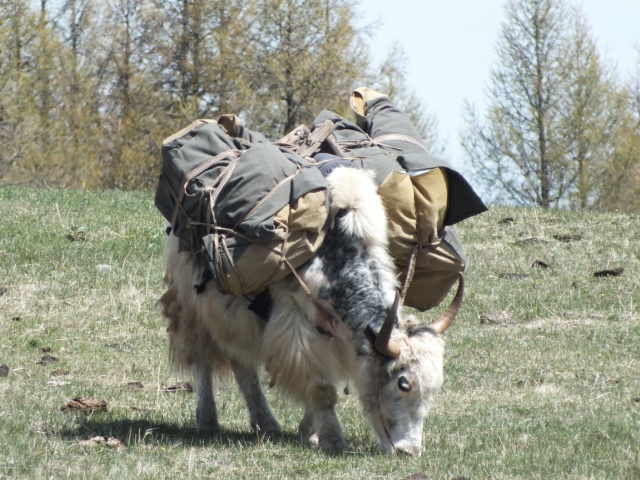
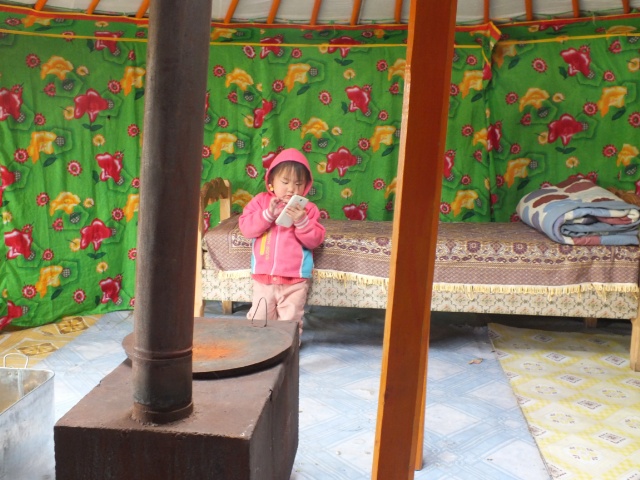
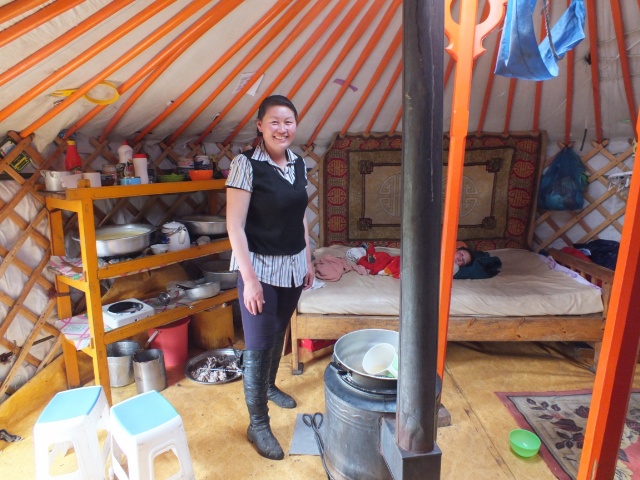
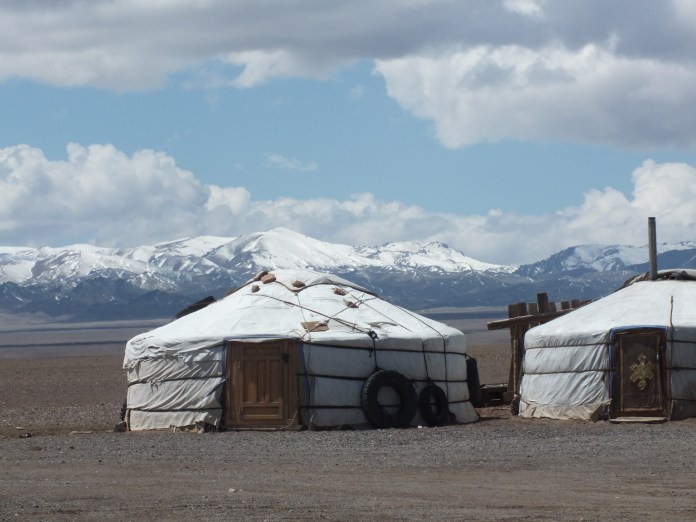
Now is the high time for moving down to the summer camp, and we saw yaks loaded with gers and their furniture. It takes about an hour to set up the summer ger. The families I stayed with and their gers were traditional, and remarkably similar. Most of the children were away at school so it was just the older ones and a few babies and toddlers. Some of the gers had wooden floors while others were built directly onto the earth, with grass coming up the sides of the plastic floor, and the holes would be sellotaped up in the evenings. There would be a shrine at the back, next to which would be a little TV and a phone tied to the ceiling.

552016104350

552016105512

When we arrived (no knocking, you just walk in and sit down), we were given bowls of salty milk tea, and a big bowl of yak cream, which was like an enormous plate of clotted cream an inch thick. You would have a teaspoon of it and pass it to your neighbour. They would then cook you a meal which would begin by getting out a dark brown shrivelled lump like a rotten carrot – dried yak – and hammering it on a stone; this was then soaked or boiled. There were only two meals: yak with rice or yak with noodles. The noodles would have to be made each meal time by kneading the dough, rolling it out, drying it on the fire and then cutting it up. There was never a table – it was all done on one of the beds.

552016105420

552016103718

On one occasion the family killed a sheep, and we were given a large basin filled with entrails and an enormous knife and dagger. Shar cut it up and passed me the warm (thankfully cooked) pieces to eat for what felt like a (not altogether unpleasant) age. I could only recognise the intestines and the heart, maybe the liver as well.

55201611756

There were large plastic barrels which I at first took to be holding water, but were in fact full of yak yoghurt. This ranged from the wonderfully mild to the almost fizzy. Never, ever, was there a vegetable or piece of fruit. I was completely stuffed the entire time as they always filled me a bowl that was twice as big as anyone else’s. Food took up a lot of time in the day.

55201611429

552016104213

Nowhere  in any of my preparatory reading did anyone mention that airag, the fermented mare’s milk for which I had specially come to Mongolia, is not made all year round. It is too cold at the moment, and all the animals are at their weakest. But I was more than happy with the yak milk. In the evening we would sit and watch the animals or watch TV. It’s a quiet life (at the moment), and every day was pretty much the same. I felt quite embarrassed to be sitting there watching them as though I had come to a zoo. I didn’t want to snap away at them, so most of my photos are of yaks and goats. But I was relieved that I had gone on my own when I saw the way some other tourists behaved on a later occasion.

55201611929

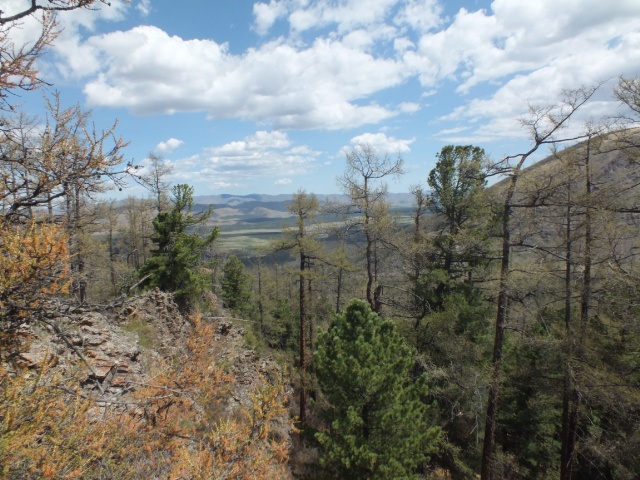
On the final day of riding we had to take a mother and baby yak to another valley. Whenever we passed a herd of yaks they would rush over, and Shar would canter off with his stick shouting ‘hoch’ (I never saw anyone gallop – perhaps because it’s the weak time of year), and I, having no control over my horse, would follow through bushes and trees, jumping over rocks. It was very funny and sweet, and by the end we just had to walk at a tired baby yak speed.

552016103840

Returning to Ulaanbaatar was dirty and unpleasant. I wanted to be back in the open, trotting across the steppe, eating dried yak and yoghurt, watching the stars from my bed as the saddles glowed in the firelight.

552016103924

552016105134

552016105817

552016105331

55201611630


Standard

Olgii to Ulaanbaatar

Most of Mongolia has no railway, so the only way to Ulaanbaatar, or anywhere, was by bus. I was told the journey would take two or three days, depending on how many times the bus broke down. Astonishingly, we didn’t break down once, and it took just under 48 hours.

552016114115

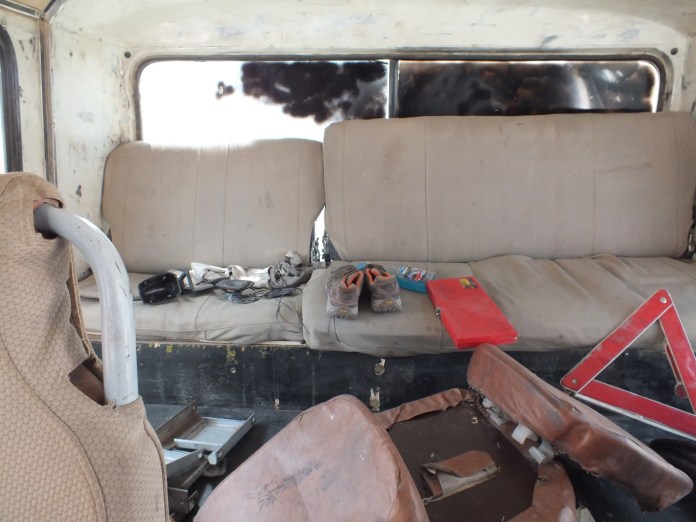
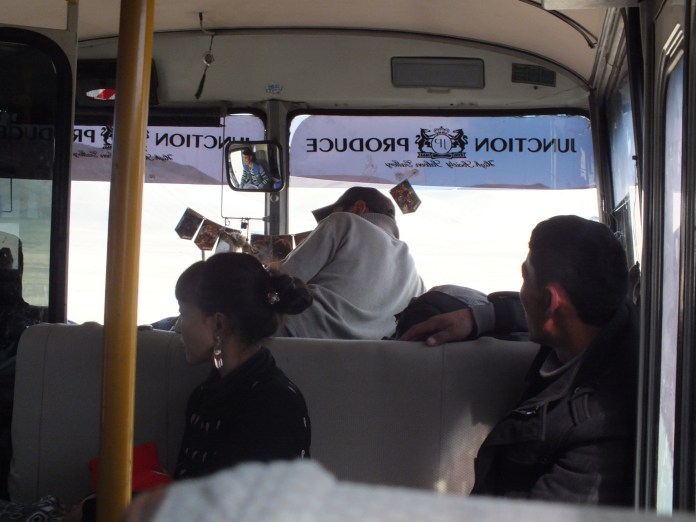
The bus looked tough. At the back seats were covered in junk, while some of the seats in the front were now just metal frames. Most of the luggage was sellotaped cardboard boxes, and everything had to go under your seat, on your lap, or in the aisle, meaning getting on and off the bus became an obstacle course. The windows were clean enough to look out through, and were lined with filthy, threadbare pink tassled curtains.

55201611584

We drove through mountains, past huge frozen rivers, enormous eagles sitting on the side of the road. The bus would randomly stop in the road (what road? more like a sandy track) for toilet breaks, and everyone would rush off, the women trying halfheartedly to find a mound of earth for some privacy.

552016115323

552016114737

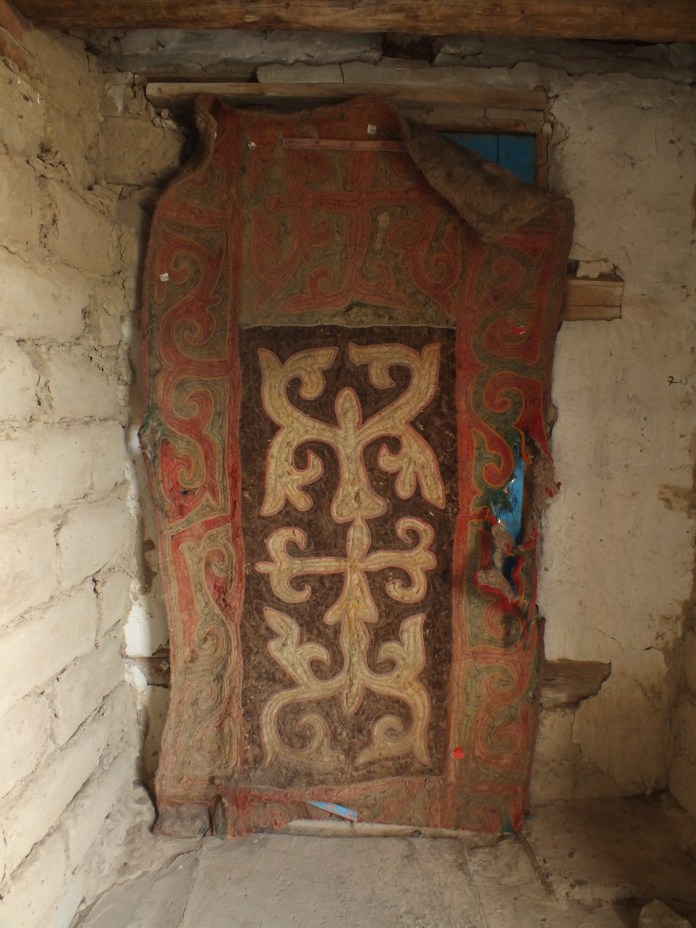
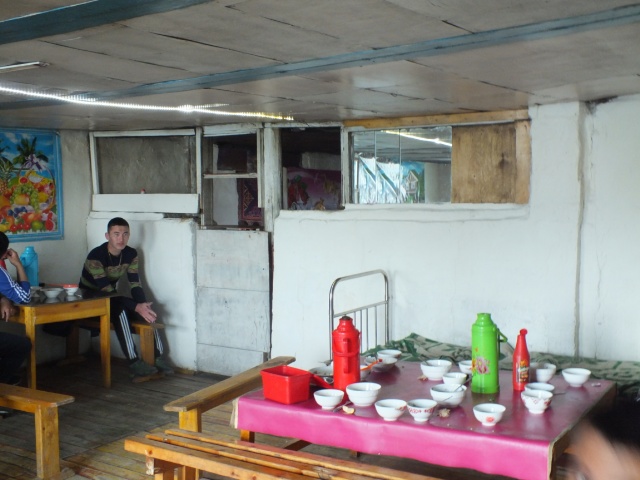
We stopped off at a cafe in the middle of nowhere (everywhere looks like the middle of nowhere though). I’d eaten so much Kazakh food I had no wish for any more, but I was summoned inside. Through a door padded thickly with a worn embroidery was a room with low beds, stools and tables around which everyone ate together. I was given more buuz.

552016114915

55201611474

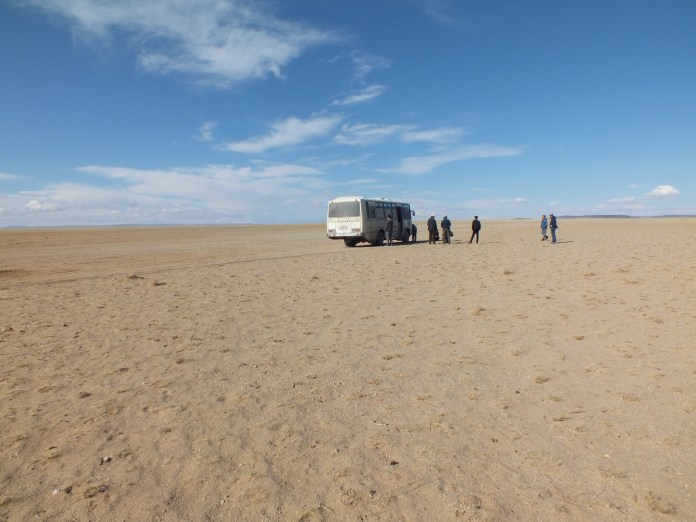
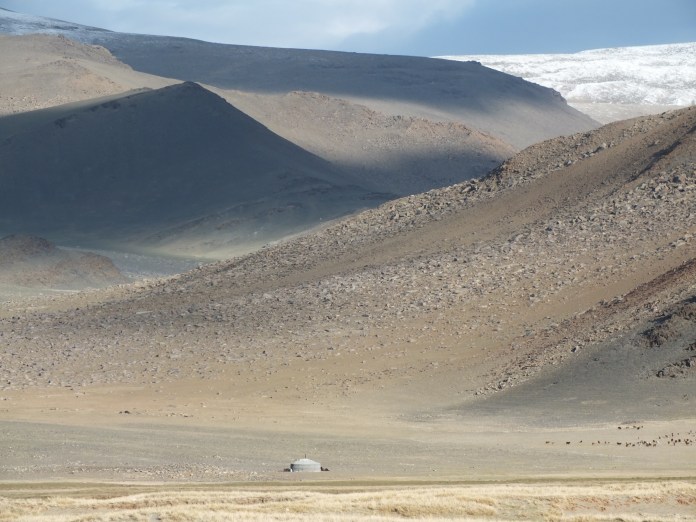
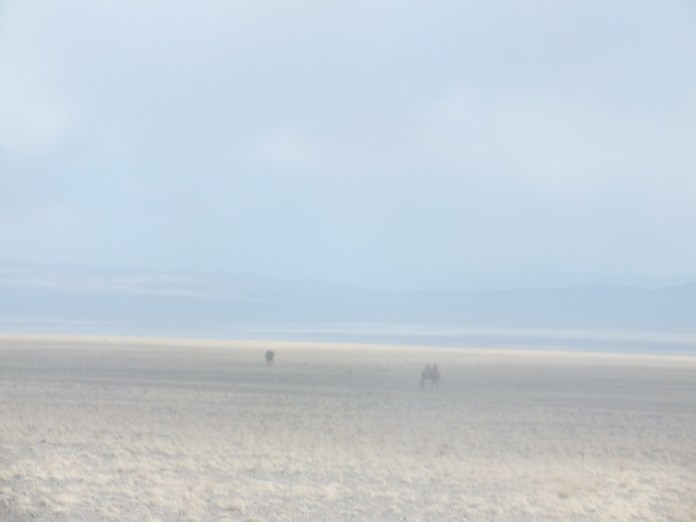
The landscape became flatter and dryer as we looped south to the Gobi desert (not of the sand dune variety). To my enormous excitement, and the whole bus’s I think, we saw lots of camels – proper two humped camels with lots and lots of dark velvety hair, and they looked surprisingly elegant. But the Gobi was so full of puddles and mud that looking through the windows became more and more difficult. So sadly this is only photo I got of the camels.

552016114244

552016114225

We stopped off at a Ger camp for lunch, and everyone disappeared into an unmarked Ger without me seeing which one they had entered. When I plucked up the courage to walk in to one, they were all sitting on low stools again, drinking milky tea.

552016114635

55201611517

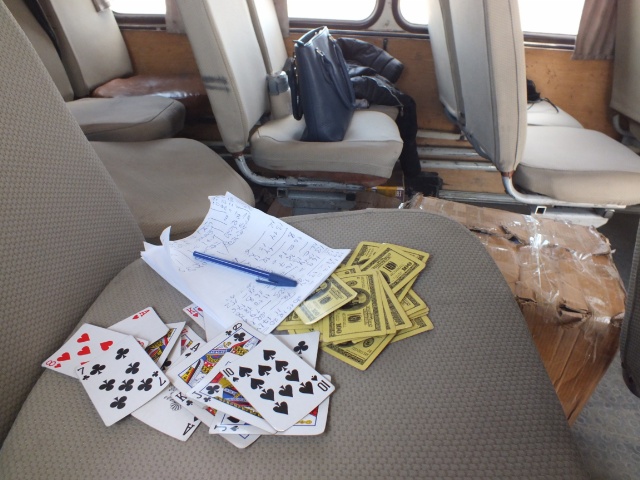
The nights were bleak and extremely cold. I could feel the wheels struggling against the sand, and the stones that flew up made it sound like it was raining. But the daylight hours were quite entertaining. A game of cards was played in the aisle on a pile of boxes, with much triumphant flourishing of hands and collecting of money. We arrived in Ulaanbaatar very dirty and smelly, but in pretty good shape.

552016114439

552016115259

I’d found a WOOFing place just outside the city in one of the ger suburbs. But since nothing really grows in Mongolia, there wasn’t much I could do. The host is a young woman who started off trading second hand cars and false jewellery, then got into property development and now rents out an apartment to tourists, and was off to Hong Kong to learn how to invest better. Her tourists were away for the night so she let me sleep and wash in the luxury apartment, on the condition that I’d never been there… I indulged myself with a bath and a supper of horse rib.

55201611389

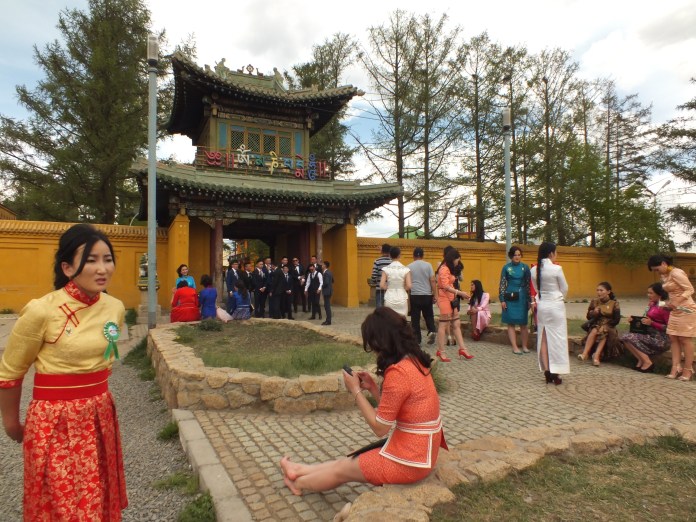
Ulaanbaatar is concrete and dirty, and seems unusual for not having a single pretty street. There are however a few old temples which survived communism. At the Ghandan Khiid monastery, there was a very jolly scene as students seemed to be celebrating their graduation. But I longed to return to the steppe.

552016113519

Standard

Russia to Mongolia

Having strayed 590 km from the Trans-Mongolian railway, I now had to cross the border in Altai. I knew it could be done, and I’d heard there was a bus – perhaps there is, but I never saw it.
4222016153421

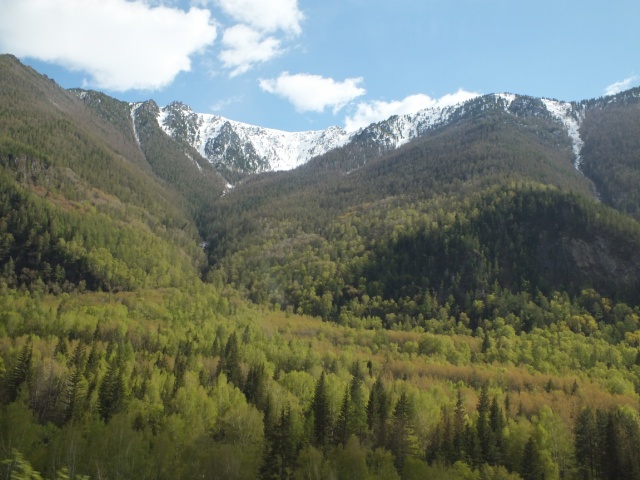
I took a shared taxi for the 460 km journey along the Chutsky Trakt from Gorno-Altaisk to Kosh Agach, a spectacular drive through snowy mountains and green valleys. My passengers were Russians, I gathered,  but they looked very turkic and I simply could not understand what they were saying. Almost as soon as we had set off, one woman got out her vodka bottle and we stopped off to open up a shop for a plastic cup. Every time she drained the glass she would crumple it in her hand, more vodka spilling down her chin than her throat. A few comments were made sniggeringly and it was a struggle to keep her from sleeping on top of other passengers, but everyone was very helpful, opening the bottle for her, stopping at a river so she could clean herself, finding a shop for more vodka.
4222016153115

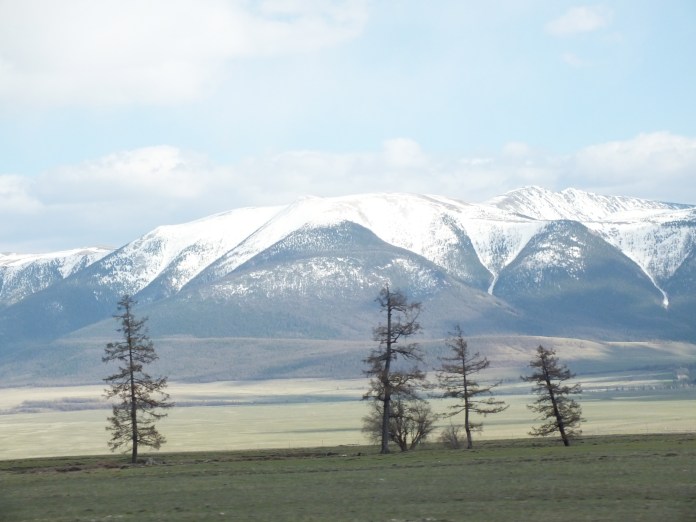
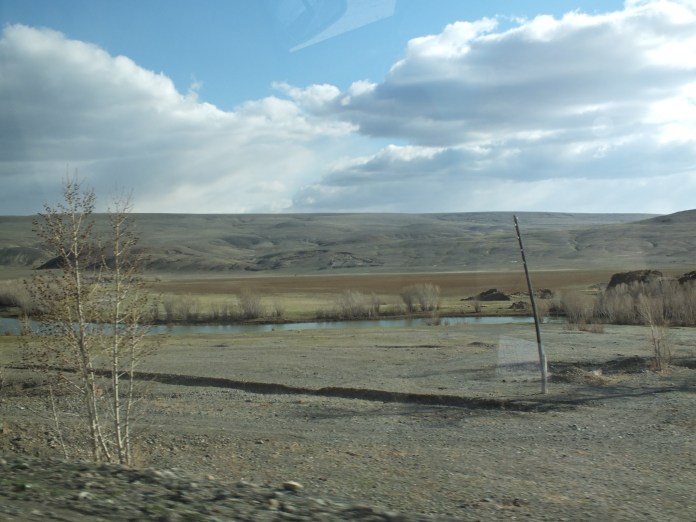
We passed the traditional hexagonal wooden houses of Altai, and more and more horses. Up we climbed through rocky passes, and then suddenly the forest and mountains stopped, everything turned brown, and we were on the plains.

4222016152928

Kosh Agach has a wild west feeling, more the end of Russia than the beginning of central Asia. The driver dropped me off at a cheap and depressing hotel (I felt very proud of myself for winning the argument over the price of a room), and I looked for a cafe for dinner. The cafes were either padlocked or their roofs had fallen in. One was open, but when I stepped inside the crowd stared and switched off the music. The cafe was closed someone said. Eventually I found somewhere with two items on the
menu.

The next morning I got up early to catch the bus, but realised it was better to hitchhike than wait for a bus that I couldn’t trust would ever come. Lots of vehicles stopped for me, but when I mentioned Tashanta, the border village, they either shook their heads vigorously or asked for absurd quantities of money. They all wanted to know if I was alone and if I was scared. The best response, I found, was to stay silent and shrug my shoulders with a very slight smile. Eventually I got a lift at a sensible price (Are you married? Why not? Do you want children?).
4222016153022

As I walked towards the border post I was stopped by two men in the road who asked for my passport and visa registration, and who told me to wait there for a car. The road was empty. Every 5 minutes or so some vehicle would come by, usually completely packed. After an hour, a man with a briefcase came over to chat and apologised for not having space for me, but gave me the name and phone number of a hotel in Olgii. A jeep stopped to tell me a Russian car was 5 minutes behind (no further explanation), but it never appeared. At last, a lorry stopped and took me through the gates.

Cars were stripped, lorries opened and jumped on, bags were searched, and everyone had to stand outside in the cold. For some reason I was allowed to remain in the lorry with the string of naked women and icons and watch everything happen. Another guard came to inspect my papers and practice his English.

Suddenly the lorry driver came running over clapping his hands and threw out my luggage, telling me to go to passport control. The woman there peered down her glasses at me and asked in another official. What was the purpose of my trip to Russia? I had a business visa and hadn’t a clue how far I was supposed to go along with this pretense. I ditheringly concocted a semi-plausible explanation about doing some work in St Petersburg (matters were complicated by my falsified visa registration claiming I’d spent a month there) and tried to explain I didn’t actually work for a business. What kind of work? I decided I could pass for an art historian doing research, but he didn’t understand. In retrospect, I should have said I was an administrator and just appealed to Russia’s noble administrative history. Where have you been in Russia? When? Who did you stay with? How did you meet them? What is the purpose of your trip to Mongolia? Where are you going after Mongolia? Do you want to come to Russia again (when? with his attitude, no!)? He whispered something about travelling to the woman – I’m sure he saw through everything – and left. Another official came in and together they went through every detail of my inviting business, and then the woman abruptly stamped and returned my passport with a beaming smile.

Back in the lorry, we were allowed to pass through into the 30km of no man’s land. It began to snow as we crawled along, the driver pointing out all the marmots running down holes. We reached a locked gate and a small sign with the Mongolian flag, and honked the horn to summon a guard to open the gate for us.  On reaching the Mongolian border point, an immigration officer came up to me (now I was just a travelling student) and showed me up a staircase dripping with icicles and gave me an immigration form, even helping to fill it in for me (and overlooking my making up a host address in Ulaanbaatar). Then after asking about London, he told me his name, gave me his phone number, and told me I could take a lift to Olgii with him when he finished work in an hour. But the entire time I couldn’t quite see beyond the tufts of black hair coming out his nostrils. At that point the man with the briefcase reappeared and had clearly made some arrangement with the lorry driver, and I followed him into a jeep. The whole border crossing took 7 hours.

55201612851

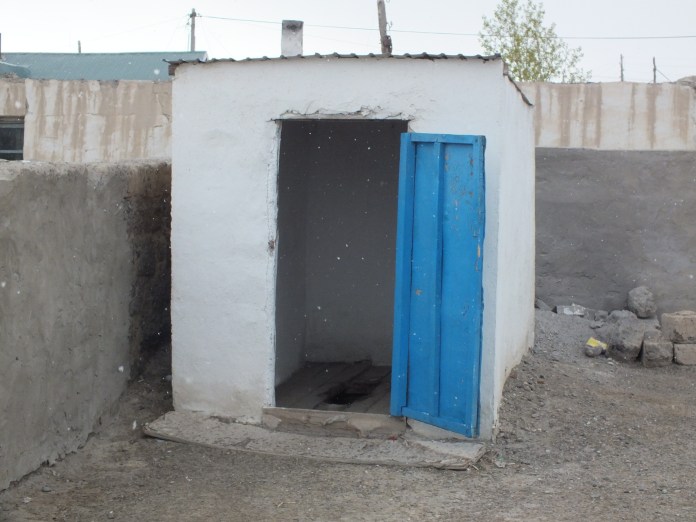
The Kazakh couple whose jeep it was drove just around the corner to a cafe for tea and buuz (steamed mutton dumplings). Out of a hatch leant a lady in a bright blue plastic hat, and they were all extremely friendly. But unable to take part in any meaningful conversation, I went outside to the toilet (a wooden floor with a plank missing – not even a nicely shaped hole! How luxurious Russian toilets were) and then chased a little girl around the car.  The ladies in the cafe refused any payment.
55201612828

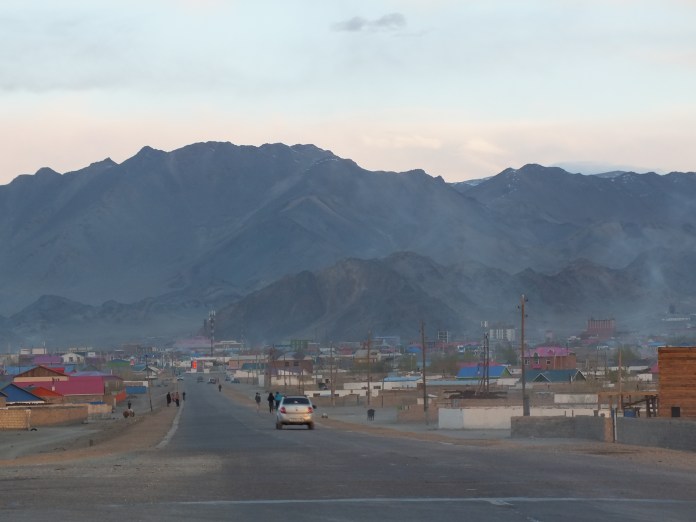
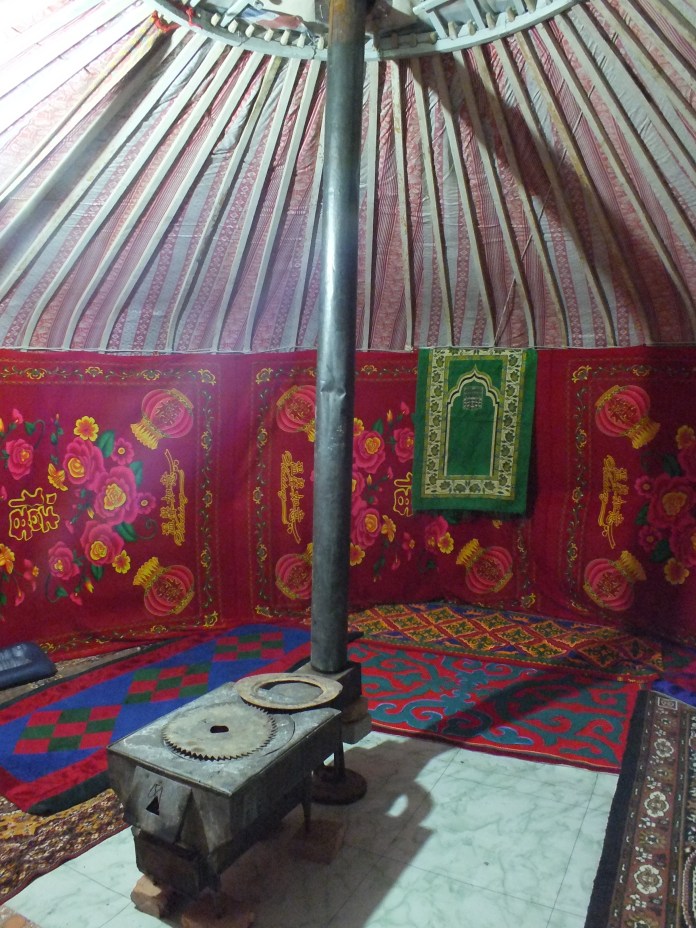
We arrived in Olgii late in the evening and I was passed to another car waiting on the road, inside which was a carefully manicured young woman with beautiful English. We drove off down a side street and turned into a courtyard with a ger and a flat-roofed, single storey, white, concrete house. They accepted my Roubles, and I was taken into the ger (just a tourist ger) for milky tea. Around midnight, another plate of buuz appeared.
55201612751

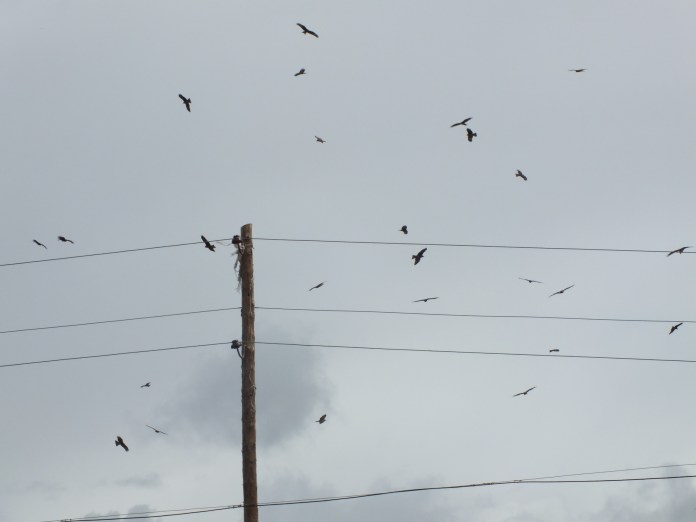
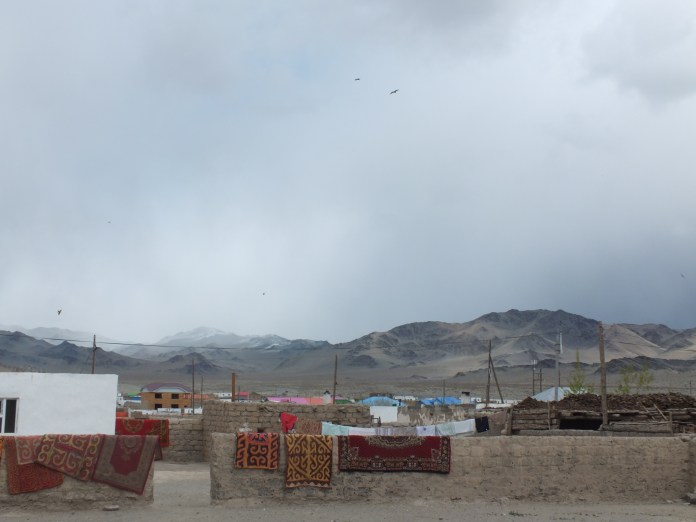
I spent two nights in Olgii with this Kazakh family. My attempts at getting them to teach me Mongolian were useless – the guidebook describes this region as the best preserved area of Kazakh culture. They spoke Kazakh, ate Kazakh food, taught Kazakh at school, went to the mosque, shopped at the bazaar, which sells everything from ger fabric to chewing gum, kept themselves clean and took off their shoes indoors.  Cows wandered the streets and alleyways, a car drove past with a dead sheep tied to the back, a herd of horses was driven through the centre. The sky was full of eagles: this is the home of eagle hunting, though I didn’t get to see any. Every time I walked through the streets people would stare and shout ‘hello!’ or ‘I love you!’. On the roofs of the houses lay piles of drying dung.
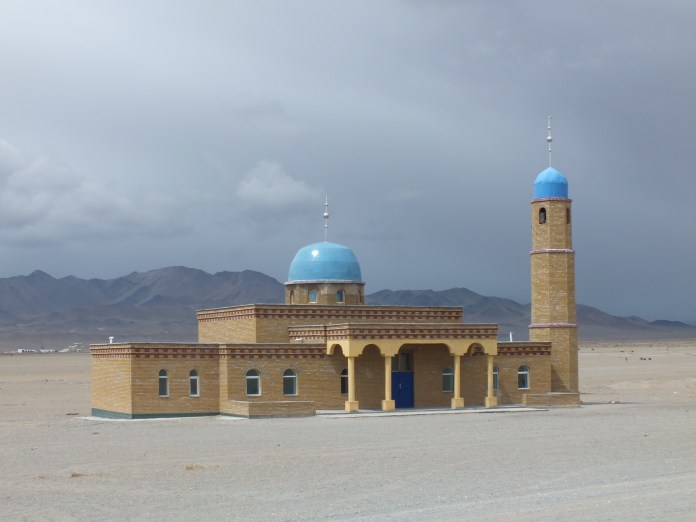
55201612634

55201612541

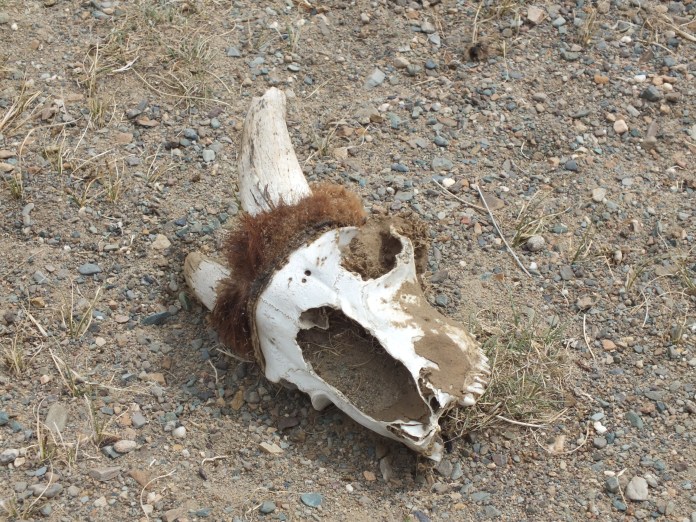
A short walk along the main road took me onto the steppe for the first time. It was littered with animal bones and plastic bottles.
5520161244

It continued to snow and I sat inside with the Russian man with a briefcase, eating the extraordinarily tasty soft creamy butter. He had two tonnes of Altai honey stuck at the Russian border, and we waited out the snow together.
55201612238

5520161230

552016115952

55201612131

55201612714


Standard