Everyone says how hard it is to get train tickets from Ulaanbaatar to Beijing, so I did it the local way – and for a third of the cost.
No one will touch the Mongolian Turghrik outside Mongolia and even I can spot the fake notes. There were chaotic scenes at the train station as people exchanged bundles of notes on a scale I’ve only seen in gangster films. They were all going shopping in China, and my neighbour proudly (but I suspect wrongly) boasted that this was the longest passenger train in the world. I reached the Mongolian border the next morning and took a jeep across the checkpoint (for some reason it always has to be a jeep – it looked like an antique jeep showroom).
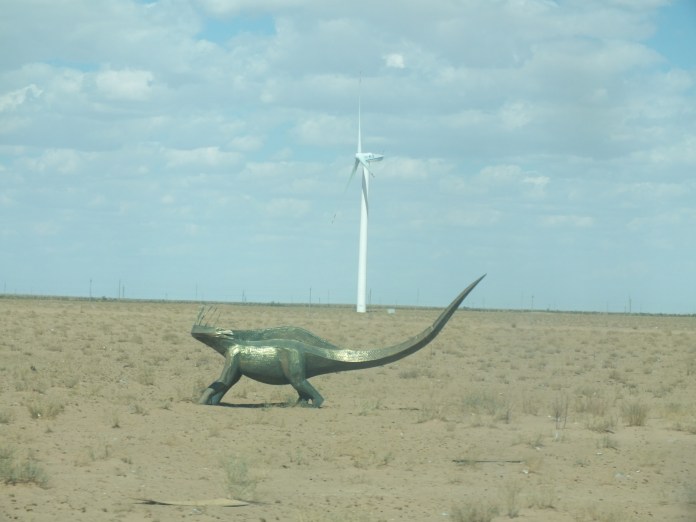
And then I arrived in Inner Mongolia. The landscape was identical, but it was completely different. The Chinese had managed to grow trees and plants, they had tarmac roads and had put up fences. But they also wrote using the old Mongolian script rather than in Cyrillic. And they had scattered the desert with metal dinosaurs.
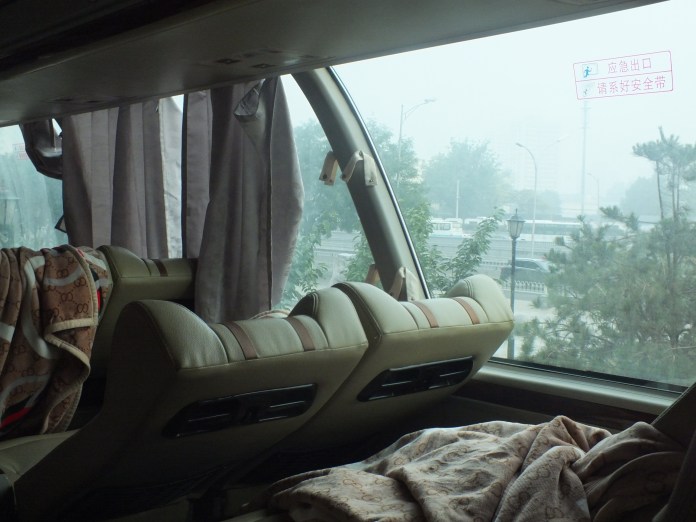
I took an overnight bus run by the Peaceful Passenger Company and woke up in Beijing at 5.30, covered in mosquito bites, to find the bus deserted. It was hot and, outside, through a white smog, I could make out skyscrapers; middle-aged women went by in lycra power-walking their dogs. For a while I wondered how to get off the bus, but someone appeared and showed me a map, and I set off into China!

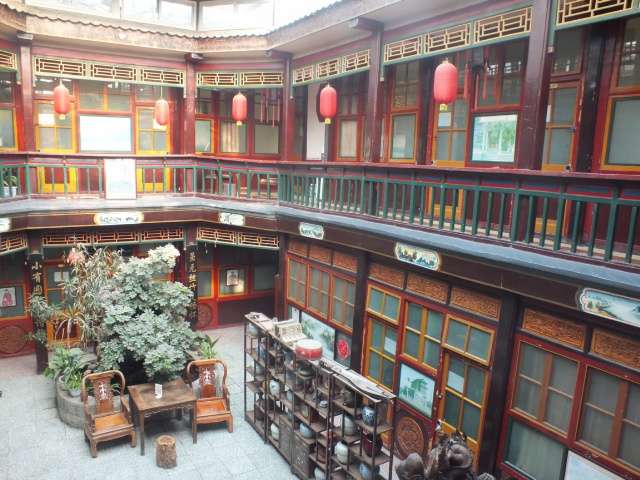
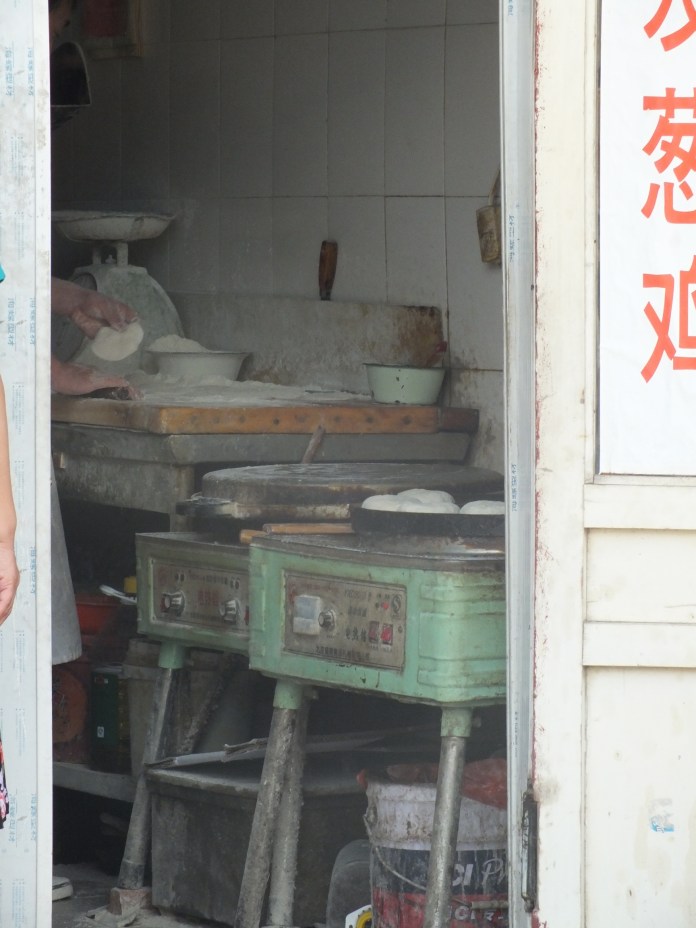
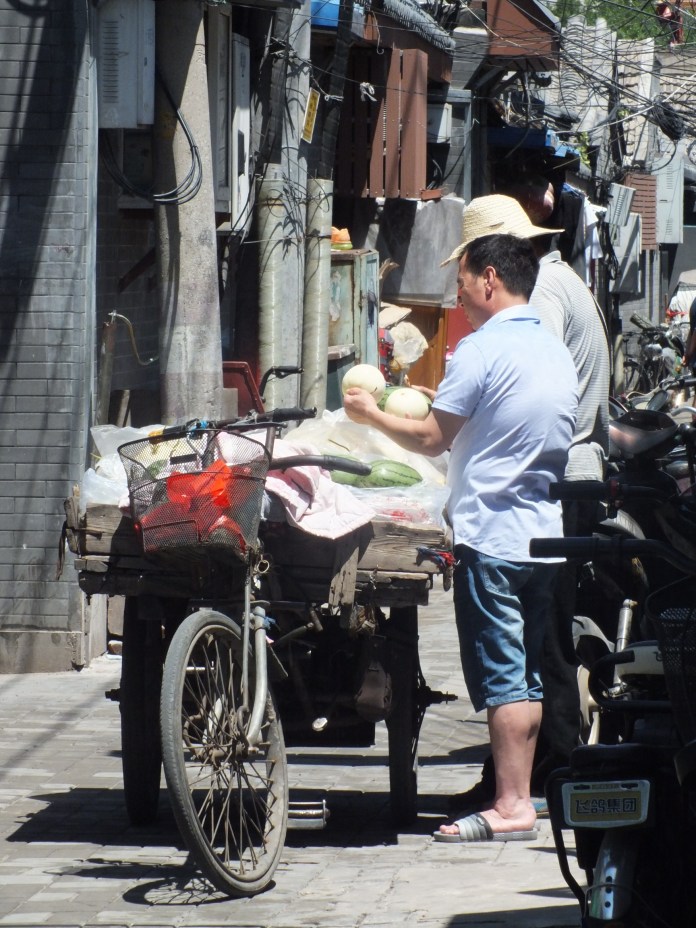
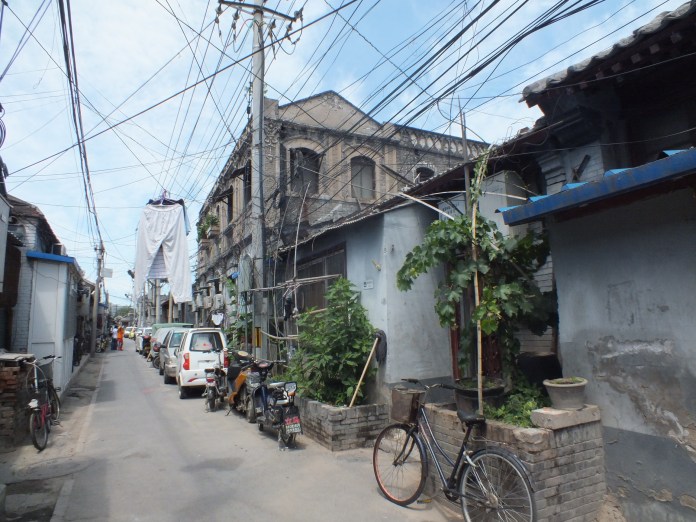
It was sunny but I couldn’t see the sun, and it looked misty although there were clear shadows. Rickshaws (trishaws, I should call them) rushed past pulling people and food, the trees were all in leaf, the subway was clean, efficient and in English. In the streets people stood cooking and steaming dumplings while families sat eating breakfast together. The hutongs, the narrow alleys, were just wide enough for a car, but were filled with flower pots and piles of bicycles; bikes would honk their way through the crowds. And there was fruit! Masses of melons, peaches, mangosteens, durian, cherries, lychees. My hostel was a small courtyard hidden away amongst this, with a fountain and goldfish pool, a large wooden dragon, and shelves of china bowls; overlooking everything hung a large faded portrait of Mao.

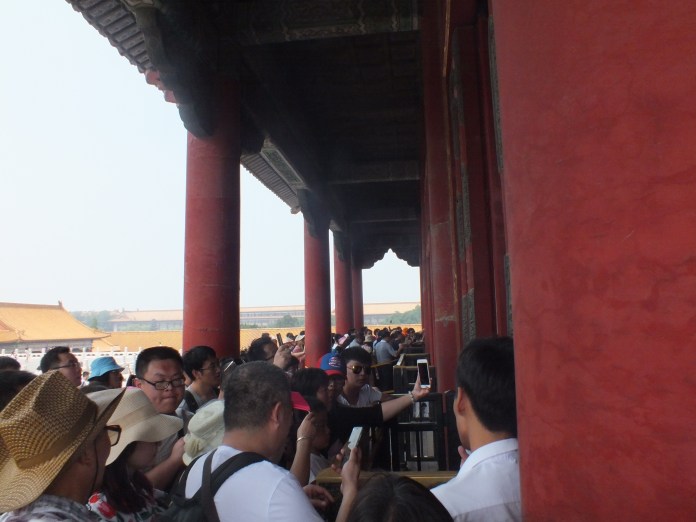
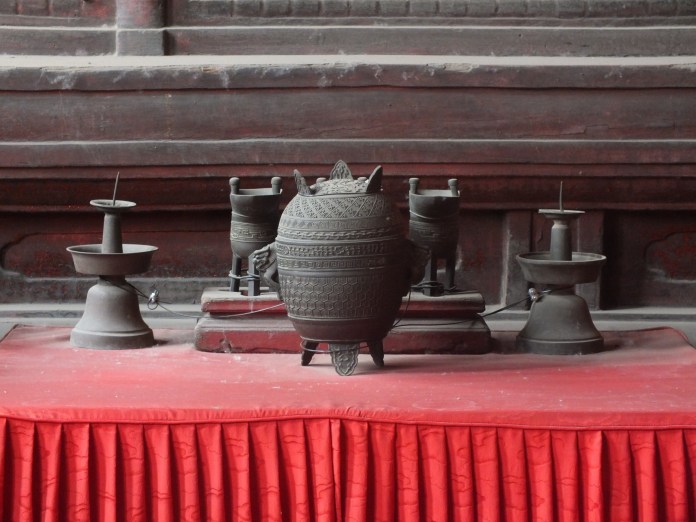
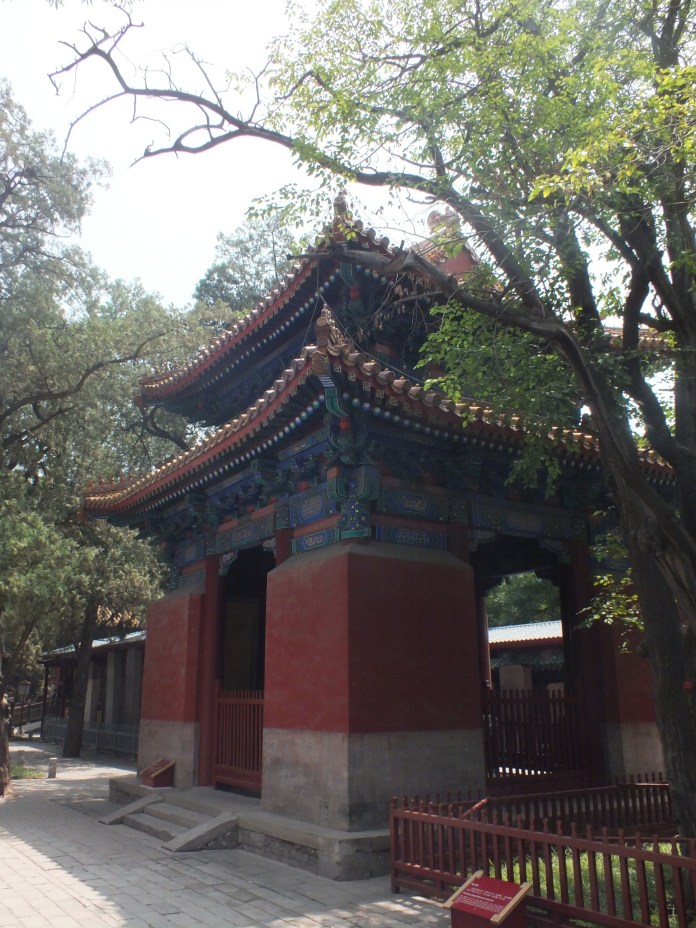
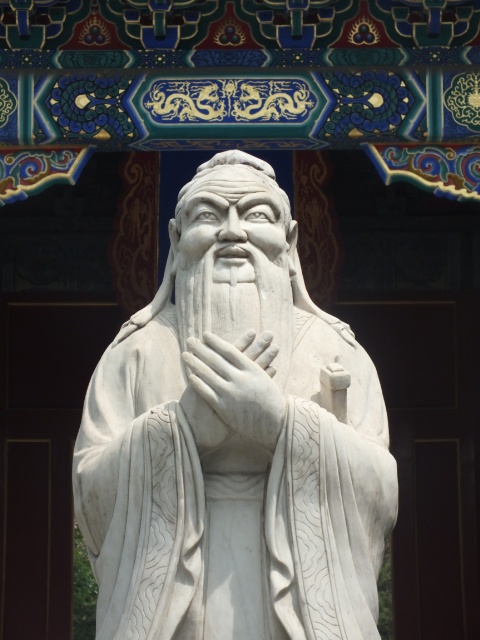
I decided that in China, of all places, it was acceptable to look like a tourist. I visited the Buddhist Lama temple with its heavy fog of incense, the temple of Confucius with its ancient cypress trees, the drum and bell towers, and the Forbidden City, which was so full of people there wasn’t much else to see.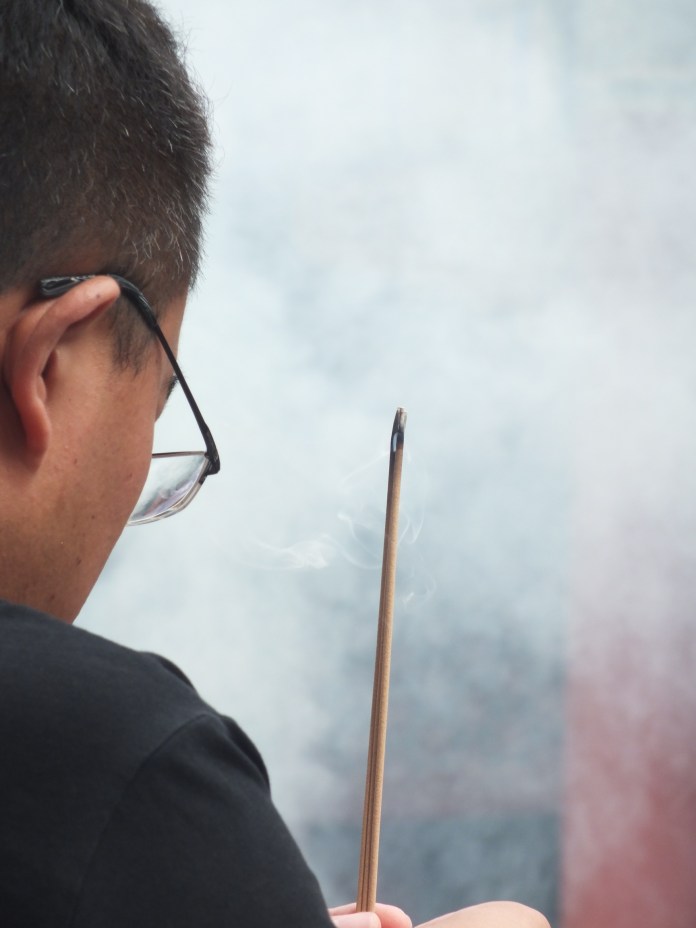
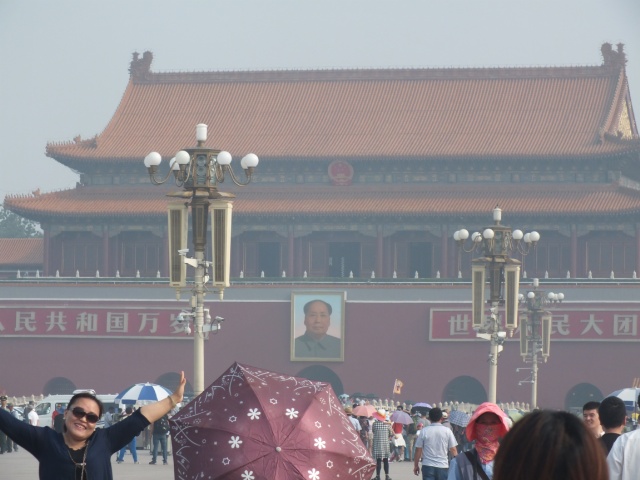
Then I plucked up the courage to visit Mao (since Lenin hadn’t been available). I queued up with the masses of sombre Chinese and we were hurried along by teenage volunteers. People bought yellow flowers along the way and once we had walked up into the first room, they held up the flowers above their heads and bowed towards the statue of Mao, and then added them to the mountain of yellow flowers, just like they had offered incense to Buddha. The man himself was large with a round belly and a gaping mouth. I had a headache for the rest of the day.
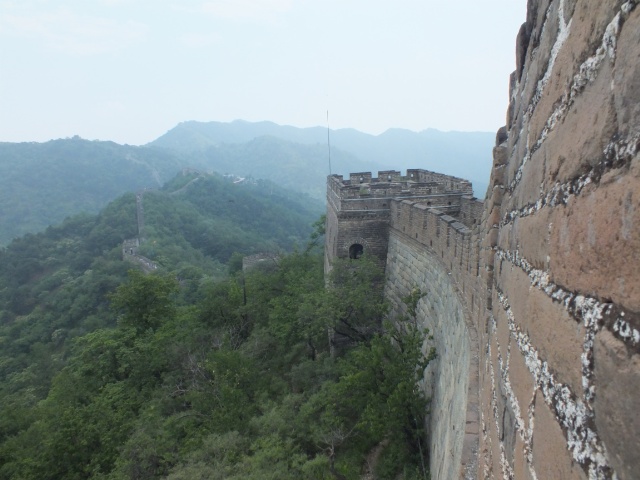
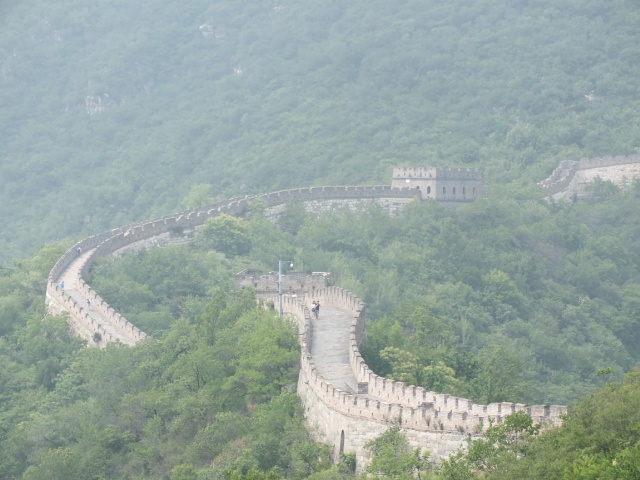
The next day I went to the Great Wall and fell for a taxi scam – it had to happen at some point I suppose. It was so hot I instantly sweated off all my suncream and by the time I’d climbed to the top I was plum purple. But the views made up for everything. It was perfect: thick green forested mountains, fruit trees, cool watchtowers and the great long undulating walI.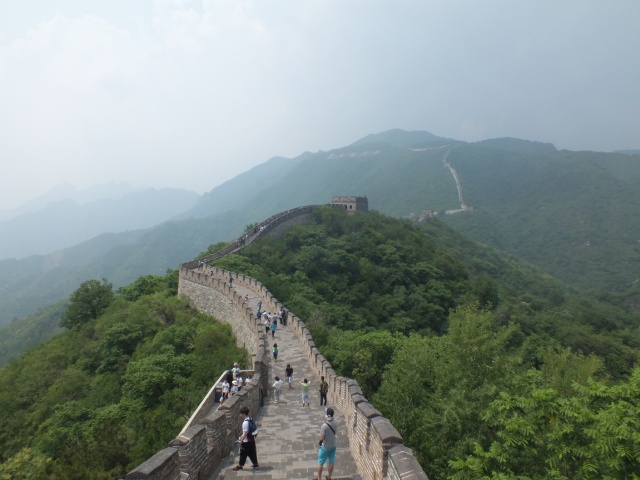
I spent Saturday relaxing in the park along with most people in Beijing. Pekinese and poodles appeared fresh from the salons with ribbons in their fur, and a girl came up and said, in very faltering English, she’d like to be friends with me. We tried to have a conversation but didn’t really manage, so went and hung out in the fitness park instead.


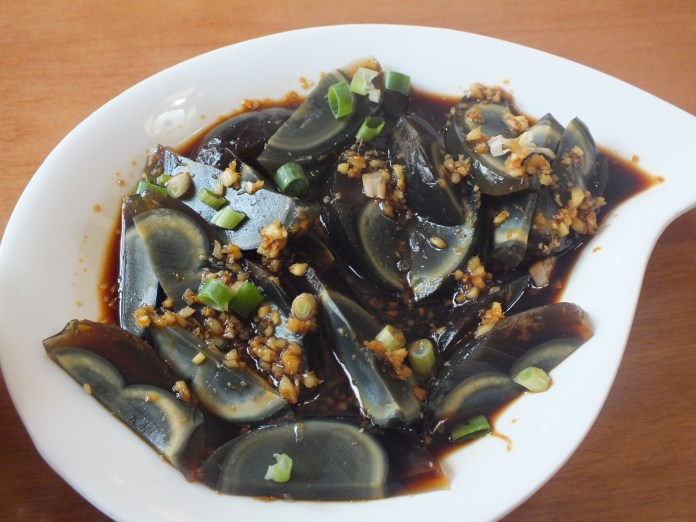
Against all expectations, I loved Beijing. Barring one revolting tofu breakfast, the food was delicious, the streets were always colourful and full of activity, and although it was mostly smoggy, the streets were pleasant and lined with trees, and most of the back streets were car-free. But after a few days I was getting really tired of having to show my passport everywhere, having my bag x-rayed and my water bottle scanned every time I went on the subway or to a public building. The fences on every main street, controlling everthing and stopping you walking in perfectly reasonable places, irritated me, as did the paternalistic messages. And no one seemed at all put out or annoyed.

I also discovered how much I depend on Google: no gmail, no Google maps, no easy search. There are standard (albeit illegal) ways to overcome this, but I was a technological failure. Life was very tough. Even this blog was banned. I spent some time reading articles on Chinese dissidents to see how far I could get before being blocked: not very far, but, in English at least, further than I’d imagined.

I barely saw anything of the city, but it was wonderfully strange and beautiful. I arrived with a basic grasp of Chinese history, but it was as though suddenly an entirely new culture had opened up.


 Km. 0
Km. 0 