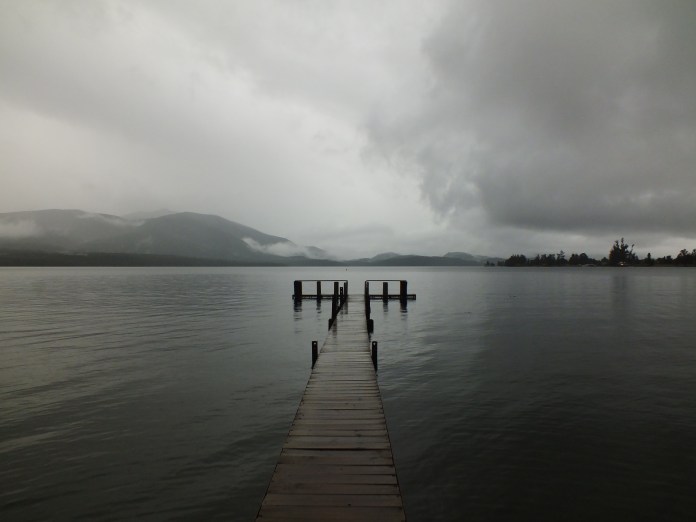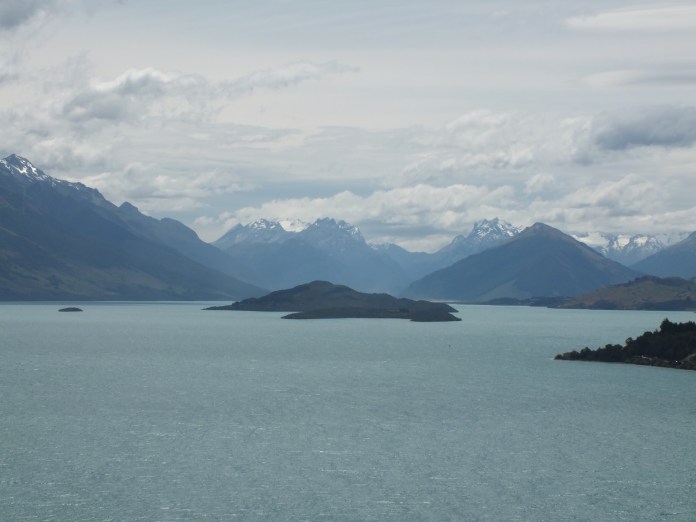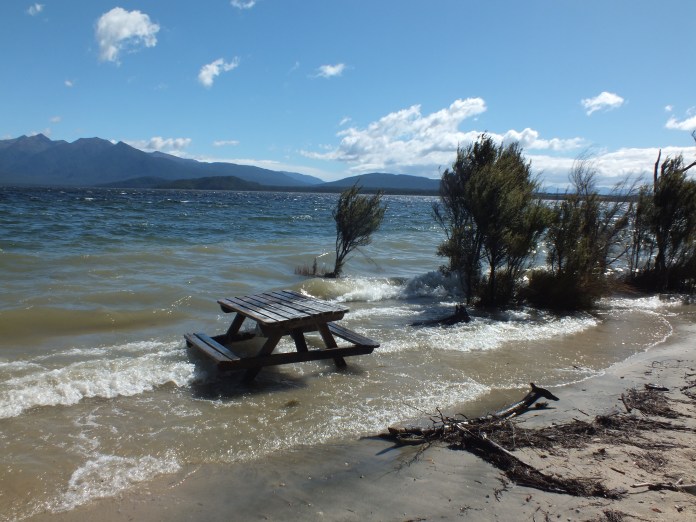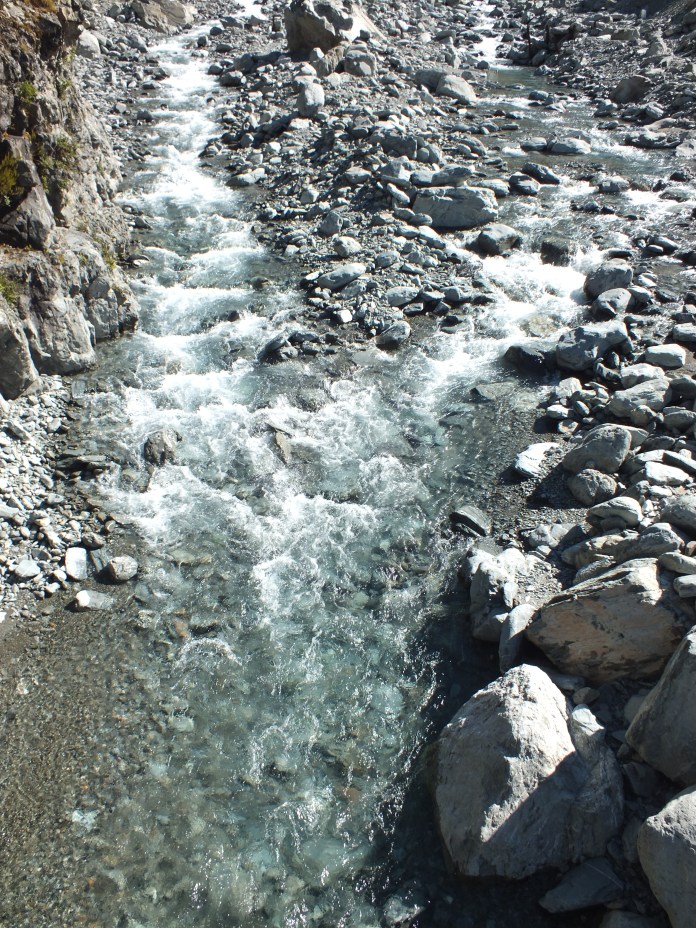
Fiordland and the West Coast

dscf1533

Hitchiking is famously easy in New Zealand, but it’s also a competitive sport since there are so many people doing it. Luckily there are enough friendly people to pick us up. Nearly all of my lifts have been from tourists, which is slightly disappointing, but good for photo stops. I’ve had lifts from a Chinese couple who couldn’t speak English and would stop in the middle of the road to photograph sheep, young working-holidayers who wanted to tick off ‘picking up hitchikers’ from their bucket list, two Czechs whom I bumped into five times, a German who talked about EU politics incessantly (fifth item lost: one earring), a Californian ‘hippy-redneck’, and so many others in between.
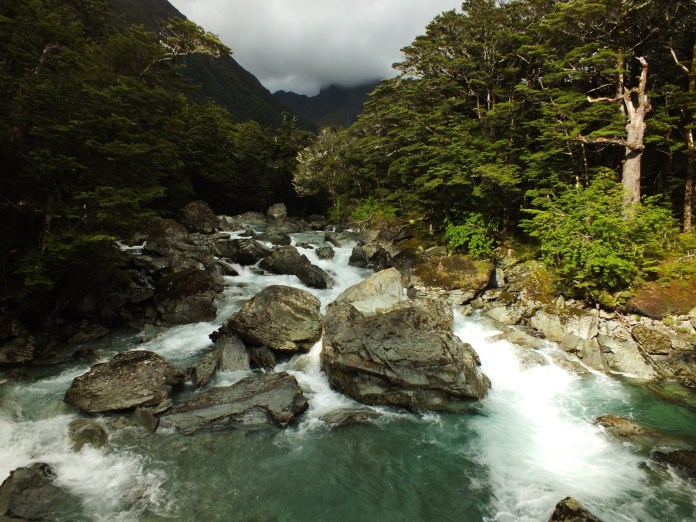
dscf1498

Hiking here is known as tramping, and what a tramp I’ve become, camping for weeks without a shower or clean clothes (I’m surprised anyone still gives me a lift). Everything is so expensive that when a German giving me a lift offered to let me sleep in his car (we’d already spent two days together – he wasn’t a total stranger), I was very happy to lie across the front seats. That simple act of generosity, however, had infuriating consequences. I’d thought we were sleeping by the public toilets so, disgusted by their smell, I took my boots off and put them under the car. But we were actually going to sleep somewhere less obvious, and so drove off… leaving the boots behind, of course. The following morning the boots were gone. Those lovely comfy brown hiking boots that have been the affectionate subject of so many photos. I wandered around barefoot in the rain, asking every person and vehicle I saw, going into every motel and backpackers and campground, but still NO BOOTS!!! Sixth item lost (this one was hilarious, but hurt).

As we drove the 60km to the next town I wondered if I really needed shoes in my life. This journey was supposed to change me: maybe I could now be one with nature, my connection with Mother Earth pure and direct. It would be much healthier, and I might even turn into a Hobbit. But there was the good old voice of German reason next to me (are you eating enough vitamins to stay healthy?). Finally arriving in Westport, I bought a new pair of boots (pale blue, so now I look a total dork) and was, in fact, absolutely delighted to be well shod once more.

It felt like a turning point. I have reached a low, and could go no further. I, Iona, am a tramp no more.
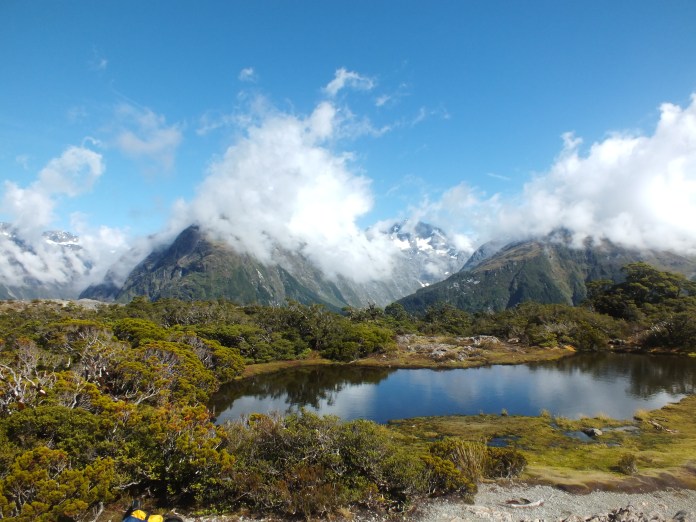
dscf1728

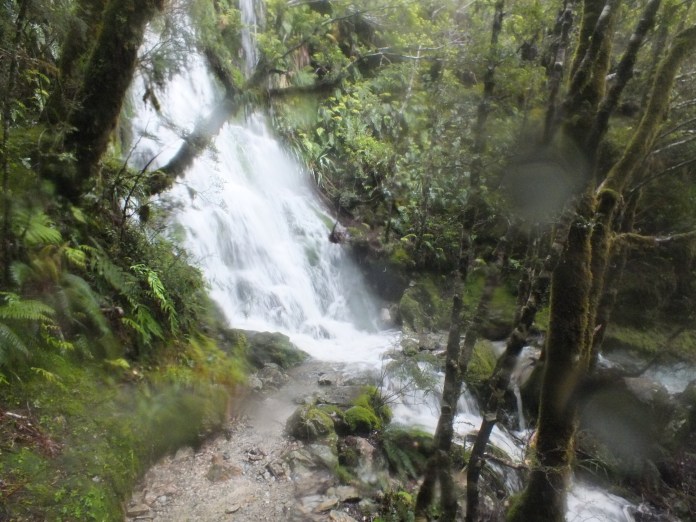
But I’m really enjoying tramping. I did one of the official ‘Great Walks’, the Routeburn, a three day alpine trek. The weather got more and more abysmal. By the last day, soaked to the bone with nowhere to spend the night, I was cursing all kiwis and wishing the rain would turn their already fuddled brains to mush, and thinking how New Zealand really was the arse of the world. The mountainside had turned into a continuous series of waterfalls which was feeling increasingly dangerous. A marked flood detour had become swamped and to get back to the track I had to clamber up the waterfall. Definitely exciting and one of the highlights of the walk, but tense.
dscf1708

I reached a hut and tried to dry myself. There was a group of people on a guided walk. What ponces. Their huts have sofas, en suite bathrooms, kitchens and spas. All they have to carry is their lunch. Every time I saw one of their luxury huts I just stopped and gaped and gazed in envy. It really felt like we were the lowest of the low next to them. But we all expressed our moral and physical superiority, and as we huddled around the stove we tried to convince ourselves that our experience was the more authentic. In doing so, I befriended an On the Road-reading Trump-refugee from Colorado who, in a moment of boredom in his tent two days before (having failed to bring any entertainment), had eaten all his food and was now starving. I gave him some oats, but nothing else. He had to learn his lesson.

dscf1491

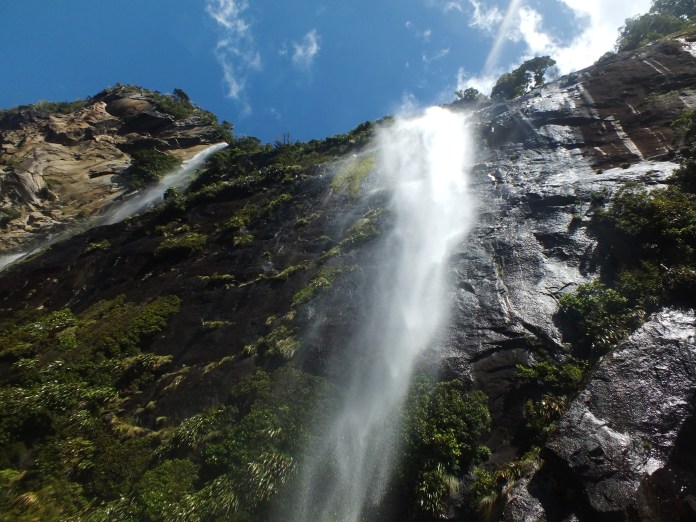
The weather improved. In the sunshine, everything is forgiven and forgotten, and it is heaven again. I hitched to the Milford Sound with my favourite Czechs (they just happened to be passing, and just happened to be going on the same boat trip – says something about how original my itinerary is). It was ridiculously overcrowded and buzzing with helicopters, but still really lovely: a fiord with mountains and waterfalls everywhere, and dolphins swimming and jumping alongside us.
dscf1740

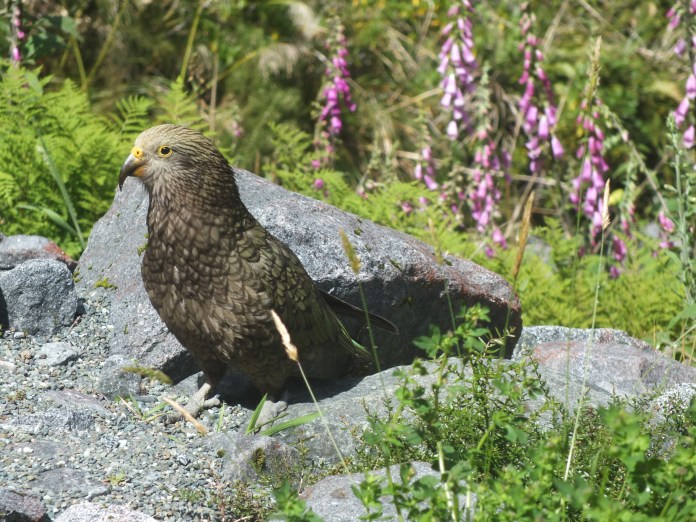
On the way back we stopped to watch keas, the only alpine parrots in the world. They are extremely friendly, inquisitive and intelligent, and you can even play with them. But because they are so endangered and tourists feed them, they do whatever they like. They enjoy eating rubber (and asphalt, apparently), and so they will jump on or inside cars and start attacking aerials, tyres, window frames and anything else. And all the owners, or usually hirers, can do is watch!

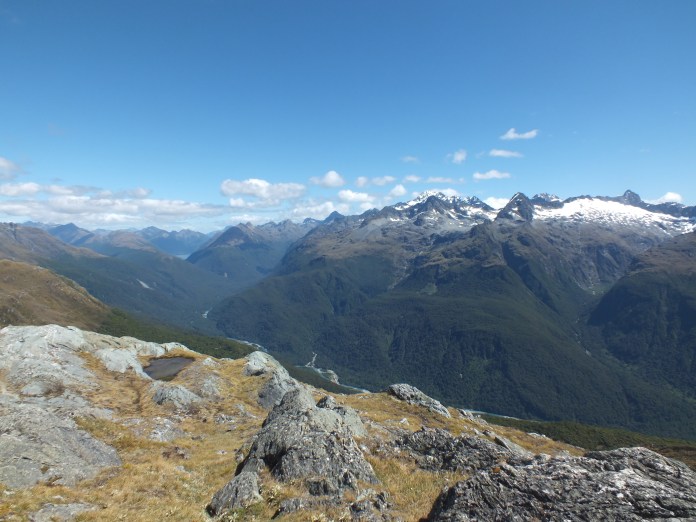
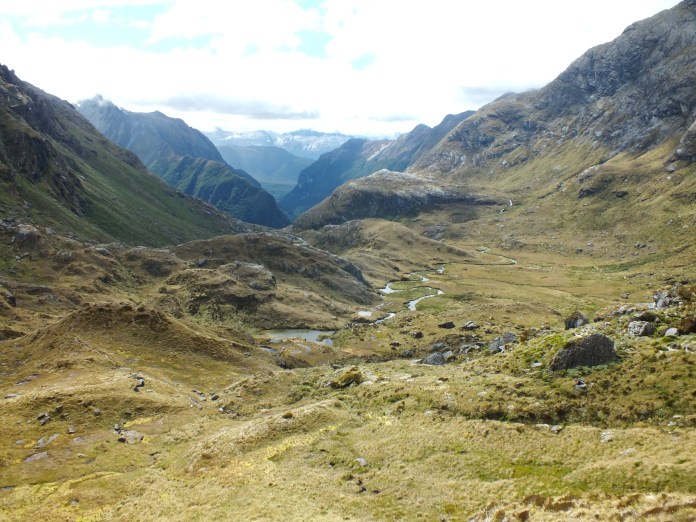
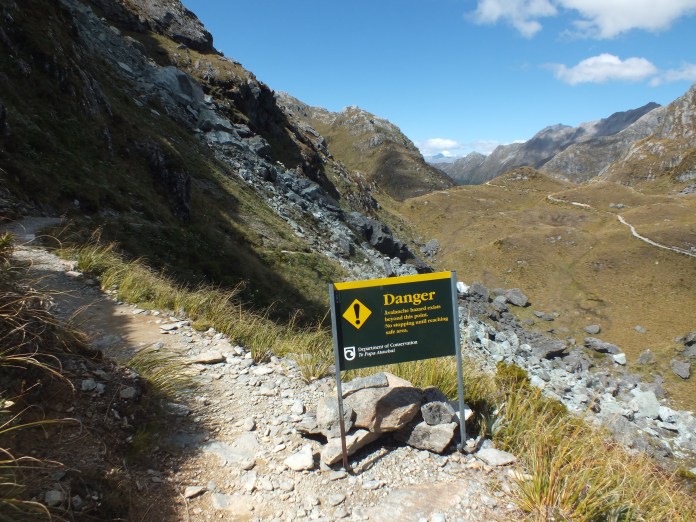
The following day the weather was even better. Still feeling annoyed at having missed the famous views of the Routeburn, I decided to turn back and do the whole walk in a day. It was 12 hours of walking (with pack) and I was quite hysterical by the end, but the views over the Southern Alps were totally worth it.

The view that first time round looked like this:
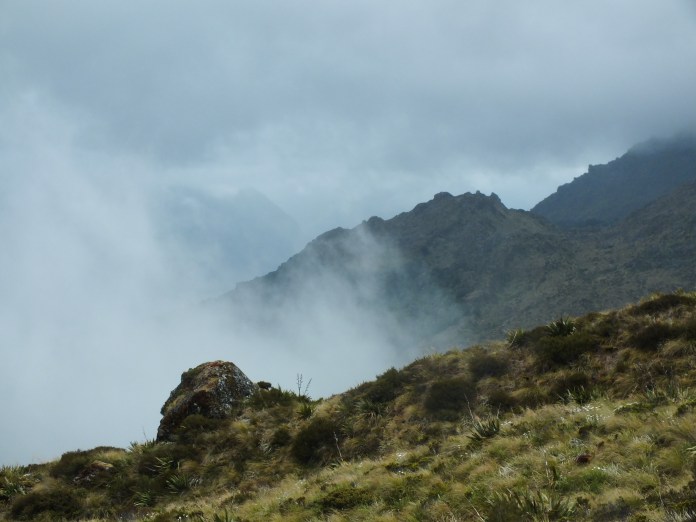
dscf1664

turned into this view:

dscf1939

Amazingly, at the end I managed to find a lift to a campsite. Three very blond Swedish girls then suddenly appeared and offered me dinner – it was like a miraculous angelic appearance, exactly what I needed, since all my matches were wet and my stove wouldn’t work. They were in Queenstown for the usual extreme adventure reasons. They each had their own challenge: one was going bungee jumping, one was getting a tattoo, and one was going on a date.
dscf1758

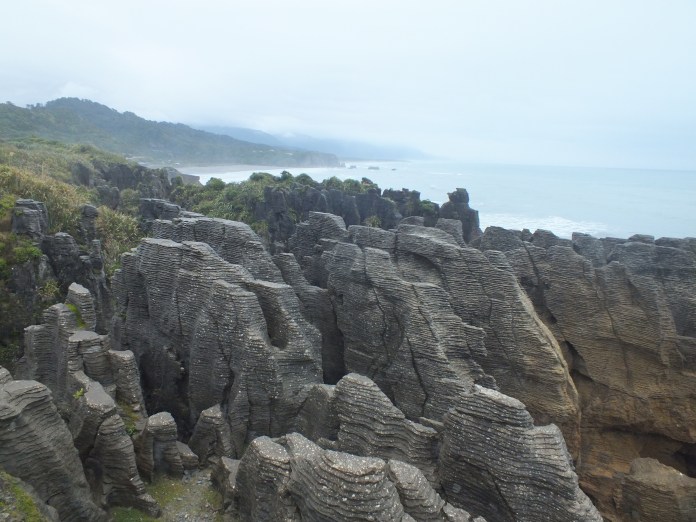
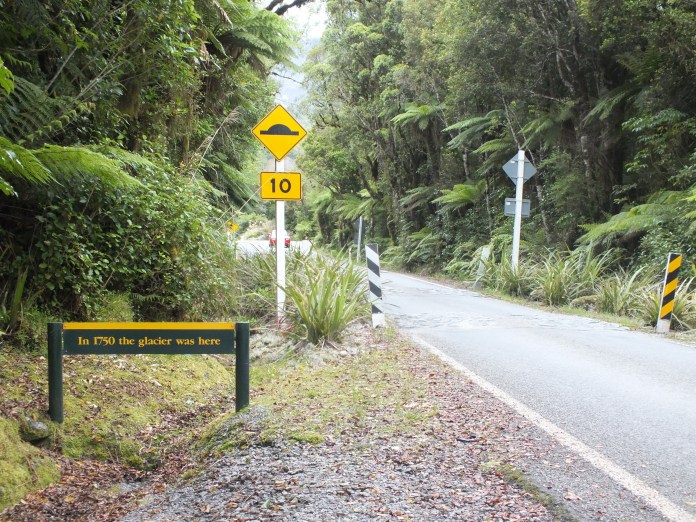
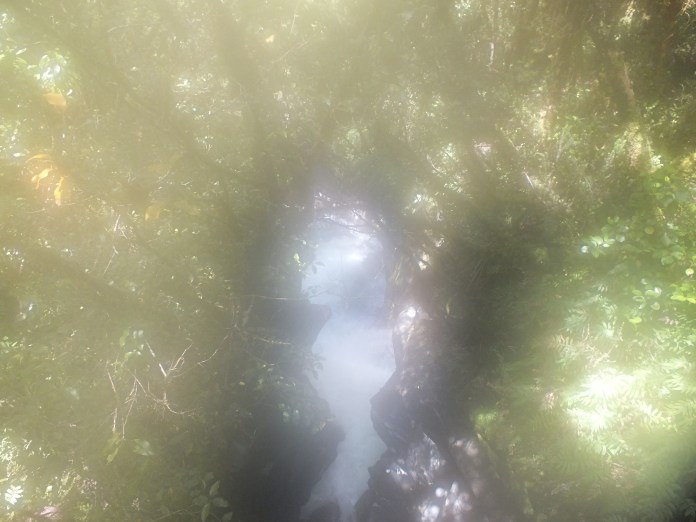
Carrying on along the West Coast I encountered weather, weather, weather. Rain, cloud, mist, wind, sun(burn), ice, rain, rain, rain. I went in search of glaciers (glayshers I should say) and passed depressing signs like ‘In 1750 the glacier was here’. Even in 2014 they were quite a bit closer.

dscf2015

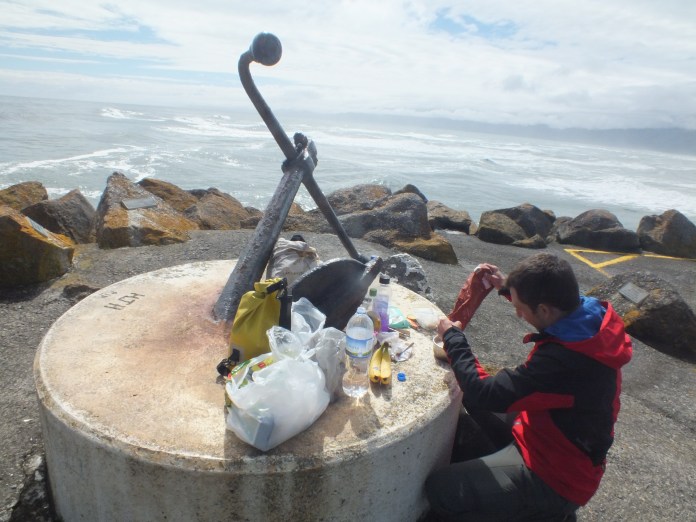
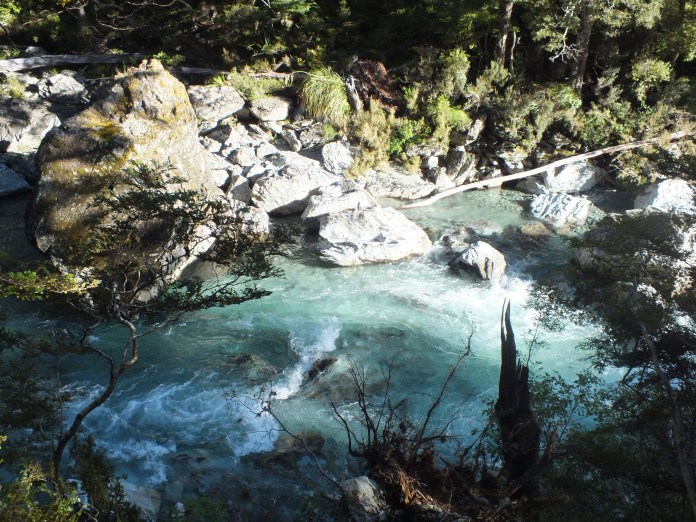
Being a tramp was fun while it lasted. I would get into a car and say, grandly, ‘Anywhere’. I would steal toilet paper from public toilets, even the soap from the sinks, would eat the leftover food on tables, and simply turn my socks inside out every morning. There were some beautiful moments – sitting drinking icy beer by a spectacularly blue lake of melted glacier, watching a hedgehog rummage through the rubbish in my tent, cooking pancakes by a lighthouse in the spray of waves from the Tasman Sea. But it’s tiring. Wandering the streets barefoot in the rain is too much for me. Maybe I’m a wuss, but it’s just not very fulfilling. I’m sure there are better ways to discover New Zealand.
dscf1966

dscf1950

dscf1838

dscf2082

dscf2038

dscf2086

dscf2025

dscf1801

dscf1632

Standard

Mount Cook and Hope Arm

dscf14231

Come, come to New Zealand, land of pristine wilderness and rugged adventure, say the adverts. So everyone comes flocking. And now it’s difficult to get a view of any glacier or lake for all the tourists posing for photos in front. Conversations with other travellers usually involve some complaint about how many tourists there are (without a hint of irony). Tourism is New Zealand’s main industry and it really does feel industrial, like we’re being managed, farmed, harvested, and are domesticating the landscape. But there is a reason everyone comes here, and it’s not hard to find your way off the main track and into the wild.

dscf09341

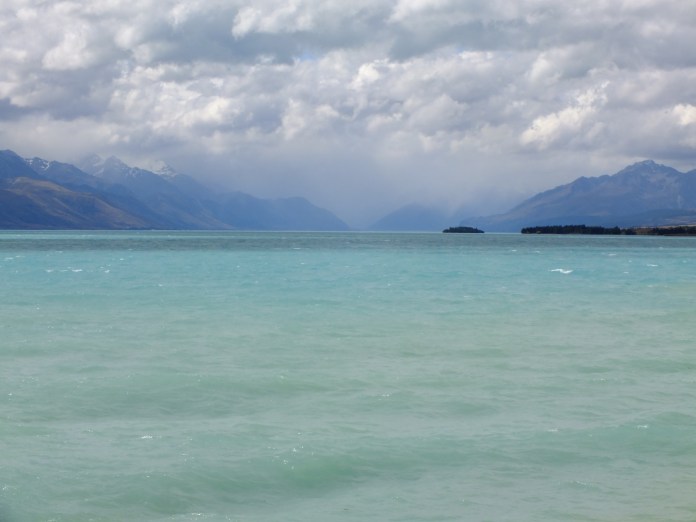
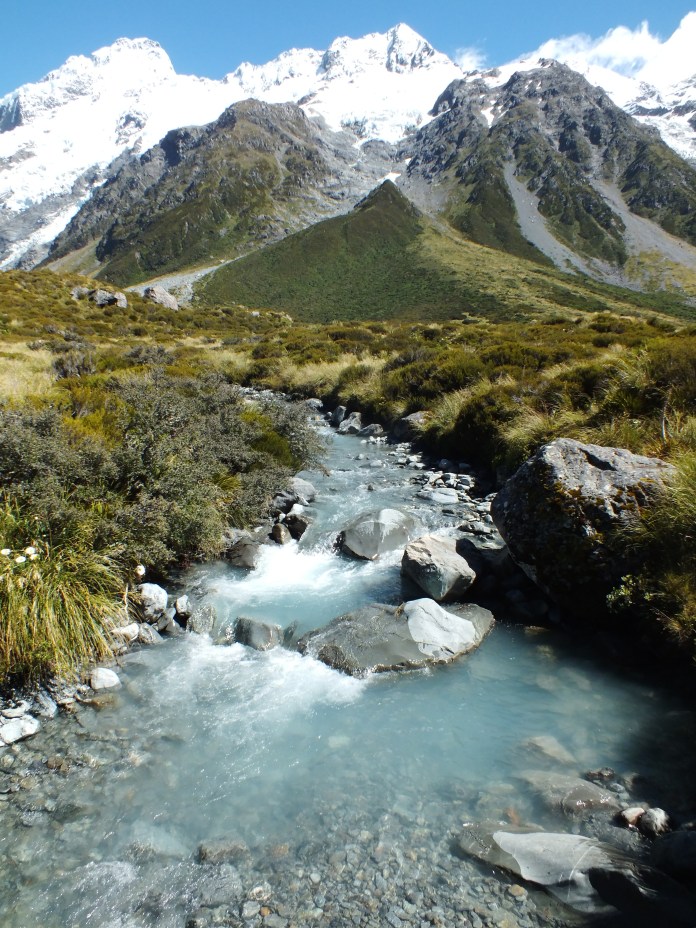
The first thing I noticed, and still can’t get over, is the colour of the water: bright turquoise rivers and lakes glowing with mineral energy, or icy grey rivers flowing with the milk of glaciers. Quite different from the crystal turquoise waters of Tasmania. Behind the water always lie mountains – the real things (they put Australia to shame), with snow-capped peaks, and growing at meteoric rates.

dscf10151

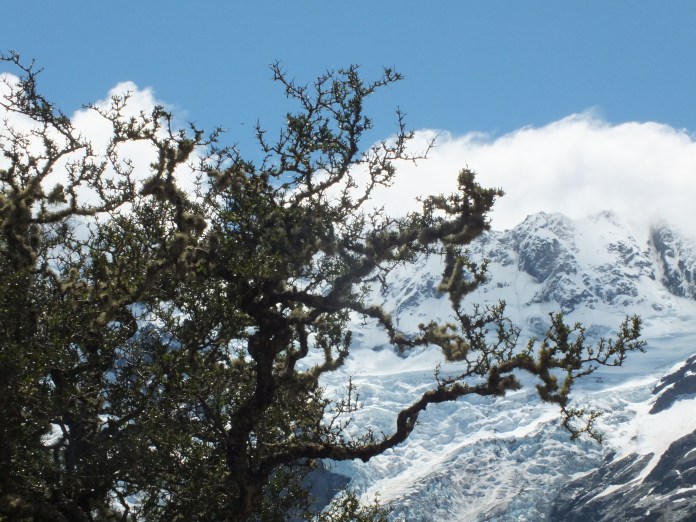
At the foot of Aoraki/Mt Cook, the tallest mountain, I think I found a lost paradise: a glade of raspberries, redcurrants and gooseberries among foxgloves, lupins and tall grasses, encircled by lichen encrusted trees. In the distance stood the glassy peak of Mt Cook, and as I gorged on fruit in the sunshine, the valley rumbled with the thunder of falling ice.

dscf11211

That night, camping below the mountains, the wind picked up and a gale grew. My tent billowed and shook, the roof pressing down to brush my sleeping bag, the walls huffing and puffing with the exertion of staying up. Sleep was impossible. A loud, distant roar would anticipate ferocious gusts.  All I could do was lie there and hope my weight would stop the tent blowing away. In the morning I took cover in a nearby shelter where the people whose tents had broken were sleeping. It was no hurricane, but I’ve never felt winds like them: inside the shelter, the wind through the air vents was enough to blow out my stove, and the draft coming up the toilet was enough to stop you needing to use it. What, I asked a lost-looking climber, can you possibly do in weather like this? Go to the pub. So I got the first lift out as fast as I could.

This is what most of the views have actually been like:

dscf11681

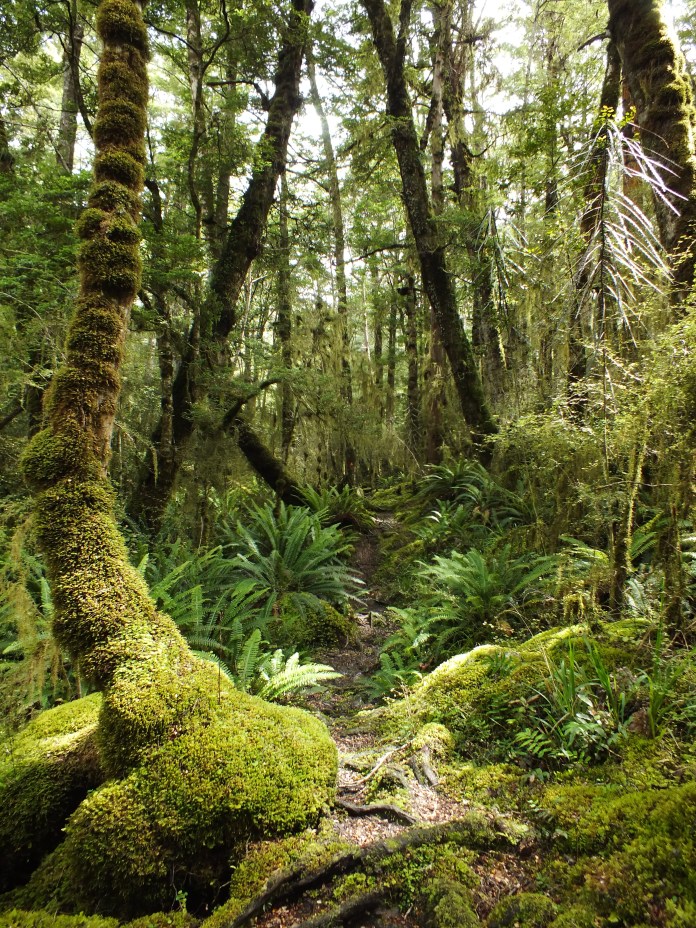
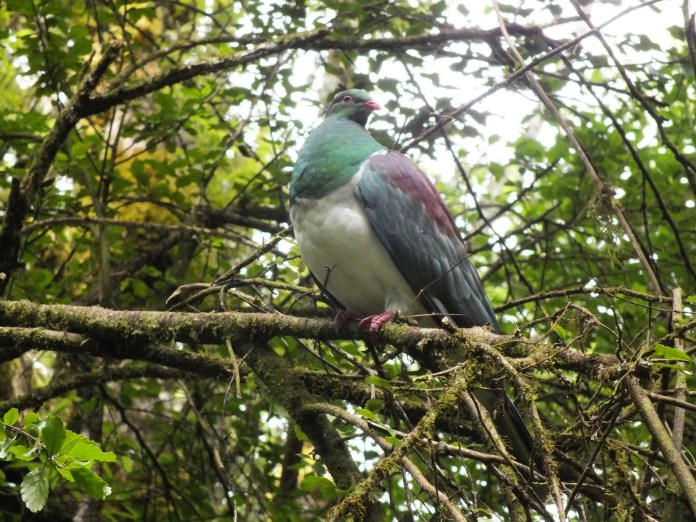
The weather this summer has been foul (they promise it’s not normally like this). Rain, wind, rain, wind, rain, wind. There’s something apocalyptic about it. The world’s storm is hitting hard, the glaciers are disappearing. But it feels somehow appropriate for New Zealand, which rose from the waters through earthquakes and volcanoes. Before the arrival of people, everything that grew here blew here or flew here. It’s a world of ferns, mosses and exotic birds.
dscf11621

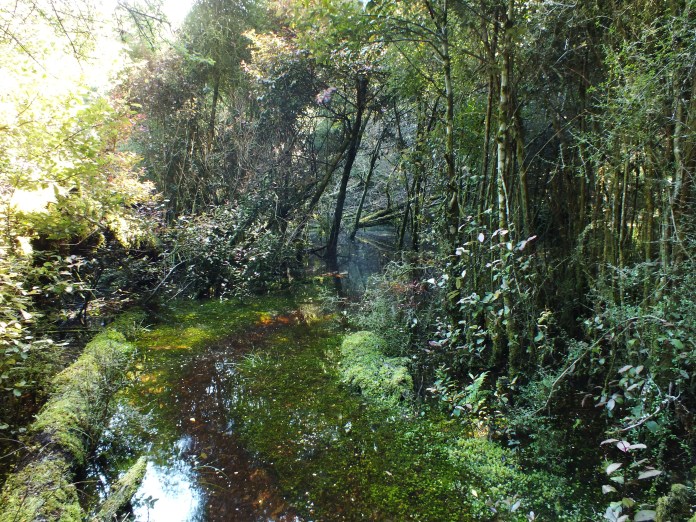
Fleeing the chaos of holiday parks and campervans for the rainy calm of the forest, I took a boat across a small river and began an overnight walk, with only the birds for company. Fantails would nervously hop closer and closer, peeking out from behind branches until we were staring at each other in silence. The path became flooded and walking became wading. I reached a river and saw orange markers telling me to cross it. There was no bridge, but the markers were unmistakeable. I held my camera up high and walked in up to my waist, feeling exactly like the adventurers I dreamed about when I was nine, with my pack on my back and explorer’s hat on. Then as I was climbing up the river bank I realised I’d forgotten to take out the pieces of paper in my pocket, including my map. So much for being the proper explorer.

dscf14151

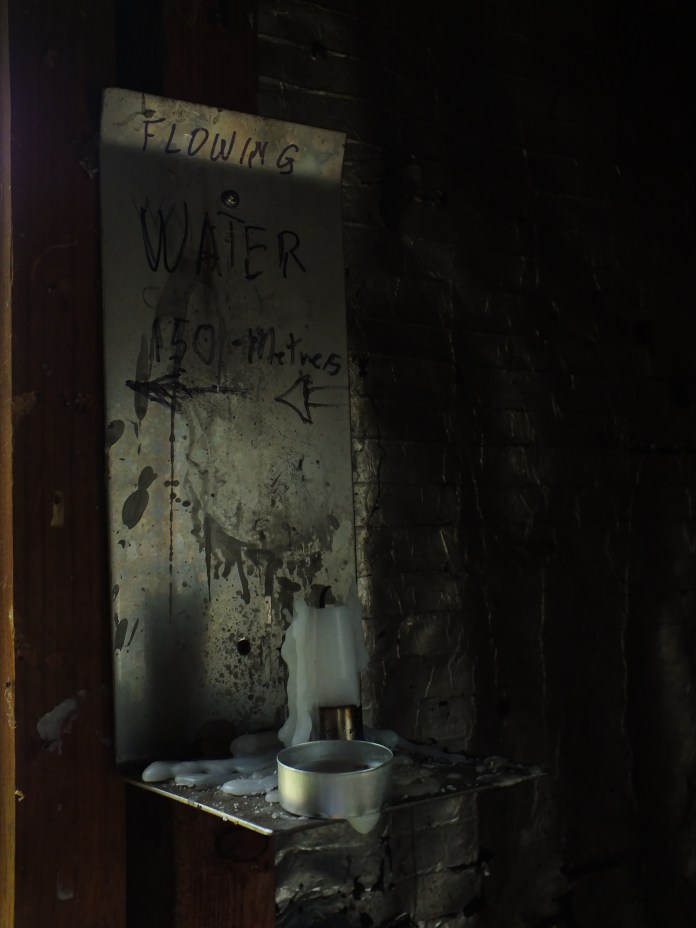
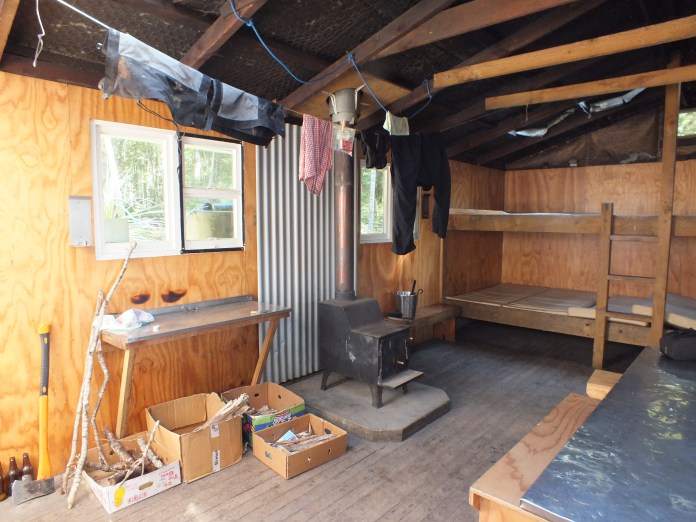
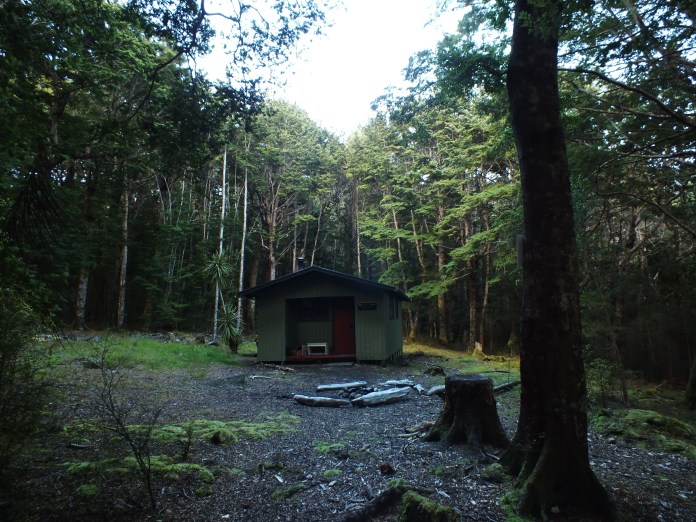
There’s a fantastic system of backcountry huts right the way across New Zealand, often beautiful wooden sheds with fireplaces and plenty of candles. This one was at the edge of the forest by the shore of Lake Manapouri, and I had it all to myself (and the mice). The next day I had to cross a three wire bridge across a large river, a kind of tightrope walking exercise with the help of handrails. It was so much fun – and the sort of thing people pay tons of money for on their kiwi adventure tours, but here I was having my own proper little adventure all for free, in the real wild and with no safety protection at all!

dscf13681

dscf13641

The next hut was a real hunting hide out and full of gun magazines. I headed up towards a lake and my meditation was interrupted by a half-eaten rat, feet poised in a crouching position and tail alert. I froze, then noticed a pair of pale blue eyes peeping out from the grass. A small kitten lay there, terrified. How the hell did a kitten get there – it’s miles from anywhere, across a river, and there aren’t supposed to be any mammals here. I continued on, wondering how I could believe what I was seeing. And then I came across a massive green skull (a moa skull, from that giant extinct bird?!), and was convinced I was hallucinating. Too much isolation, too many berries, too much water in my shoes. There are all sorts of rational explanations now of course, but it was a useful excercise in self-doubt and challenge to empirical norms. I think I must be absorbing the land mysticism which is so much a part of modern Kiwi culture. It’s a strange country and we’re doing strange things to nature.
dscf13601

dscf13401

dscf13251

dscf12551

dscf13481

dscf12011

dscf14271

dscf12291

dscf11451

dscf10841

Standard

Christchurch

dscf08931

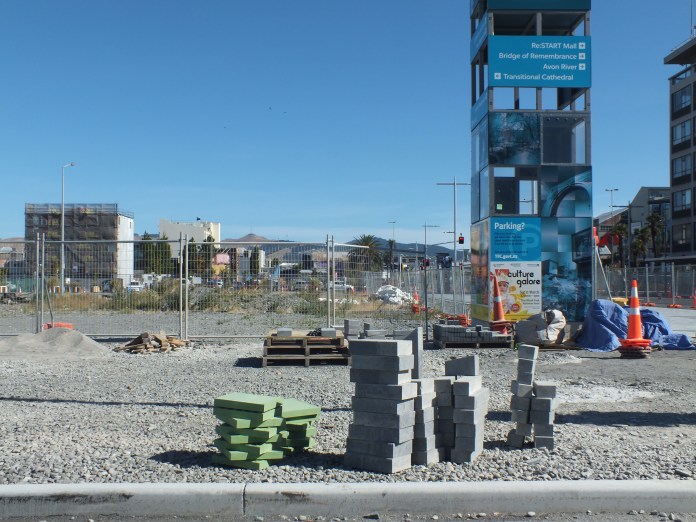
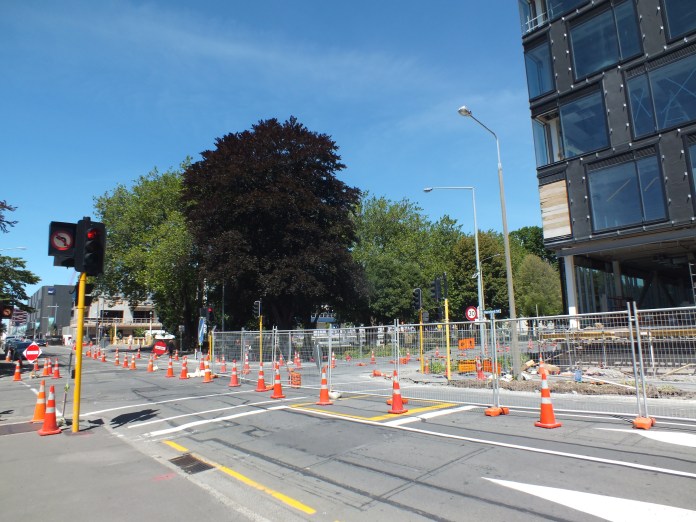
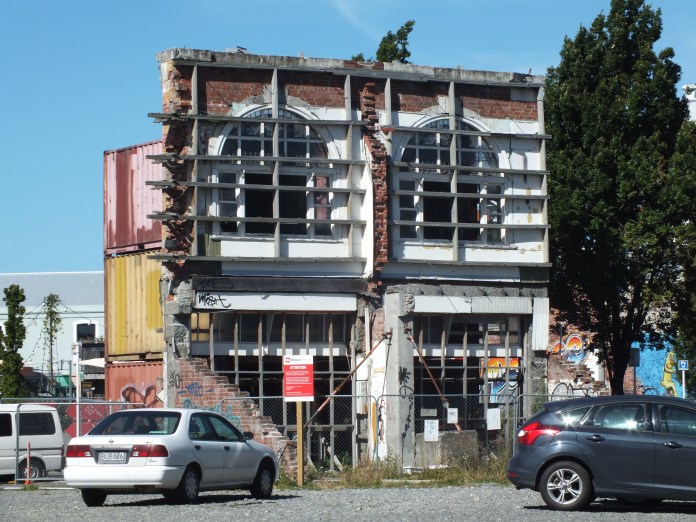
Christchurch, the ‘Shaky City’, is a giant building site. Almost six years on from the earthquake, the city is slowly rebuilding and adapting to its new life. Pavements are closed, streets are lined with orange traffic cones, and where buildings once stood there now sit car parks or open squares of rubble. I knew there had been a big earthquake, but I hadn’t really realised how much of an impact it had had – the city has almost disappeared. It’s a powerful reminder that cities aren’t as eternal and stable as they might seem.

dscf08681

There are hints of what it once looked like: the River Avon winds along between Oxford and Cambridge Terrace, with punts being driven by men in straw boaters and striped blazers. Between the willow trees and ducks stand small palm trees. A few neo-gothic buildings remain, and one street of old French-style shop fronts survives.

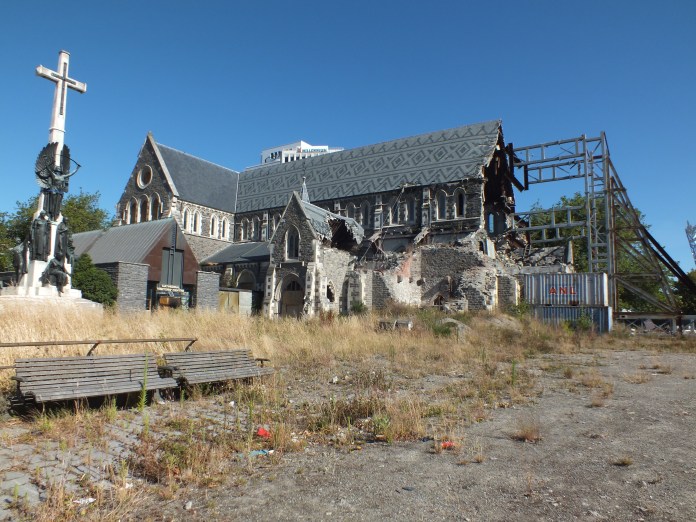
But otherwise the city has gone. At the centre stands the cathedral, the spire completely collapsed, leaving a gaping open front. The scaffolding which was put up to support the tower (but which only caused it to collapse completely) now stands redundant, barely touching the ruins. A congregation of pigeons lives among the wisps of plastic and broken wooden beams. Just outside the barrier is a small chapel-shaped viewing platform made of plants and flowers, with an orange traffic cone for a spire. While legal battles force this old cathedral to stand frozen in its collapse, a new one has been built out of cardboard and shipping containers.

dscf08081

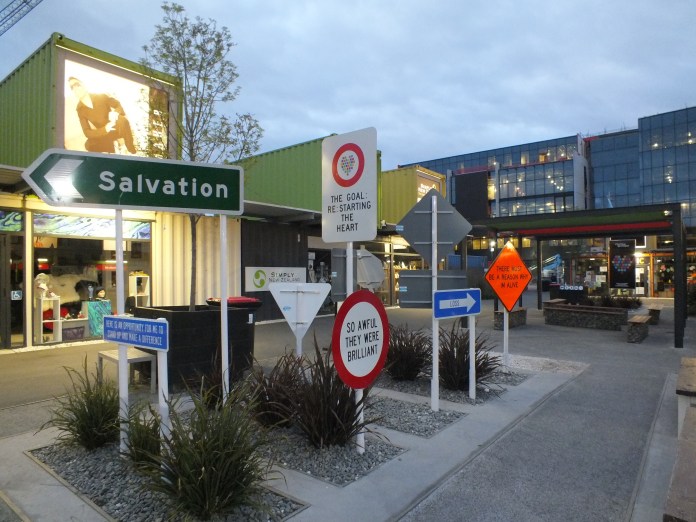
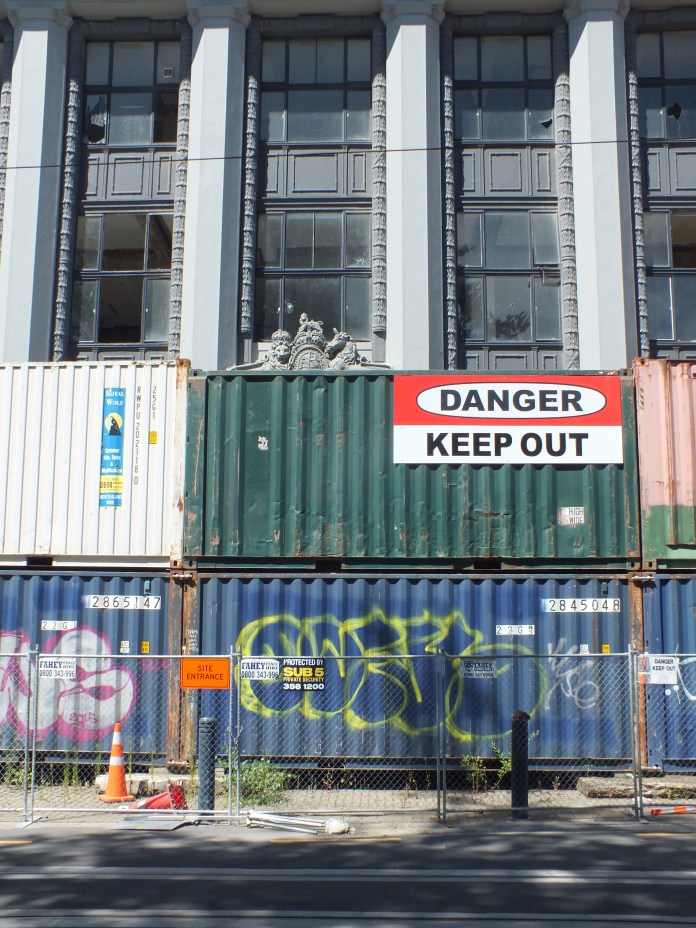
It was shipping containers that came to the rescue in 2011. Shops, banks, service centres were temporarily housed in them. And they still are. The central mall is a maze of shipping containers – most buildings are yet to be rebuilt. And people have really taken to them. Amongst the gardens and murals that have sprung up in the countless parking lots are shipping container cafes. Everything can be moved around as pleases. It all gives the city a kind of colourful, jigsaw feeling – of making do, and in great style.

Life goes on. The international busking festival was taking place so the streets were full of fire eaters and unicycle riders and hand standers, and always with massive crowds. I found a lovely farmers market on the bank of the river, where at lunchtime the construction workers (there are a LOT of them) sat among the ducks. And shipping containers are perfect for street food, so there’s heaps of lovely food.

dscf08291

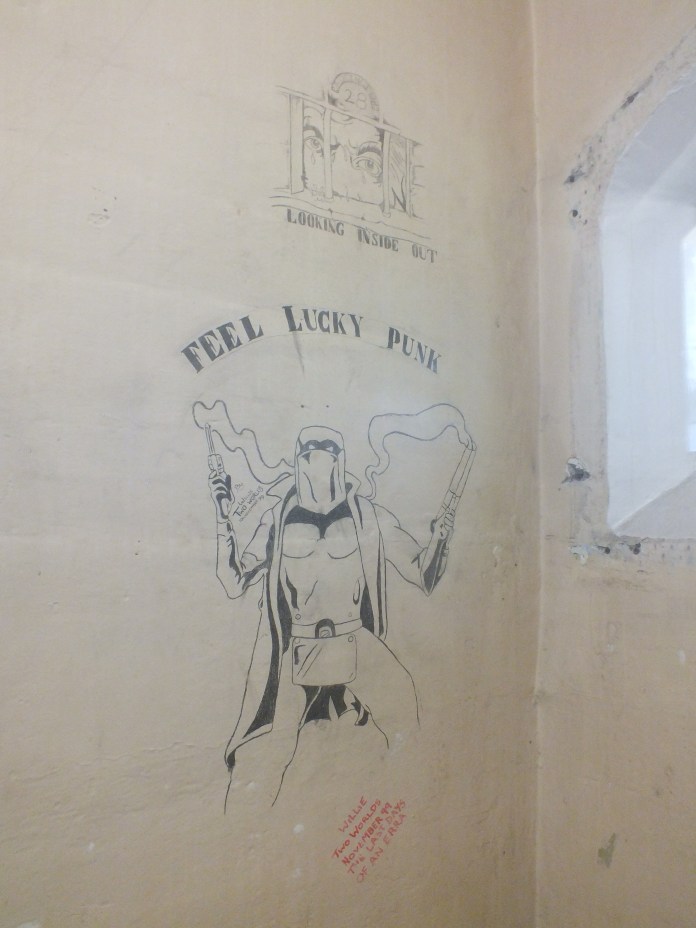
I decided to incarcerate myself in jail – a historic one though (nothing to do with the sniffer dog at the airport that wouldn’t stop clawing my leg). It only stopped being a prison in 1999, and one cell still has drawings on the wall from one of the last inmates. They’re slightly sinister but drawn like sad graffitti, messages to future strangers. ‘ONLY GOD CAN JUDGE ME’ and ‘NOVEMBER 99 – THE LAST DAYS OF AN ERA’. The small cells and large open central space actually work really well as a hostel. It also seemed to give everyone an aversion to locking doors – ironically (or deliberately?) it felt one of the least secure hostels I’ve stayed in!

dscf07861

dscf08611

dscf08221

dscf08331

P.S. Sorry there aren’t more photos. I’m trying to do this while camping and it’s hard to find computers!


Standard

The Tarkine

dscf06401

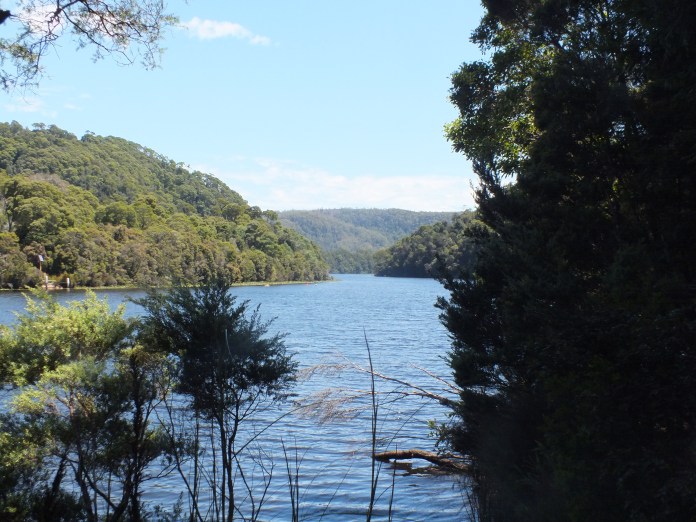
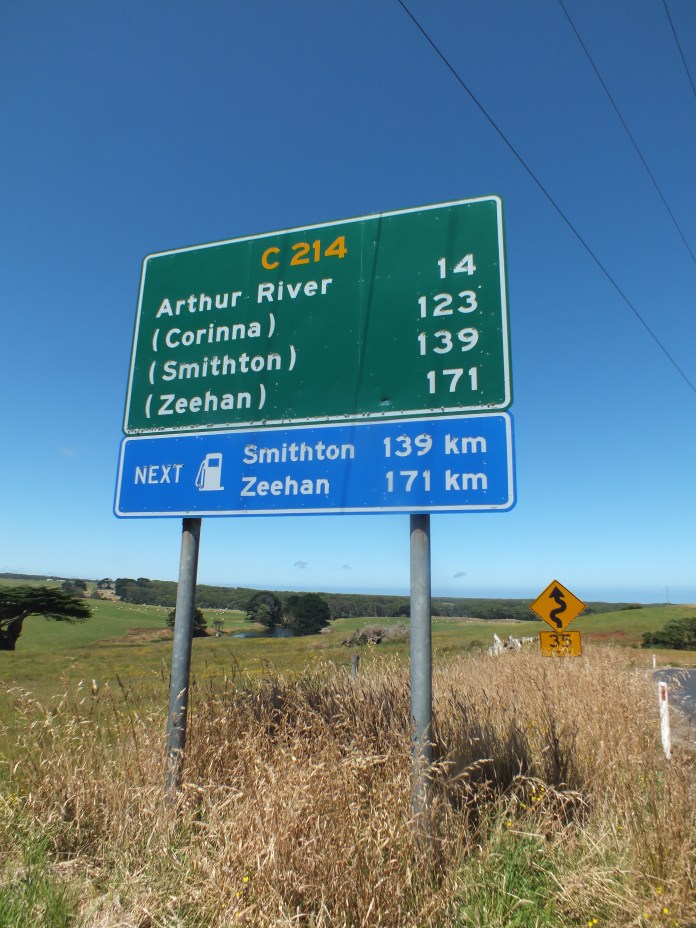
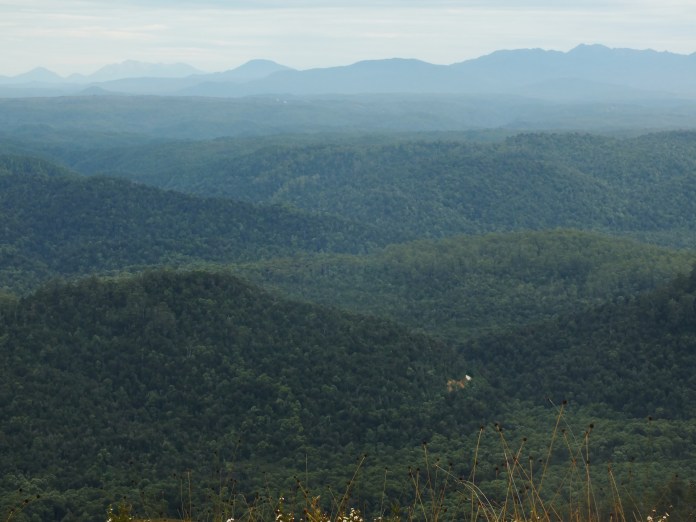
The Tarkine drive is slightly controversial, and I felt rather guilty for being able to drive straight through it, but it was so beautiful. We passed through forest for logging and fire damage before reaching the panoramic views of forested hills and mountains, and then descended into rainforest. We arrived at the ghost town of Corinna, an abandoned mining town which is now used as a ‘wilderness lodge’.  The camping spots were idyllic, on the banks of the Pieman River and underneath giant manferns, but were absurdly expensive – just because they can be, I suppose. Fourth item lost: my watch (that was actually useful).

dscf05701

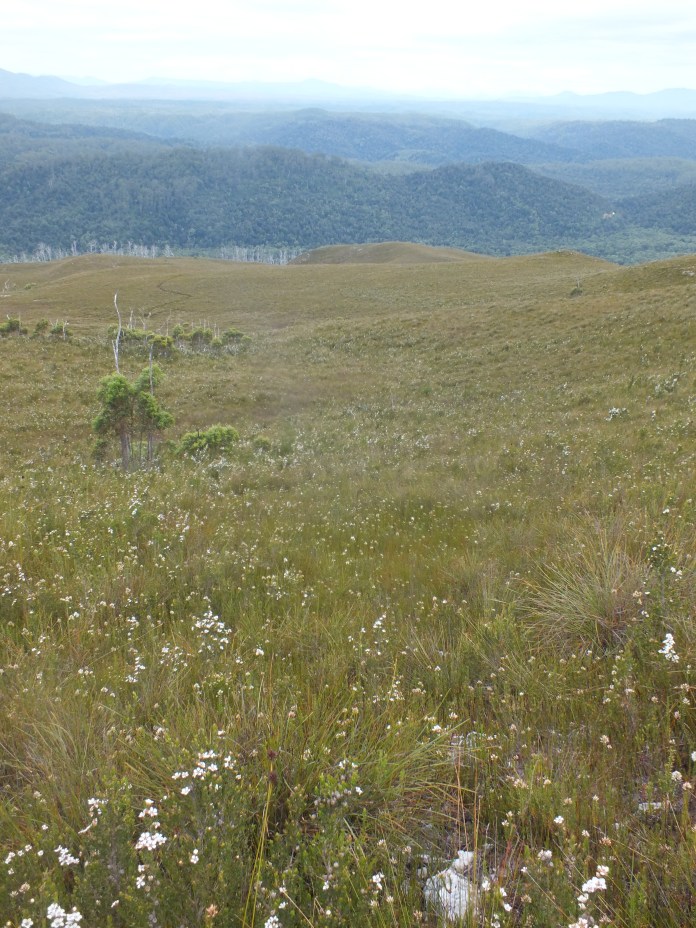
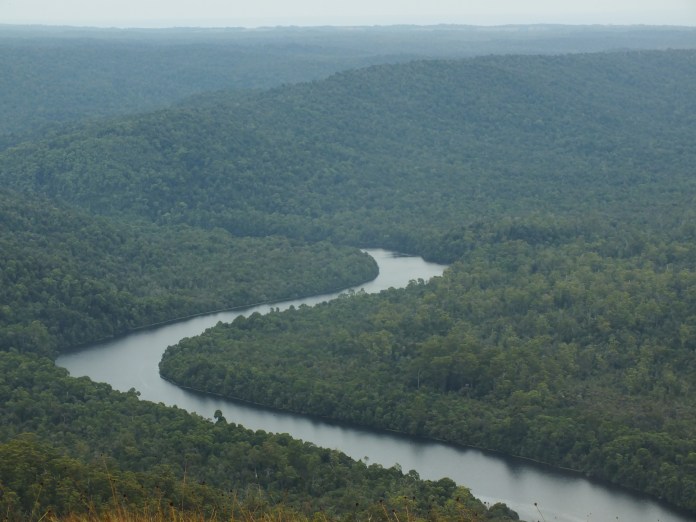
I went on a final walk with Melanie up Mount Donaldson, again posing for photos and mapping the route. We passed through thick bush and then climbed up to exposed mountainside covered in flowering tea trees, with incredible views of the Pieman River snaking through the forest.

dscf06651

Back in Corinna, I realised how stuck I was – in the middle of nowhere with no way out. Hitchiking wasn’t really going to work. I contemplated begging, and asked a few people, but nothing before the following day. Then, as I sat on a log (far away from the baby snake just spotted), another miracle: a Frenchman came up and asked if I was looking for a lift. He didn’t say he was going anywhere and said he could take me south to Zeehan or to a beach where there might be a nice sunset – all a little vague, and he looked pretty cocky and not someone I would get on with, but I badly needed a lift. While he packed up his car, I ran off to see the huon pines, Tasmania’s famous tree which is incredibly slow growing, hard-wearing and water resistant. They were decimated by logging, but not all were cut down. These ones survived because they had become misshapen through flooding. I’d expected something more ostentatious, massive moss covered trunks or something, but they were rather small trees, wizened and grey with little, unremarkable leaves. I guess that’s why the early loggers didn’t worry about cutting them down. Or perhaps it was just the anticlimax to six months of hype about the huon pine.

dscf06981

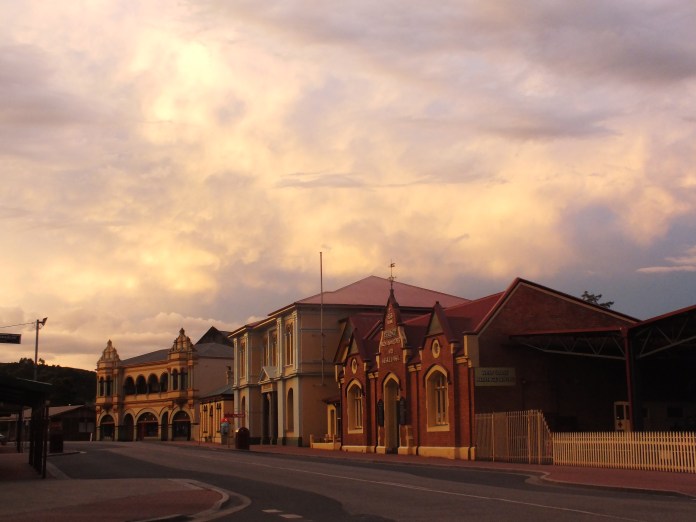
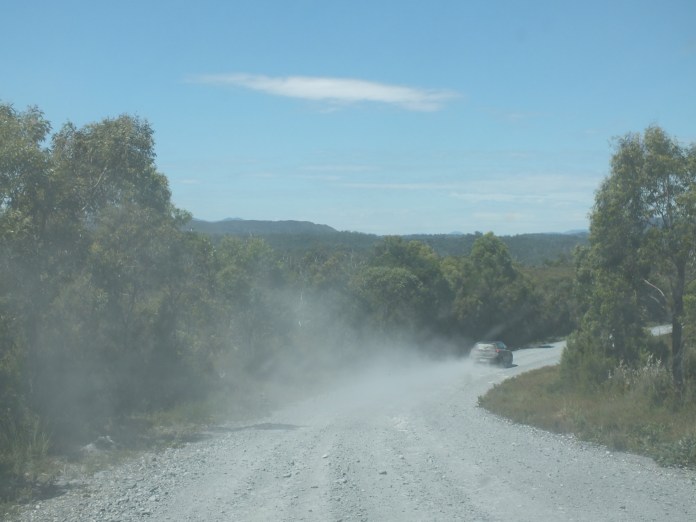
Back at Corinna, Julien had finished rearranging his car and bought a ferry ticket to cross the Pieman River. It was a squat platform more like a barge than a ferry, and was pulled across by a cable, taking one car at a time. Once we were were across, we were flying down the gravel. Julien had been in Australia for more than two years and had turned bushman, living in his car or tent, moving from one national park to another, roaming wild and befriending kangaroos. He’d only just discovered Tassie but had fallen in love with it. We arrived in Zeehan and stopped for dinner. Out came the french kitchen – garlic, knives, chopping boards, pans, avocado, grated carrot, pink rock salt. In minutes we had a feast. The sky which had clouded over now opened up to cast a pink light over the deserted high street, another relic of a bygone mining era. And then the clouds returned, the sky blackened, the wind picked up and a storm began. We pitched our tents right in the middle of town by the official monuments, but soon heard the sounds of drunk people shouting and crashing into things. We tried to avoid being seen, but were hardly going to be missed. However, they were the nicest, politest yobs I’ve ever encountered, telling us about their mining jobs, the glorious past of the town, and the story of the Pieman River (named after a convict baker in the vein of Sweeney Todd). And then they apologised for keeping us awake and left us in peace. They might as well have stayed though, because the storm which followed was terrible, blowing rain through my tent, shaking the fences and roves and making sleep impossible.

dscf07091

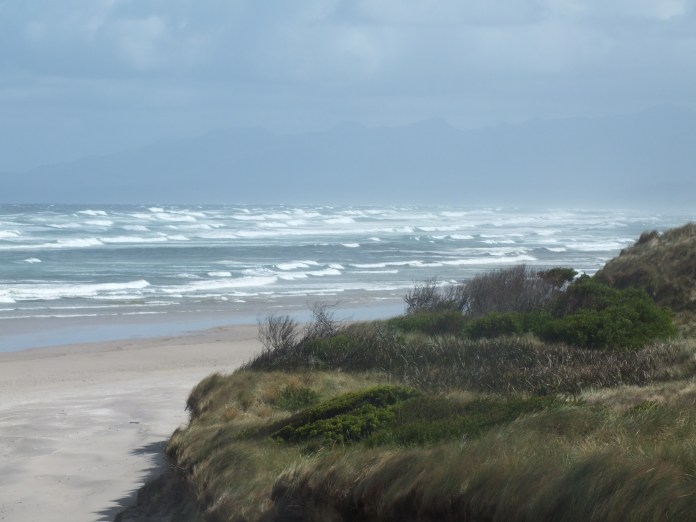
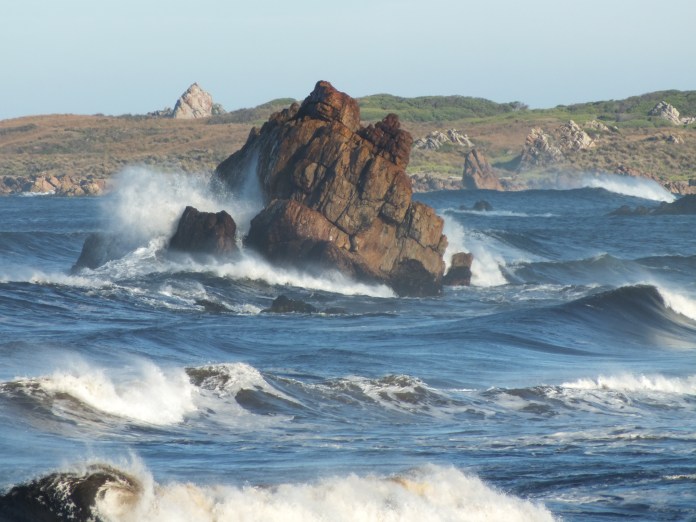
The following morning we scooted off quickly to have breakfast at a scenic lookout (out came the French kitchen again), then headed down to Strahan. The ocean looked rough: waves crashing as far as the eye could see, both ahead and to either side. The seagulls struggled just to stand still, doing funny little sideways walks when the wind got too strong. It was a spectacular sight.

dscf07201

dscf07391

My second lift of the day came from a local, who needed someone to talk to about his family crises. It felt like a therapy session. Then in Queenstown I had to wait the longest time so far (just over an hour) before getting picked up by a Swiss-German couple. They made me tie all my belongings together so I wouldn’t lose anything, then I squeezed into the front and the camper van spluttered on. It was very German, very funny, very interesting, and very exhausting. My final lift for the day came from a fisherman on his way home. He’d been out in the storm and was grateful to have made it out at all, but it was all fine and his crayfish had been safely delivered to Beijing. We went on various shortcuts and he pointed out all the local spots and pieces of history (towns that had completely disappeared and so on). And again, he told me all about his family and their divorces and upsets. So tiring. But what a great way to say good bye to Tasmania.

dscf05791

dscf06141

dscf06282

Standard

The Wild West

dscf03821

Oh, how I’ve been longing and yearning to see the wild west coast of Tasmania! Surf beaches, enormous waves, real wilderness and the majestic Tarkine or Takayna – a vast stretch of temperate rainforest which is constantly under threat from logging and mining (and people generally), and which has inspired great environmental protests and photographs. I really, really wanted to see it, but of course it’s rather hard to get to, especially without a car. But it was now or never – I had to give the ridiculous a chance.

It didn’t take long to get a lift to the tiny surf town of Marrawah. It was in a peculiar little van with fluorescent pink scrawls on its windscreen, driven by a young dairy farmer with white paint on his cheeks and wearing spotless white trousers. He wasn’t actually going to Marrawah, but offered to take me there anyway. We quickly got into theology and post-modernism, and in his virulent anti-establishment world we expressed our support for Trump – it’s a hard life sometimes… He took me to his dairy farm and showed me around all the machinery, turning it on (and letting me stick my thumb in the pump to feel what it’s like to be milked!). He was so proud. It was all extremely run down (and they’d recently had a batch of milk fail a safety test after their cooling mechanism broke down), but at least it was his own and no one could tell him what to do. The rest of the journey was spent discussing grass management.

dscf03162

At Marrawah the famous surf beach was calm, with just a family fishing for their dinner by trawling the waves with a tennis net. Right by the beach was free camping. Realising hitchiking would be harder and harder, I decided I should start scouting around for lifts as soon as possible. So I started chatting to an elderly Dutch man in the next door campervan. No lift, but he was full of stories of South America and invited me to dinner. He was incredibly meticulous and an engineer through and through: every single thing had a designated space in the van he’d designed himself, and he told me how to cook pasta in the most exact, scientific (though sadly not very tasty) way. He now travelled to be independent and free.

The following morning the surfers were already out, catching a few waves but mostly waiting. I took my morning swim and tried to wash off some of the dirt. It was a rare windless day and the flies were out in full force, biting and drawing blood.

dscf03402

dscf03501

dscf03591

This was the first time in Tassie I’d had to wait more than 10 minutes for a lift. But eventually I was picked up by a topless, barefoot surfer-rock climber looking for a wave. He said he’d spent five months hitchiking through Alaska so now couldn’t not stop for every hitchiker he saw. When I told him I wished I could surf, he said he had a spare board if the surf was good. But when we got to the next beach the waves were crashing all over the place and onto jagged rocks. Not a good place to begin. There were four surfers flying up and down along waves, twisting and tumbling, but even they were struggling. Apparently it takes about three months of intensive learning to be able to stand and ride a wave. I am seriously considering the investment now.

He took me down to Arthur River and we went to see the ‘Edge of the World’. There’s nothing between here and Argentina, and the air is the cleanest in the world. I’m still not quite sure why that particular point is called the edge of the world, but the view was incredible: rows and rows of waves crashing into a massive rock sticking out of the water, dead trees littering the rocky shoreline.

dscf05161

Our ways parted here, the surfer still in search of a wave, and I dithering over my next move. I could attempt to go further south, but I met a French couple who had tried to do the same and had given up and were returning north. The chances were slim that I would make it into the Tarkine – but I would always wonder if I could have done it.

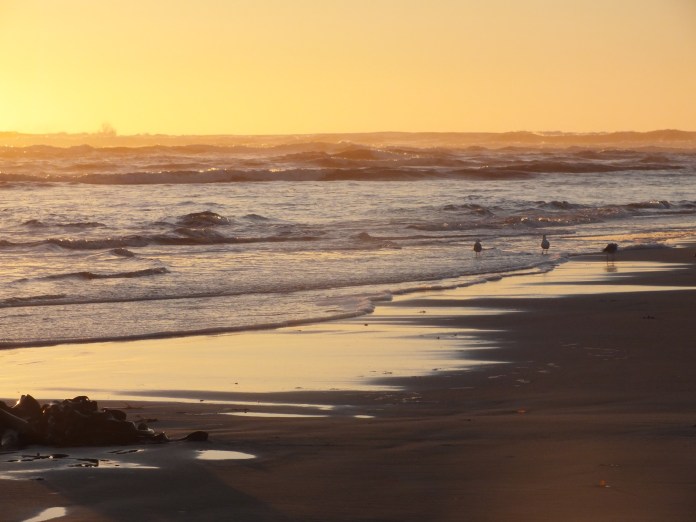
So I went for a walk along the coast, dressed in a swimming costume, t-shirt, gaiters and hiking boots (as recommended, to avoid snakes), and looking completely ridiculous. That evening there was a perfect sunset over the Southern Ocean.

dscf04722

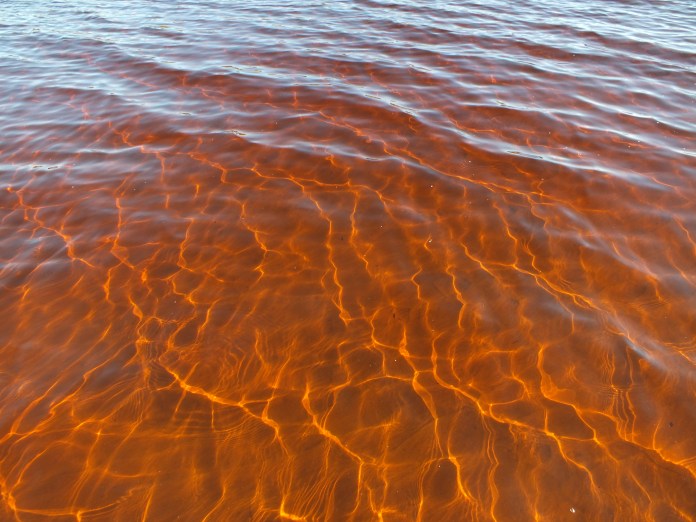
Back in Arthur River locals were swimming in the red water of the river and driving their ancient cars, things that could only be described as old bangers, along the beach (these are beaches which can swallow 4WDs). ‘Where’s the donkey?’ someone shouted. (Did I hear that correctly, donkey?) A few moments later, I passed a donkey munching away by the beach. That evening I saw the same lady driving her car slowly, window rolled down with outstretched arm holding the donkey’s lead and taking it for a walk through the streets.

dscf04431

And then, and then… as the surfer said, when you’re hitchiking you always seem to be lucky. I was brushing my teeth in the public toilets and started chatting to the woman who was also there, and whom I’d seen taking photos of the sunset. She was writing a book on bushwalking and was heading south to Corinna! After heavy hinting on my part, she offered to take me along.

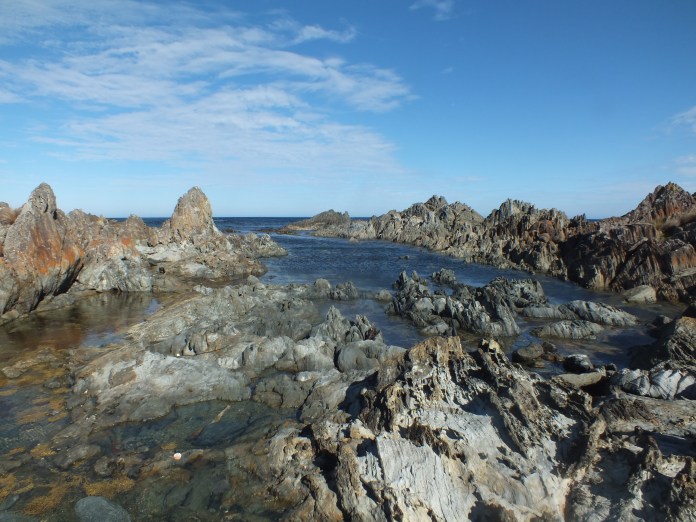
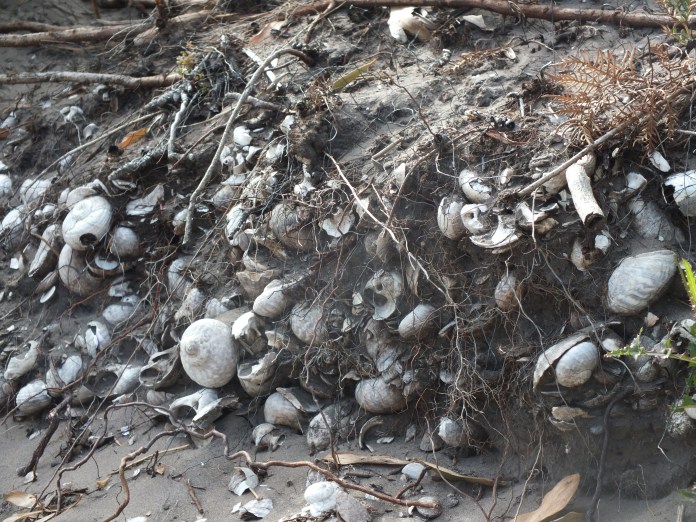
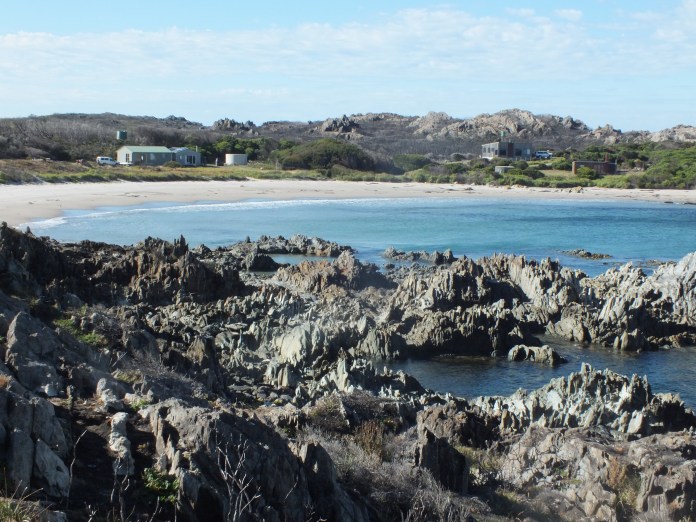
The next morning we left early to catching the morning sun at the Edge of the World, and then stopped off to test out a ‘short’ three hour coastal walk. Melanie carried a GPS to map the walk and a dictaphone to record instructions and observations. She actually seemed quite happy to have someone else with her because it meant that she could have photos of herself for once, and photos of someone walking the walk. So I modelled for her, wading through a little river, climbing some rocks, standing looking out to sea in front of dramatic landscapes. She was also a travel writer so had some incredible stories. As we walked along to Sarah Ann Rocks, a kind of city of rocks, rockpools and tall mounds, we passed a midden, a mass of shells marking an aboriginal site. The sandy 4WD track had cut through the midden, the crushed shells making the track glimmer in the sunshine.

dscf05481

dscf05621

And then we began the Tarkine drive, which was so different it deserves its own post!

dscf04311

dscf05431

dscf04981

dscf04641


Standard