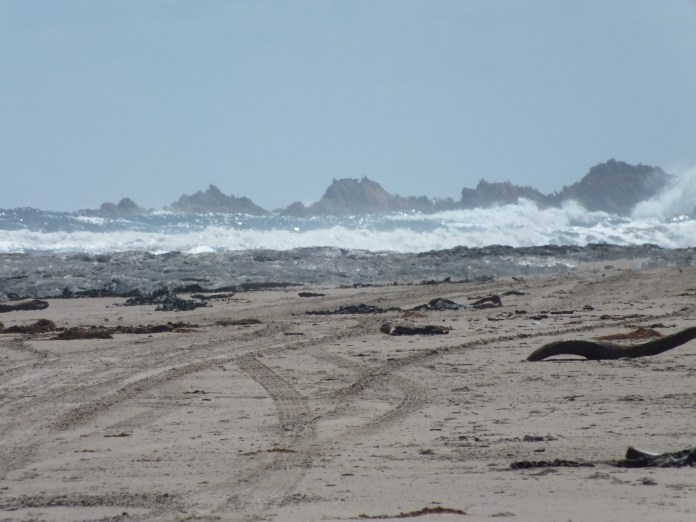
Oh, how I’ve been longing and yearning to see the wild west coast of Tasmania! Surf beaches, enormous waves, real wilderness and the majestic Tarkine or Takayna – a vast stretch of temperate rainforest which is constantly under threat from logging and mining (and people generally), and which has inspired great environmental protests and photographs. I really, really wanted to see it, but of course it’s rather hard to get to, especially without a car. But it was now or never – I had to give the ridiculous a chance.
It didn’t take long to get a lift to the tiny surf town of Marrawah. It was in a peculiar little van with fluorescent pink scrawls on its windscreen, driven by a young dairy farmer with white paint on his cheeks and wearing spotless white trousers. He wasn’t actually going to Marrawah, but offered to take me there anyway. We quickly got into theology and post-modernism, and in his virulent anti-establishment world we expressed our support for Trump – it’s a hard life sometimes… He took me to his dairy farm and showed me around all the machinery, turning it on (and letting me stick my thumb in the pump to feel what it’s like to be milked!). He was so proud. It was all extremely run down (and they’d recently had a batch of milk fail a safety test after their cooling mechanism broke down), but at least it was his own and no one could tell him what to do. The rest of the journey was spent discussing grass management.
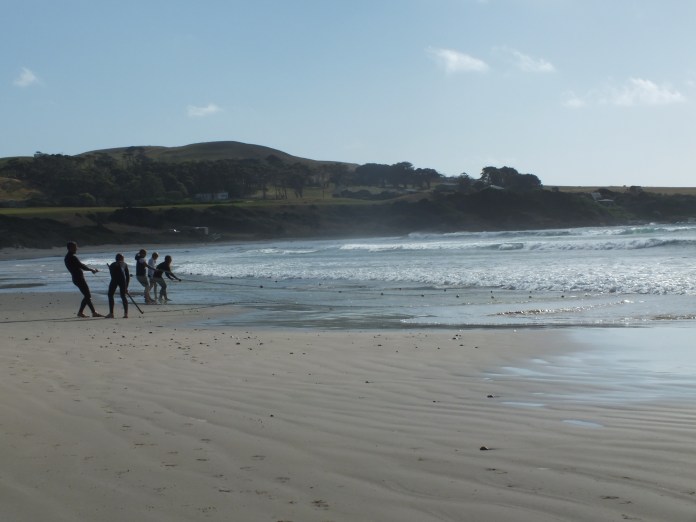
At Marrawah the famous surf beach was calm, with just a family fishing for their dinner by trawling the waves with a tennis net. Right by the beach was free camping. Realising hitchiking would be harder and harder, I decided I should start scouting around for lifts as soon as possible. So I started chatting to an elderly Dutch man in the next door campervan. No lift, but he was full of stories of South America and invited me to dinner. He was incredibly meticulous and an engineer through and through: every single thing had a designated space in the van he’d designed himself, and he told me how to cook pasta in the most exact, scientific (though sadly not very tasty) way. He now travelled to be independent and free.
The following morning the surfers were already out, catching a few waves but mostly waiting. I took my morning swim and tried to wash off some of the dirt. It was a rare windless day and the flies were out in full force, biting and drawing blood.
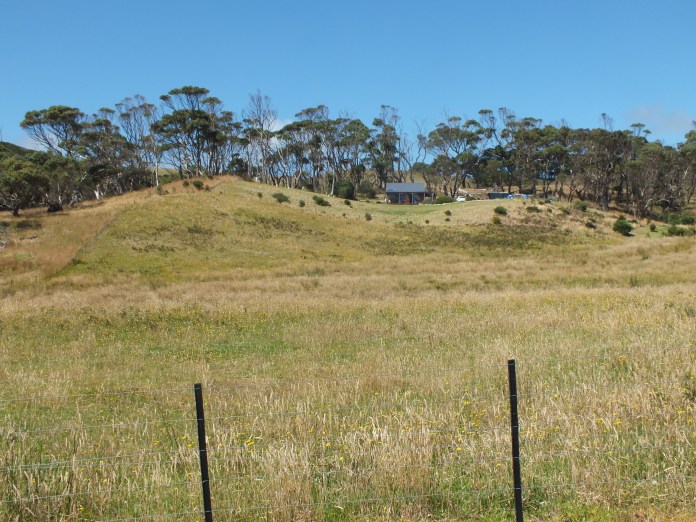
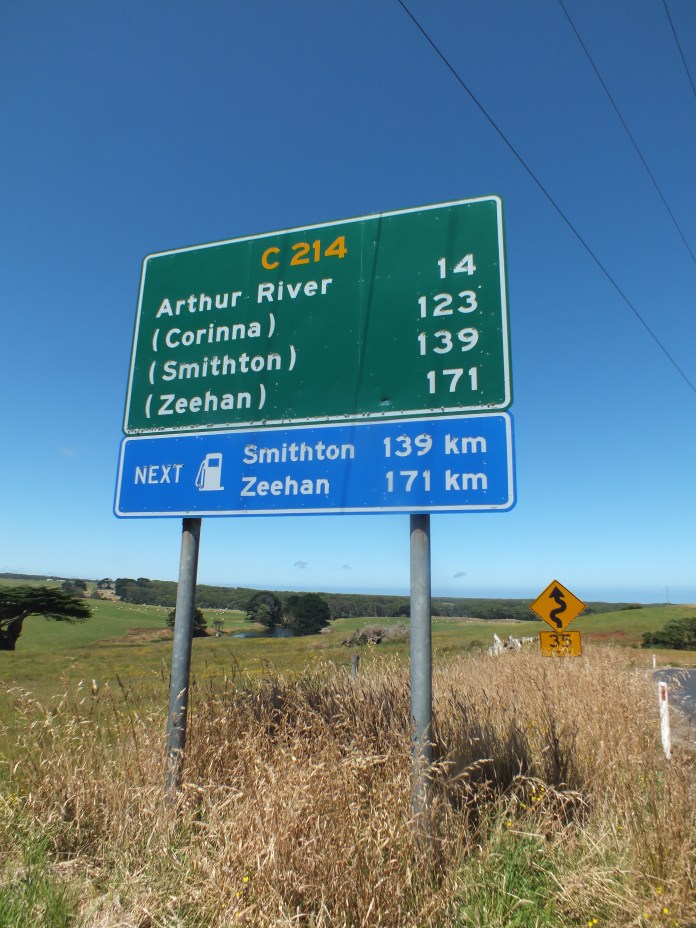
This was the first time in Tassie I’d had to wait more than 10 minutes for a lift. But eventually I was picked up by a topless, barefoot surfer-rock climber looking for a wave. He said he’d spent five months hitchiking through Alaska so now couldn’t not stop for every hitchiker he saw. When I told him I wished I could surf, he said he had a spare board if the surf was good. But when we got to the next beach the waves were crashing all over the place and onto jagged rocks. Not a good place to begin. There were four surfers flying up and down along waves, twisting and tumbling, but even they were struggling. Apparently it takes about three months of intensive learning to be able to stand and ride a wave. I am seriously considering the investment now.
He took me down to Arthur River and we went to see the ‘Edge of the World’. There’s nothing between here and Argentina, and the air is the cleanest in the world. I’m still not quite sure why that particular point is called the edge of the world, but the view was incredible: rows and rows of waves crashing into a massive rock sticking out of the water, dead trees littering the rocky shoreline.
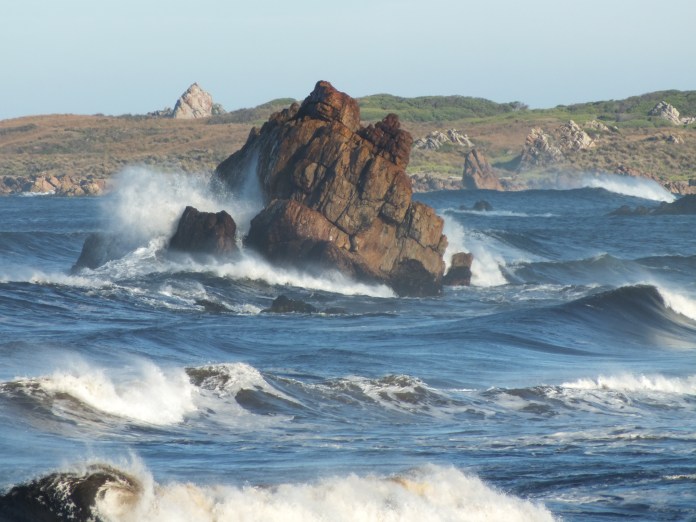
Our ways parted here, the surfer still in search of a wave, and I dithering over my next move. I could attempt to go further south, but I met a French couple who had tried to do the same and had given up and were returning north. The chances were slim that I would make it into the Tarkine – but I would always wonder if I could have done it.
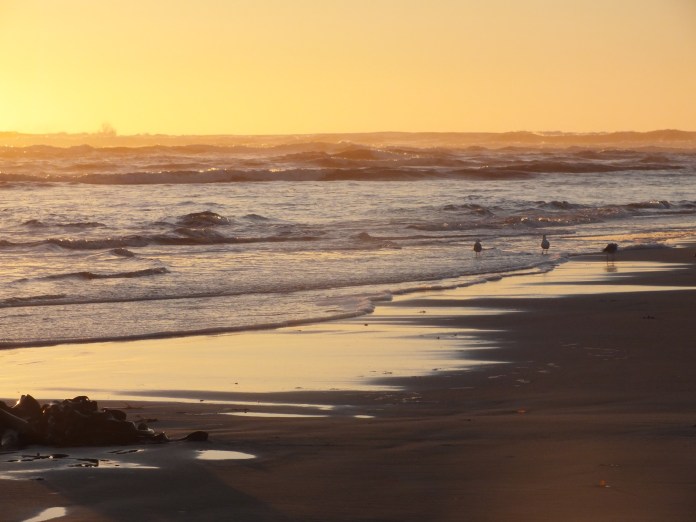
So I went for a walk along the coast, dressed in a swimming costume, t-shirt, gaiters and hiking boots (as recommended, to avoid snakes), and looking completely ridiculous. That evening there was a perfect sunset over the Southern Ocean.
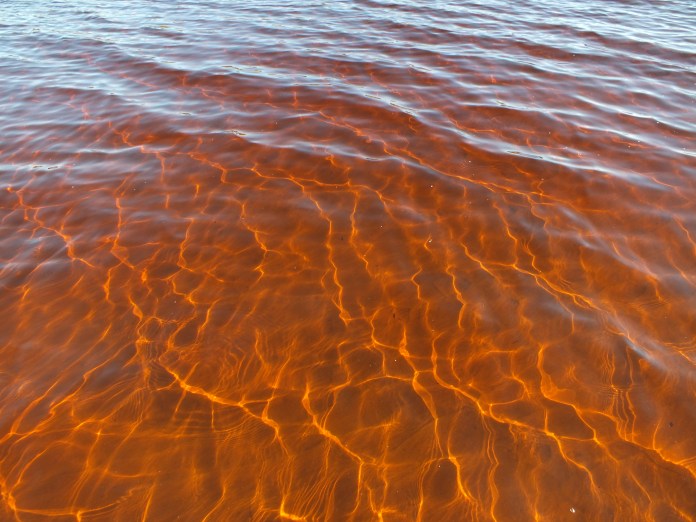
Back in Arthur River locals were swimming in the red water of the river and driving their ancient cars, things that could only be described as old bangers, along the beach (these are beaches which can swallow 4WDs). ‘Where’s the donkey?’ someone shouted. (Did I hear that correctly, donkey?) A few moments later, I passed a donkey munching away by the beach. That evening I saw the same lady driving her car slowly, window rolled down with outstretched arm holding the donkey’s lead and taking it for a walk through the streets.
And then, and then… as the surfer said, when you’re hitchiking you always seem to be lucky. I was brushing my teeth in the public toilets and started chatting to the woman who was also there, and whom I’d seen taking photos of the sunset. She was writing a book on bushwalking and was heading south to Corinna! After heavy hinting on my part, she offered to take me along.
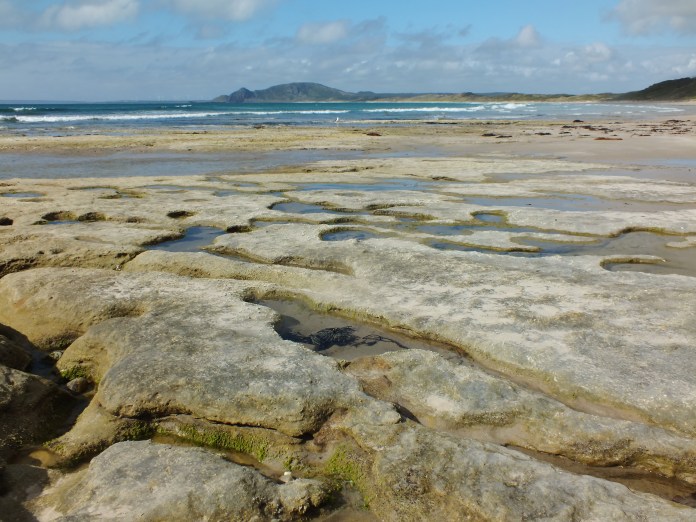
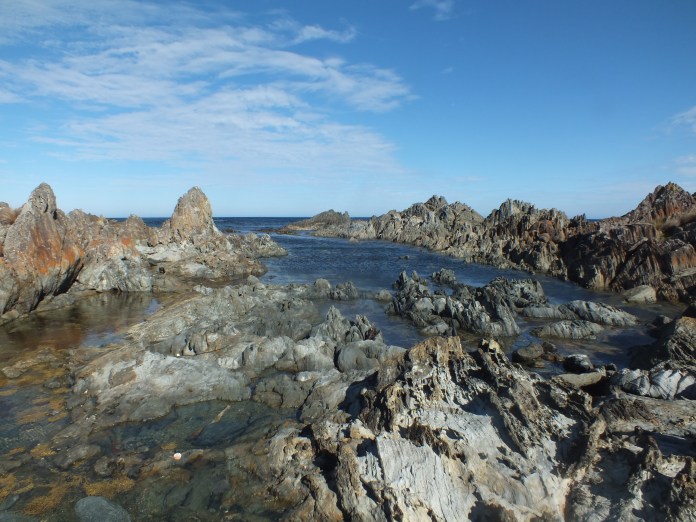
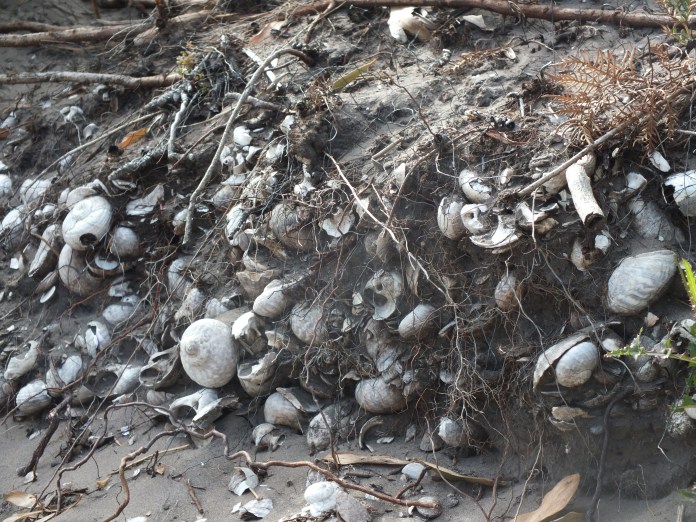
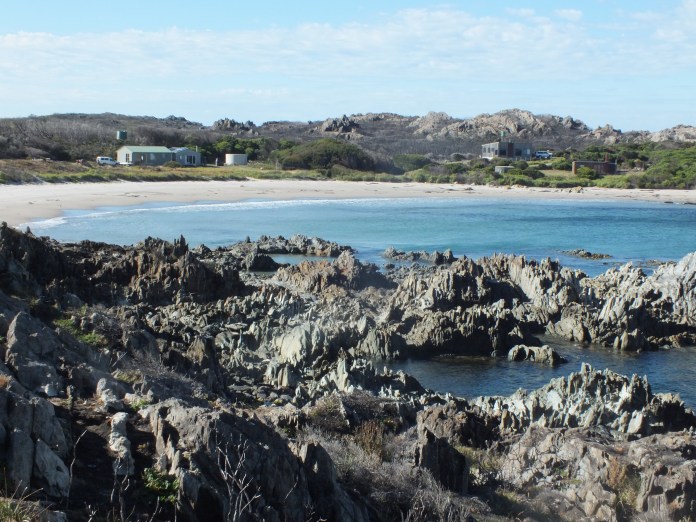
The next morning we left early to catching the morning sun at the Edge of the World, and then stopped off to test out a ‘short’ three hour coastal walk. Melanie carried a GPS to map the walk and a dictaphone to record instructions and observations. She actually seemed quite happy to have someone else with her because it meant that she could have photos of herself for once, and photos of someone walking the walk. So I modelled for her, wading through a little river, climbing some rocks, standing looking out to sea in front of dramatic landscapes. She was also a travel writer so had some incredible stories. As we walked along to Sarah Ann Rocks, a kind of city of rocks, rockpools and tall mounds, we passed a midden, a mass of shells marking an aboriginal site. The sandy 4WD track had cut through the midden, the crushed shells making the track glimmer in the sunshine.
And then we began the Tarkine drive, which was so different it deserves its own post!



 Km. 0
Km. 0 