Half a day is not long enough at all to see Singapore, but – in what is beginning to feel rather like a tour of the British Empire – I had a go. It started raining as soon as I emerged from the metro and every shop was covered in plastic, so I decided to start with food. A classic breakfast is kaya toast (coconut jam and thick creamy butter between two slices of artificial white bread) accompanied by a cup of kopi, or coffee with condensed milk (Singaporean English is incomprehensible). The unfamiliar smell of durian wafted around. Small, pale yellow pieces of the fruit were expensive and smelled absolutely disgusting so I took the easy option of a durian milkshake. Out came a box of pureed durian and a waft of smelly feet. Closer to, the milkshake smelled of vomit and I struggled with the first few sips, but after a while I came to appreciate the delicate sweetness and the smell receded.
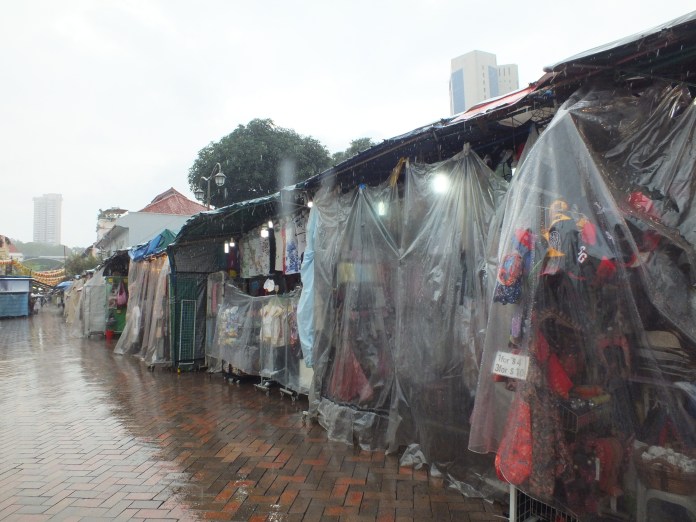
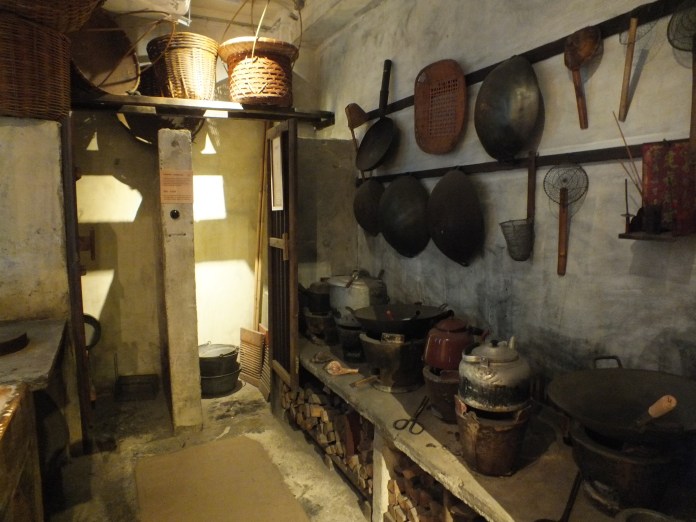
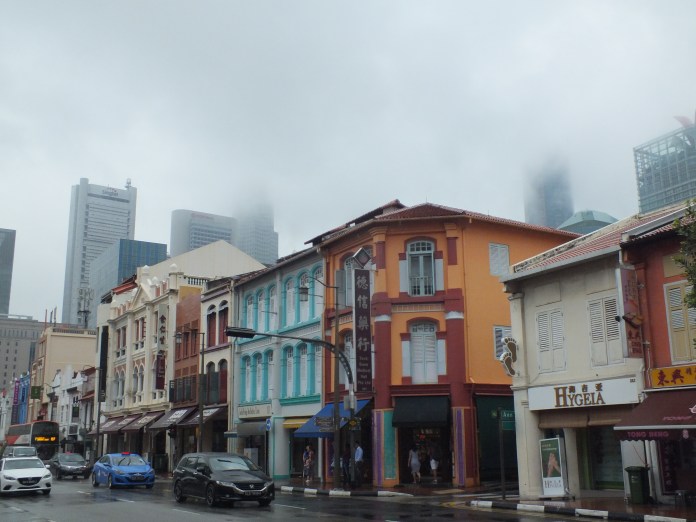
I hung around my hostel in Chinatown, wandering through street after street of sodden stalls selling tacky souvenirs and chocolate coated durian, until I came to a great little museum about the history of Chinese immigration to Singapore. It recreated the squalid living conditions of the area – each family shared one tiny room and were charged according to the size of their stove. The landlords and employers would encourage opium addiction in order to keep hold over their tennants and labour force. I found the Samsui women particularly interesting: identifiable by their blue tunics and big red hats, and often having made a vow of chastity, they worked on construction sites and did heavy manual labour. At the front of the house was the doctor’s room, where there was a hole in the floor through which you could see who was on the street below. It also allowed you to hoist up dishes of food from hawkers underneath, who would advertise what they were selling through a series of coded knocks. In the basement was a small memorial to the city’s death houses, places where people went to die away from home because dying at home was considered inauspicious. (How different are modern retirement homes?).
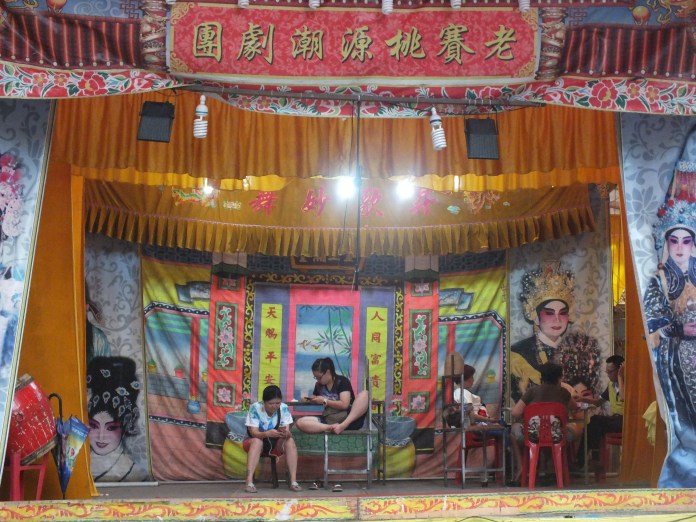
Singapore has such a mix of cultures. On the street where I stayed was a mosque, a hindu temple and a buddhist relic temple, while further around the corner I came across a synagogue, an Armenian church and a taoist temple. Inside the last temple I found a tent with a stage set up for Chinese opera; on stage singers in full make up were playing mahjong, while behind the curtain they sat sewing costimes.
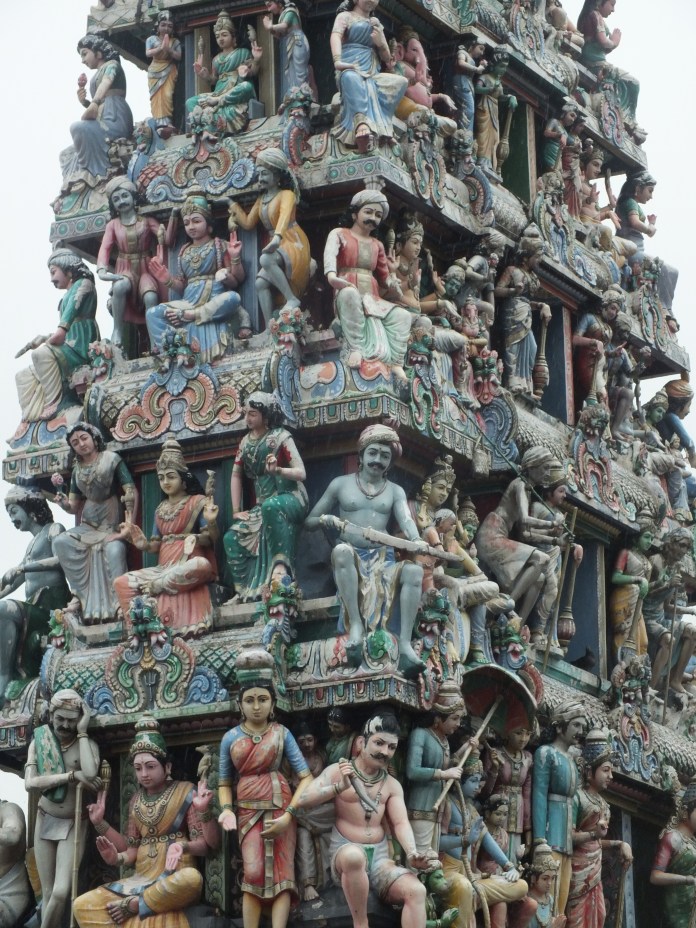

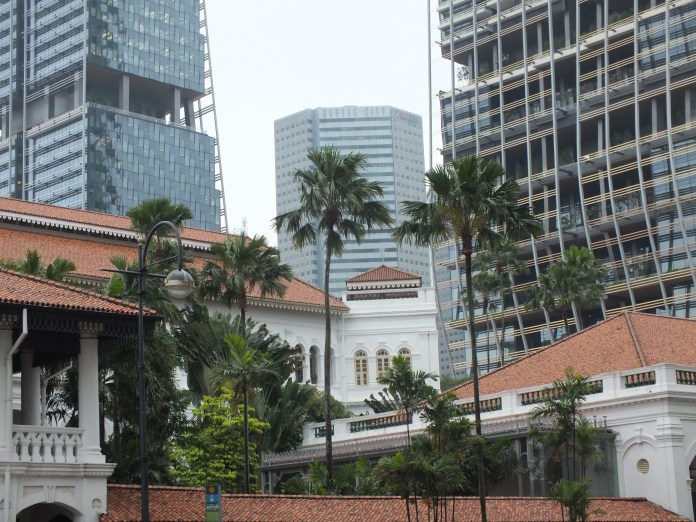
This mix is also visible in the juxtaposition of architecture, with colonial buildings that make you think you’re walking the streets of London brushing alongside buddhist dragons and futuristic skyscrapers. Many of the buildings are vertical gardens, making even the most urban areas feel pleasant in the tropical heat.
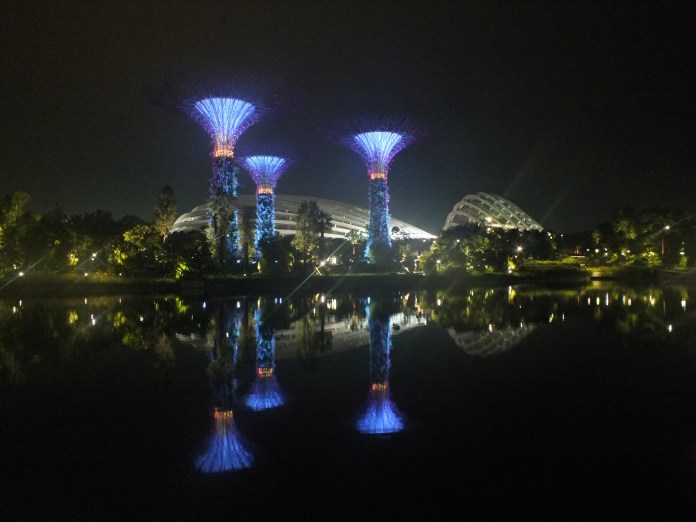
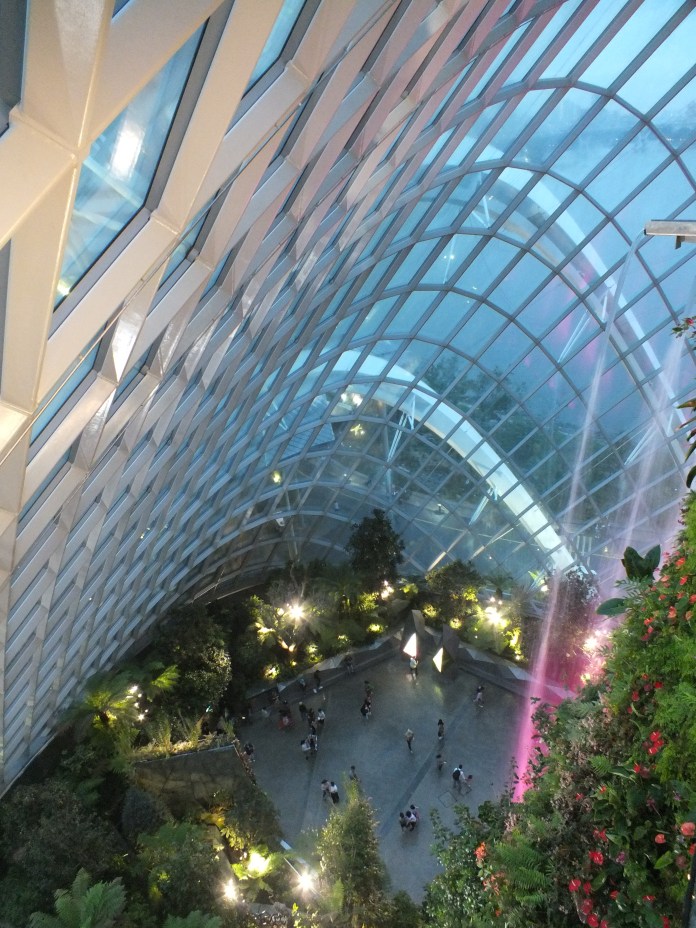
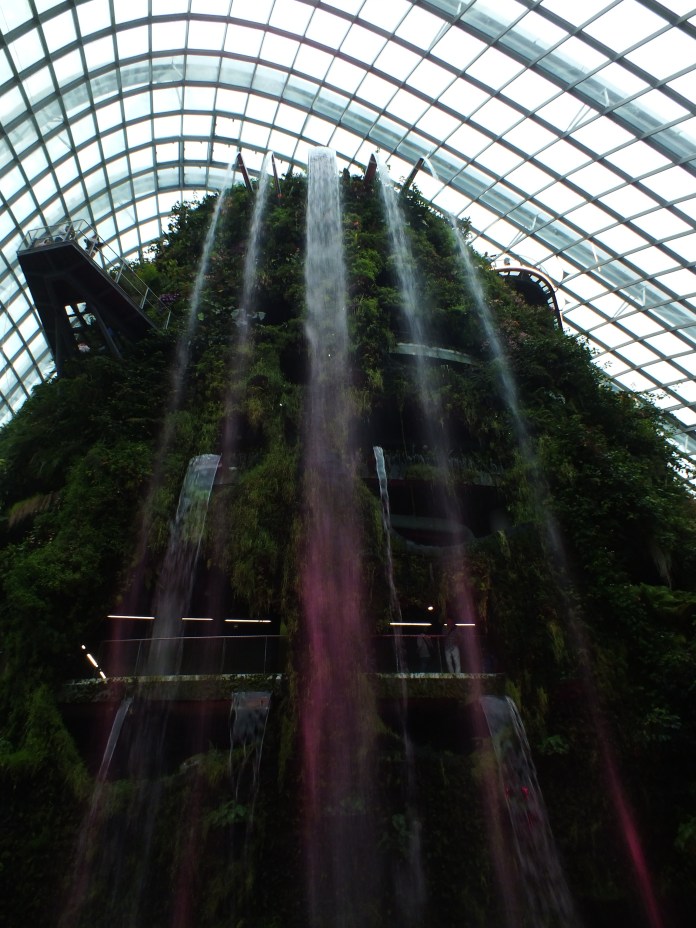
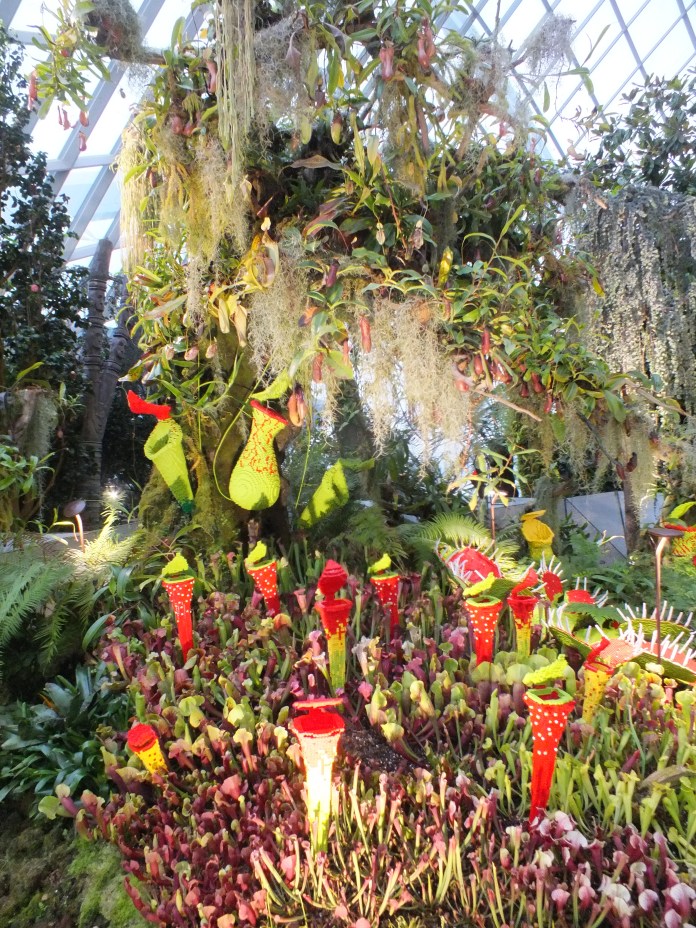
So, feeling in a mood for gardens, I went to the Cloud Forest at Gardens by the Bay, a botanical and climate change-themed amusement park. Inside a glass dome they have managed to create an artificial tropical mountain forest, complete with a 35m tall waterfall lit up in neon pink. Somehow a 200 year old forest has been established, recreating the beautiful, highly specialised natural environments that exist at different altitudes. Cloud forests are so highly adapted to their particular environments that they are especially vulnerable to climate change (rising sea levels, for example, pushes the cloud level higher) and are being destroyed at a higher rate than any other tropical forest. The dome was a very strange mixture of the real and the artificial: lego venus flytraps were dotted among real ones, carved wooden animals hid between the foliage and there wasn’t a single insect buzzing around. And that’s what Singapore felt like: exciting, often beautiful, and full of bizarre surprises and contradictions.


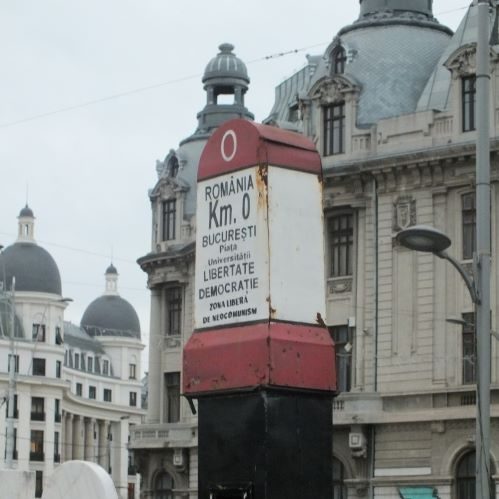
 Km. 0
Km. 0 