Willi picked me up from Sibiu on a hunt for gas. After driving around the city outskirts looking for butane for the bees and making small talk, we set off for the village of Hamba, 8km north of Sibiu. It is one of the 250 Saxon villages in Transylvania whose Saxon history is slowly disappearing. Even the road we enter on is not the original Saxon road but, thanks to a sharp kink in the road, a new one that ensures our entry is through the Romanian part of the village.
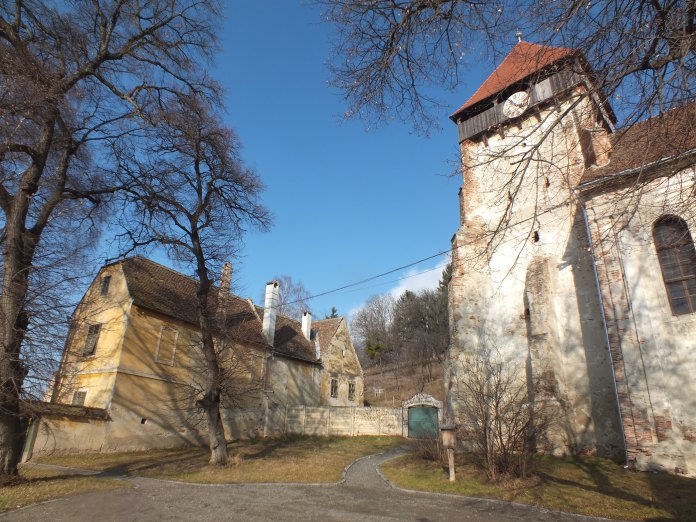
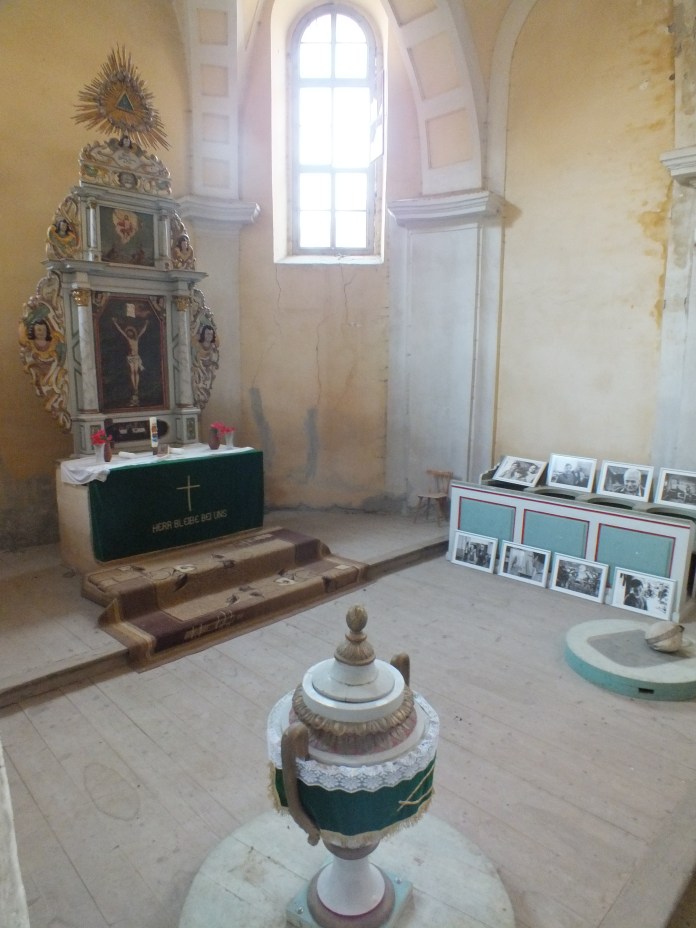
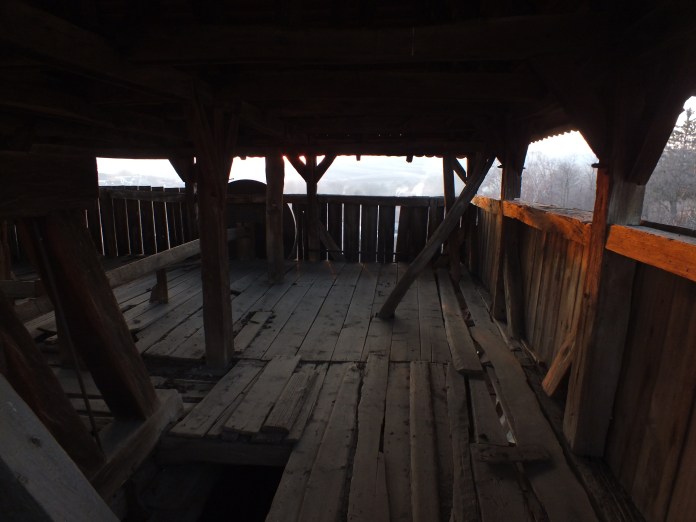
The story of the village can be told quite neatly through its churches. The oldest church in the village is the evangelical Saxon church, first built in the 13th century but whose oldest remaining part is now a 16th century bell tower and a 19th century hall. It was closed once most Saxons had left the village: they were deported, or left to avoid deportation, after the Second World War, or were then later sold to Germany by Ceaușescu, as Willi was, for around 5,000 marks a person.


A Greco-Catholic church once marked the Romanian street in the village. When the Greco-Catholic Church was banned by communists, the churches were handed over to the Orthodox Church and served the new Romanian populations that moved in. The building was not returned after 1989, and so a new Greco-Catholic church has been built across the road.
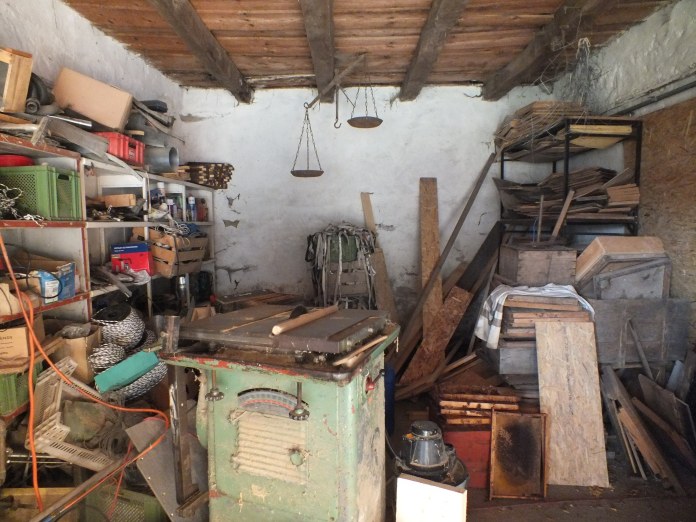
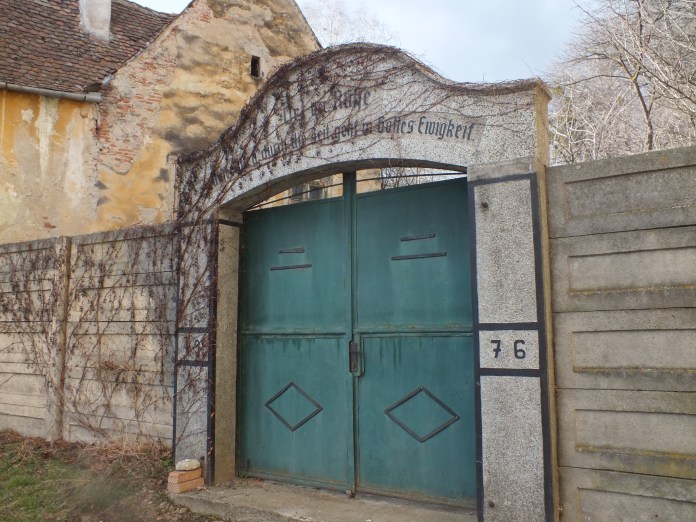
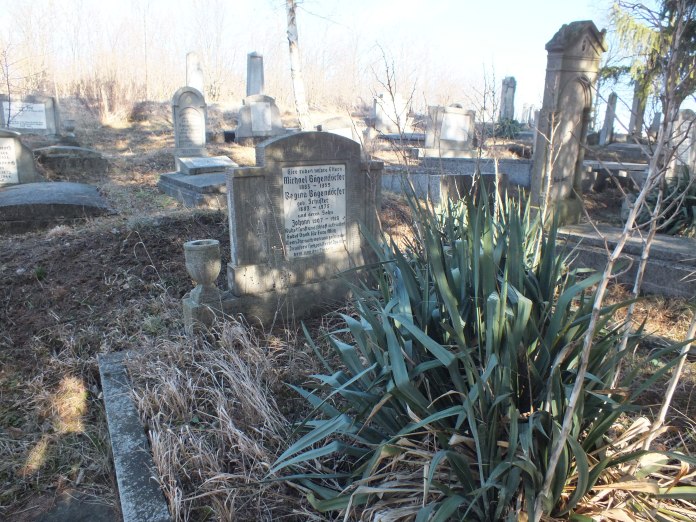
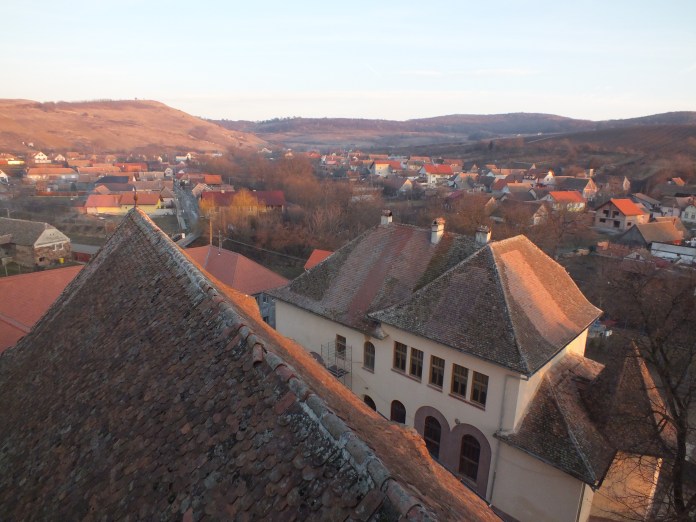
Willi rents the land around the evangelical church and the old priest’s house, which had lain empty for 20 years before he moved in. He also rents the old Saxon school next to the church, which had 120 students before the Second World War but which has long since closed. It now houses his bee business. Behind the house lies the church graveyard, distinguished not only by its use of the local Saxon dialect, but by its position on the opposite hillside from the other village graveyard.


Willi is one of the very few Saxons living in the village, though he is not originally from this village but from a town 40km further north. His grandmother was sent to Russia when her son (Willi’s father) was six years old. Afterwards she did not return to Transylvania but went to Germany. Her son tried to get permission to visit his mother when he was 18, but was refused. So he tried to swim across the Danube, but was caught and sent to prison for two years. Once marked as a political prisoner, future attempts to travel to Germany were futile. It was only in the 1970s that his mother – now remarried and with a new family – was able to come to Romania and they saw each other for the first time.
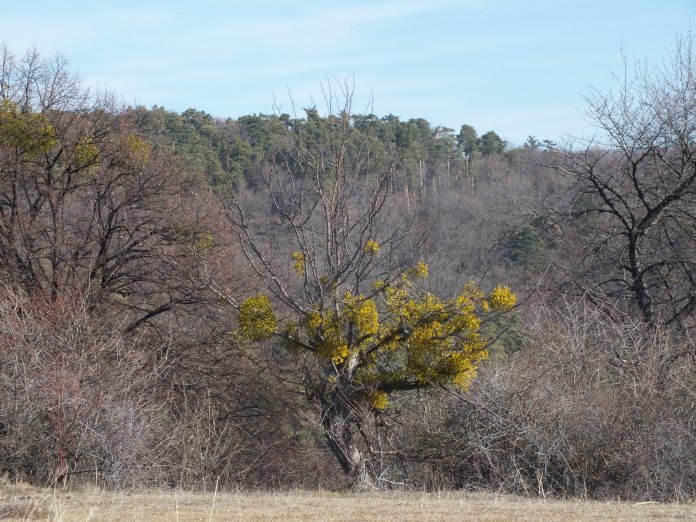
Willi and his family were sold to Germany in 1982, but in Germany their Saxon dialect was believed to be Romanian and they were seen as foreigners. Willi says he never really felt at home in Germany, and so 15 years ago he returned to Transylvania, where at last he feels good. He had studied agriculture in Germany and was working as an inspector for organic certification in eastern Europe (and occasionally central Asia). He found the old priest’s house in Hamba, with its land and spacious buildings, and set about restoring what he could, planting a small orchard and setting up an apiary which has grown into a very successful business. The village is perfect for bees, surrounded on three sides by forest, and with a vast abandoned orchard in the neighbouring valley.
But while business is booming and demand for honey is stronger than ever, there is no one in the village to employ. The young people have left to go to England, Germany, Austria, France, Italy and Spain. Those who are looking for work are those who have returned from the west with health problems – and unable to do the manual work that is needed.

Willi is rude about the Romanians (he distinguishes between the old and new Romanians), and rather more kind towards the gypsies. But it is not simple cultural hostility. In my bedroom, the old priest’s office, the bookcases are filled not only with German and French classics, but with well-read Romanian ones – Mihai Eminescu, Ion Creangă, Ana Blandiana, Lucian Blaga.
The hostility is personal for Willi. Every year he sees another fortified Saxon church crumble into ruins, or an old Saxon house pulled down to make way for a new Romanian one. He points out Saxon houses which have been bought by Romanians and whose roofs have been immediately replaced to be less Saxon. With fewer than 30,000 Saxons left in Romania, the church cannot afford to keep up the maintenance of these buildings, and the local communities and councils have no interest. While there are plenty of articles written about Saxons returning to Transylvania – the story is very popular among journalists – the numbers are negligible given the speed at which the buildings and culture are collapsing. It is, Willi feels, an 800-year history being wiped away.
Yet the place overflows with life. A shaggy, creamy Carpathian Sheepdog leaps in the air every time anyone walks past, two cockerels compete for attention, five doves coo obliviously in their dovecote, a pregnant cat lounges on top of the stove (her kittens will be given away as gifts to loyal honey customers), and two enormous sheep are spoilt morning and night with hand-fed corn. Willi’s young children visit from Sibiu speaking the Saxon dialect, defying the empty church and graveyard between which they live. And when the sun comes out and the air becomes uncomfortably warm, out come the bees buzzing noisily and reassuringly, reminding us to get on with life.






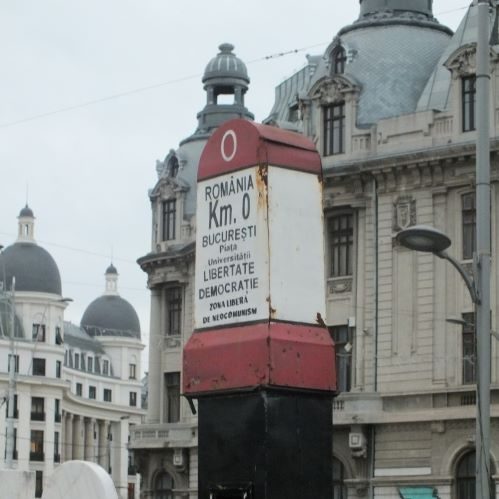
 Km. 0
Km. 0 