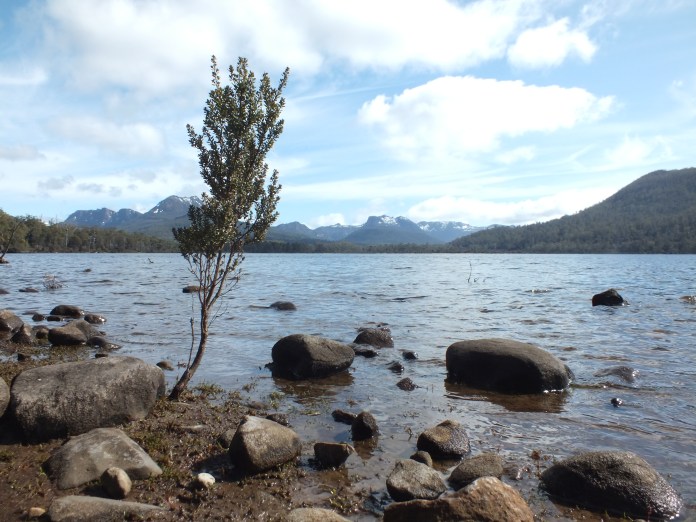
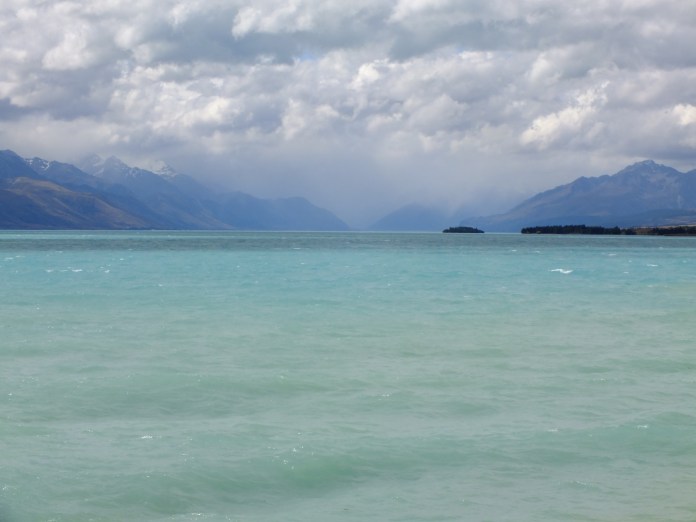
Mount Cook and Hope Arm

dscf14231

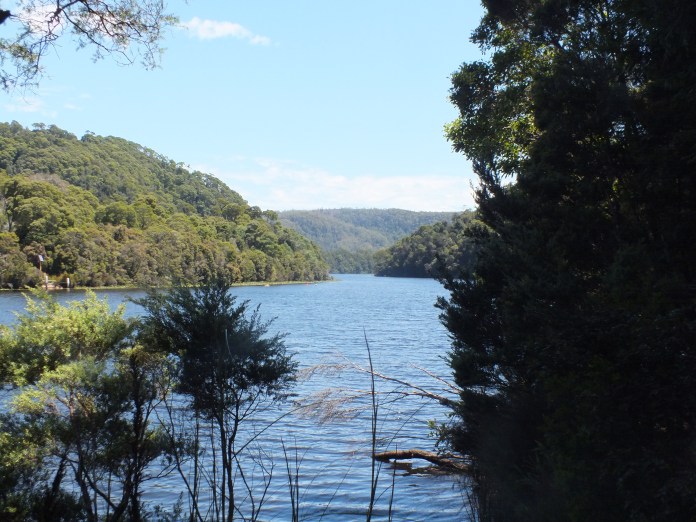
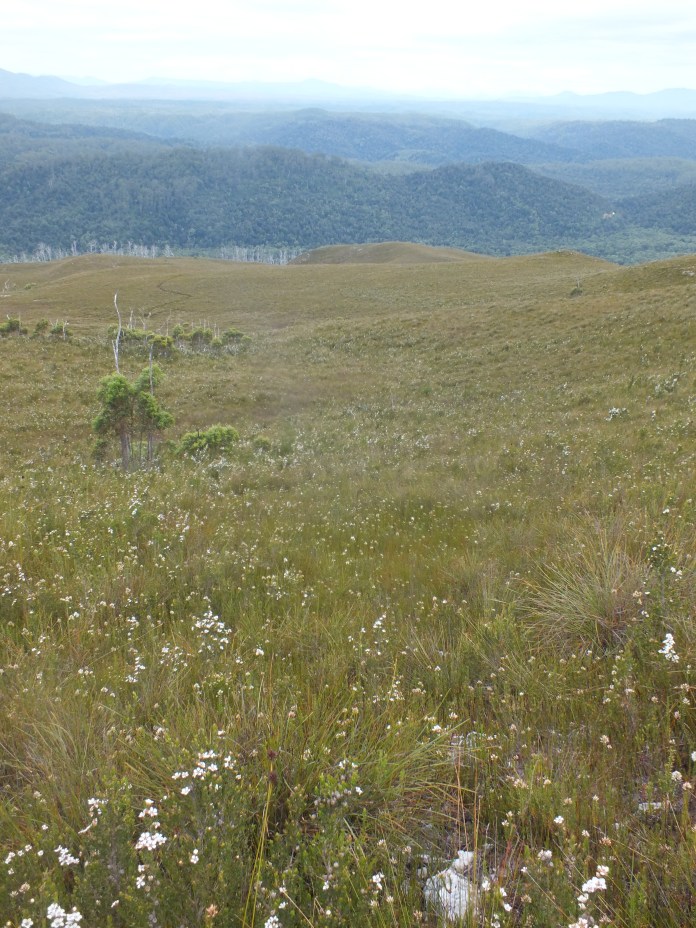
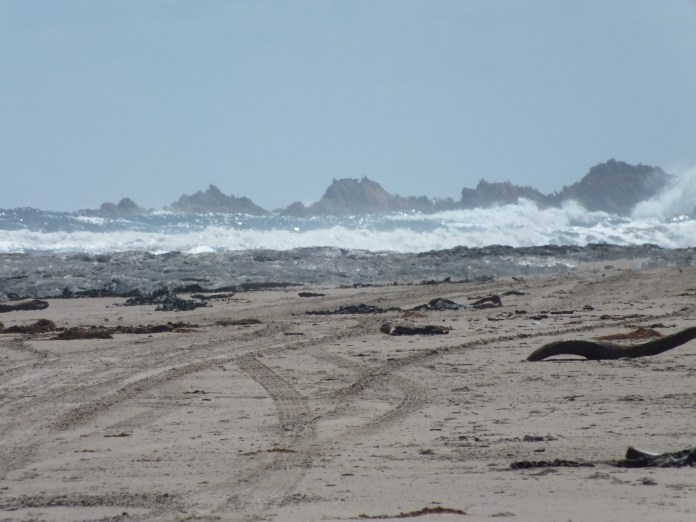
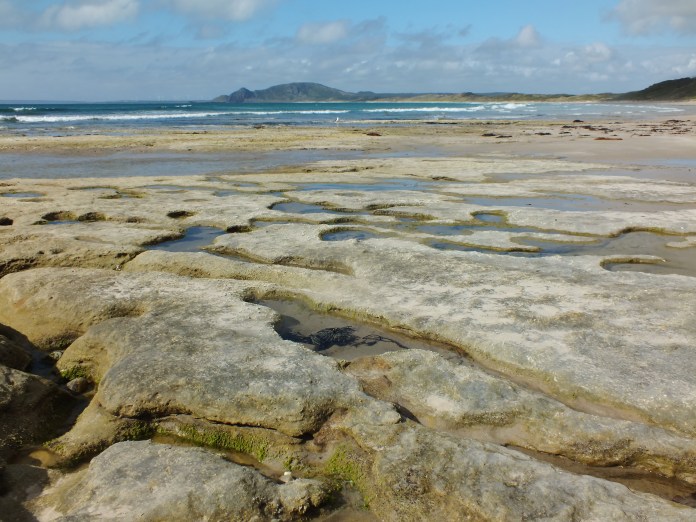
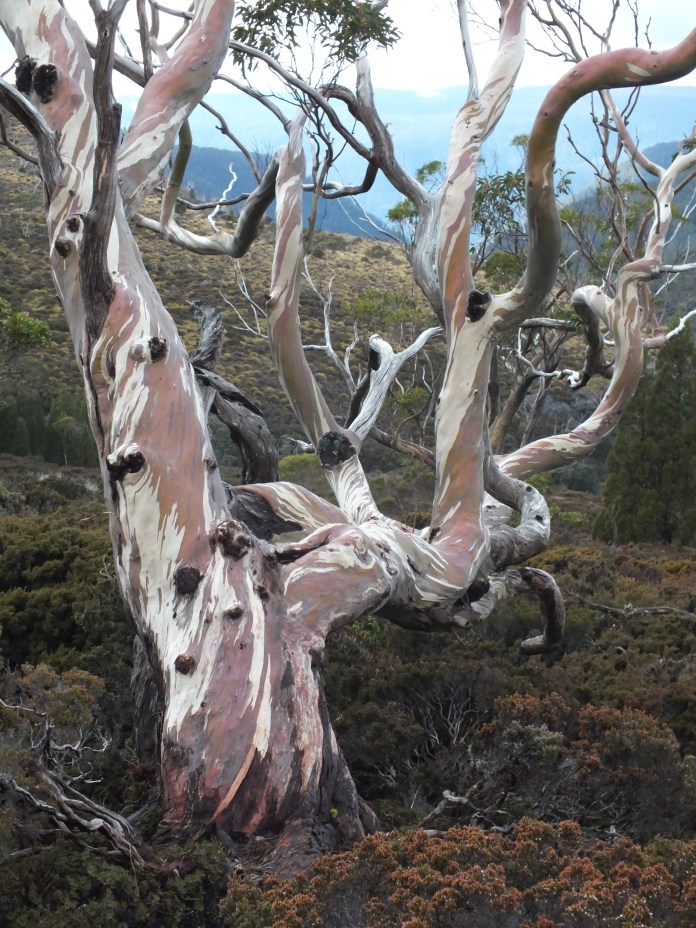
Come, come to New Zealand, land of pristine wilderness and rugged adventure, say the adverts. So everyone comes flocking. And now it’s difficult to get a view of any glacier or lake for all the tourists posing for photos in front. Conversations with other travellers usually involve some complaint about how many tourists there are (without a hint of irony). Tourism is New Zealand’s main industry and it really does feel industrial, like we’re being managed, farmed, harvested, and are domesticating the landscape. But there is a reason everyone comes here, and it’s not hard to find your way off the main track and into the wild.
dscf09341

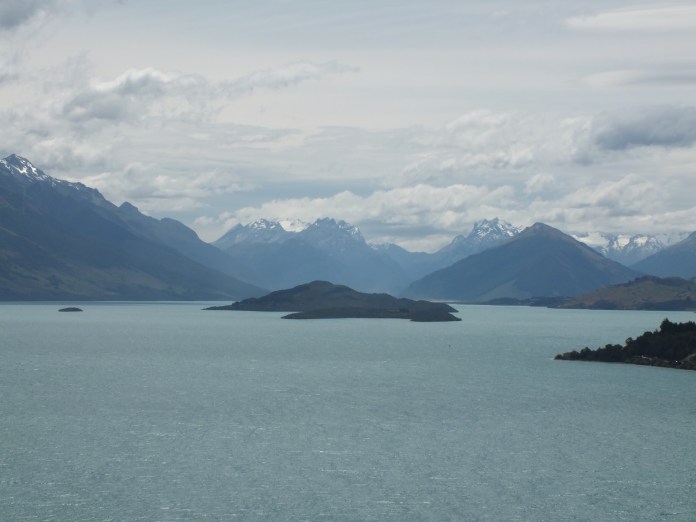
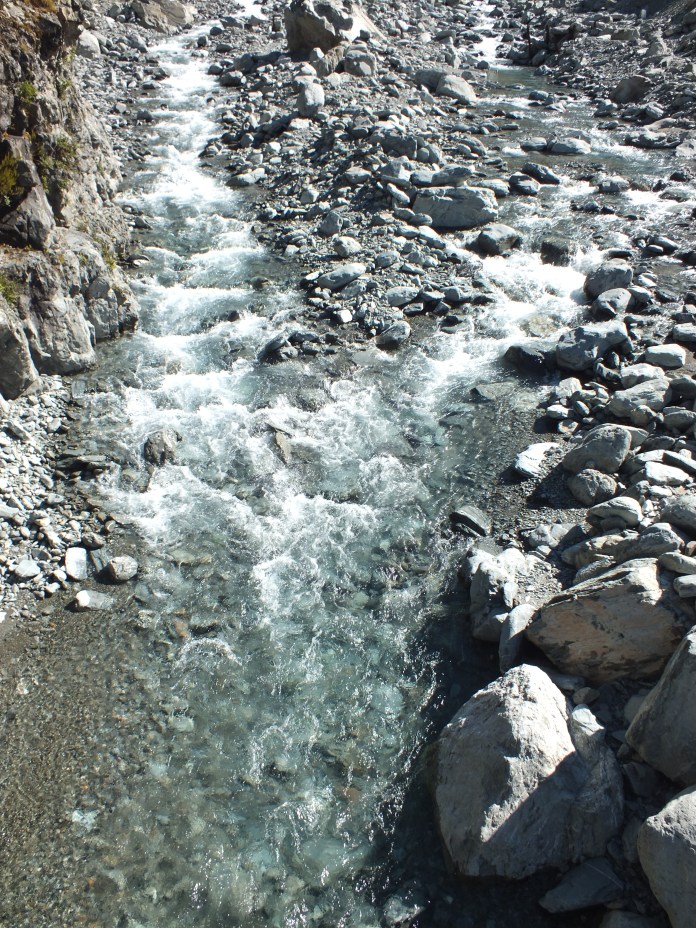
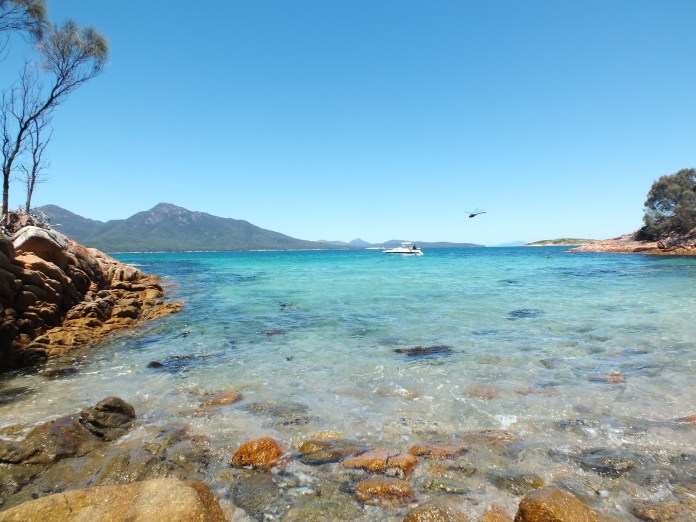
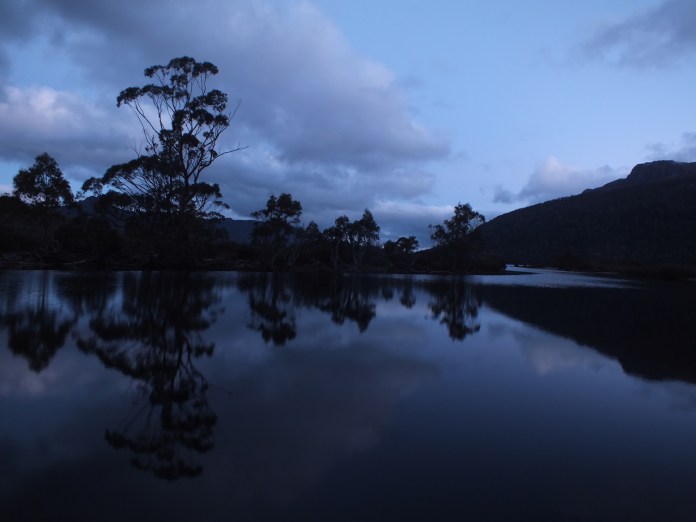
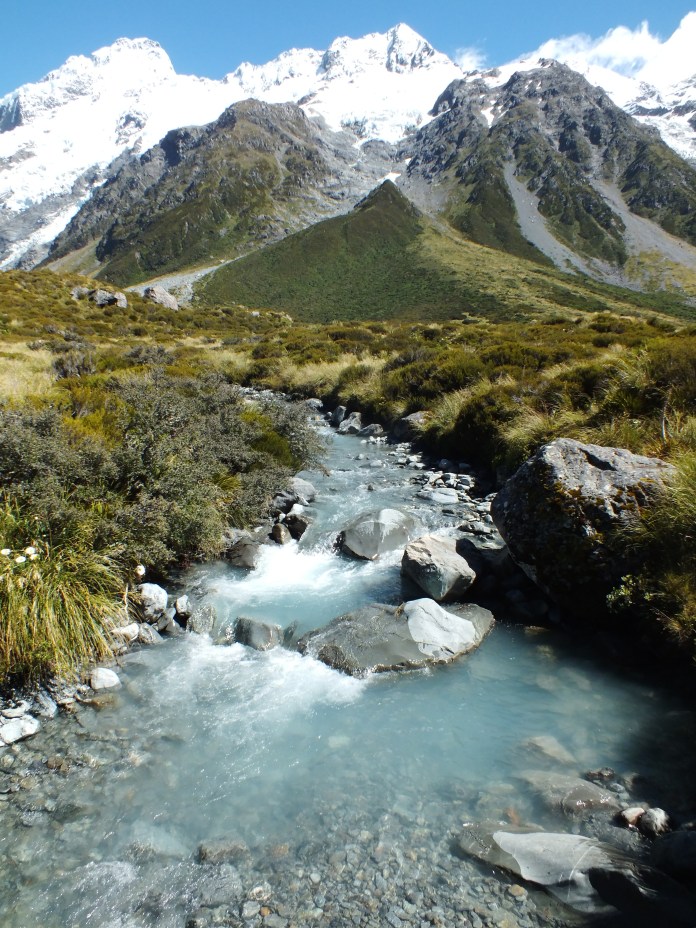
The first thing I noticed, and still can’t get over, is the colour of the water: bright turquoise rivers and lakes glowing with mineral energy, or icy grey rivers flowing with the milk of glaciers. Quite different from the crystal turquoise waters of Tasmania. Behind the water always lie mountains – the real things (they put Australia to shame), with snow-capped peaks, and growing at meteoric rates.
dscf10151

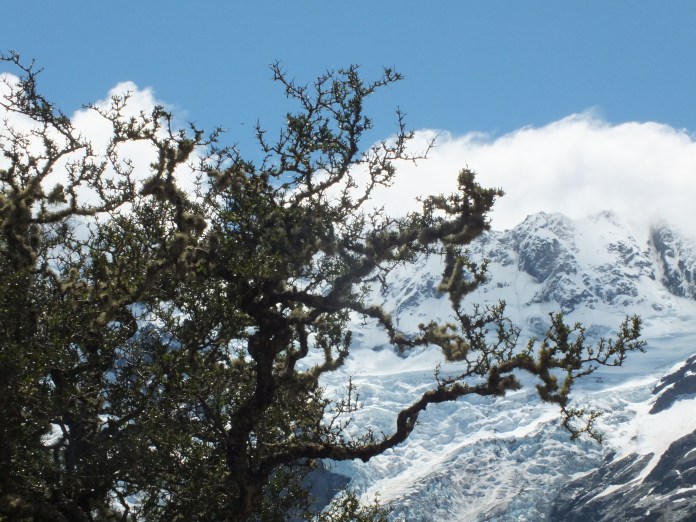
At the foot of Aoraki/Mt Cook, the tallest mountain, I think I found a lost paradise: a glade of raspberries, redcurrants and gooseberries among foxgloves, lupins and tall grasses, encircled by lichen encrusted trees. In the distance stood the glassy peak of Mt Cook, and as I gorged on fruit in the sunshine, the valley rumbled with the thunder of falling ice.

dscf11211

That night, camping below the mountains, the wind picked up and a gale grew. My tent billowed and shook, the roof pressing down to brush my sleeping bag, the walls huffing and puffing with the exertion of staying up. Sleep was impossible. A loud, distant roar would anticipate ferocious gusts.  All I could do was lie there and hope my weight would stop the tent blowing away. In the morning I took cover in a nearby shelter where the people whose tents had broken were sleeping. It was no hurricane, but I’ve never felt winds like them: inside the shelter, the wind through the air vents was enough to blow out my stove, and the draft coming up the toilet was enough to stop you needing to use it. What, I asked a lost-looking climber, can you possibly do in weather like this? Go to the pub. So I got the first lift out as fast as I could.

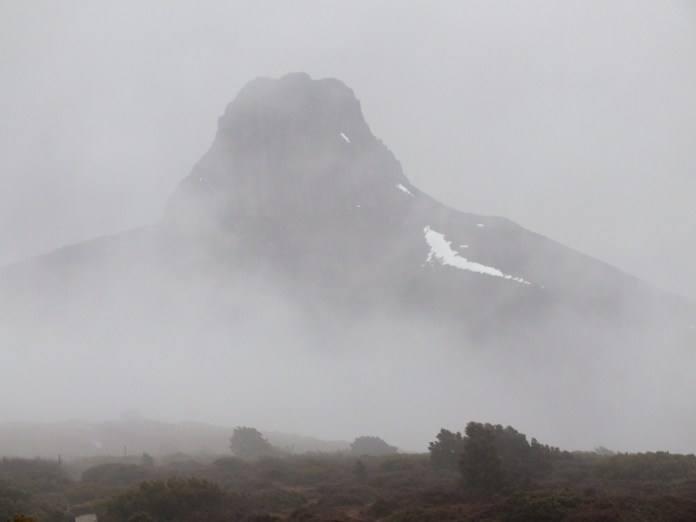
This is what most of the views have actually been like:

dscf11681

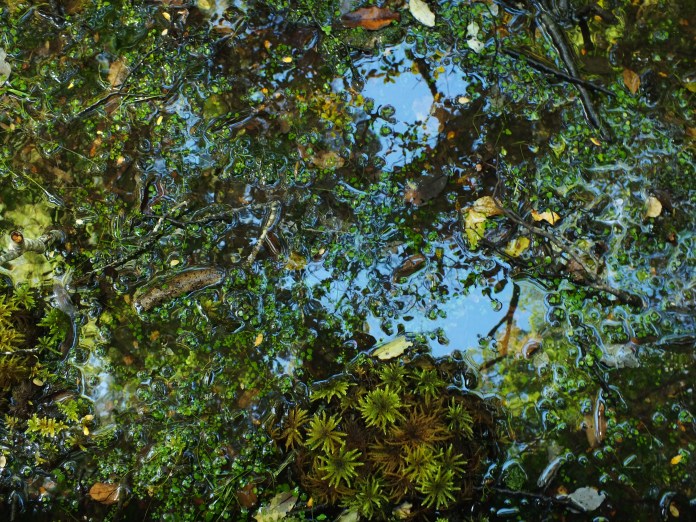
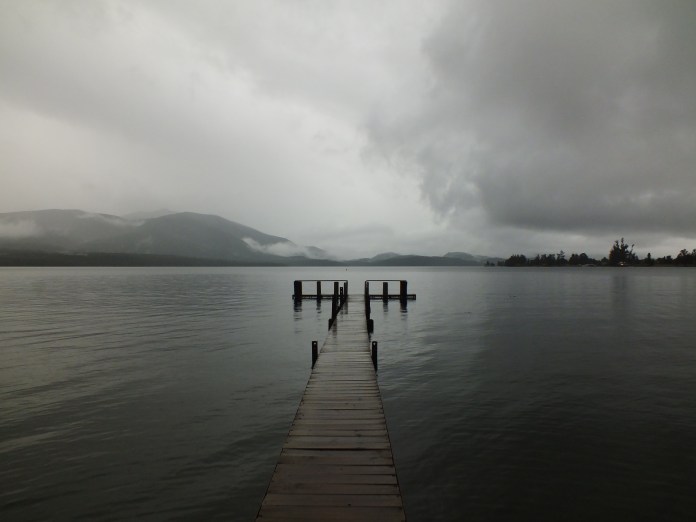
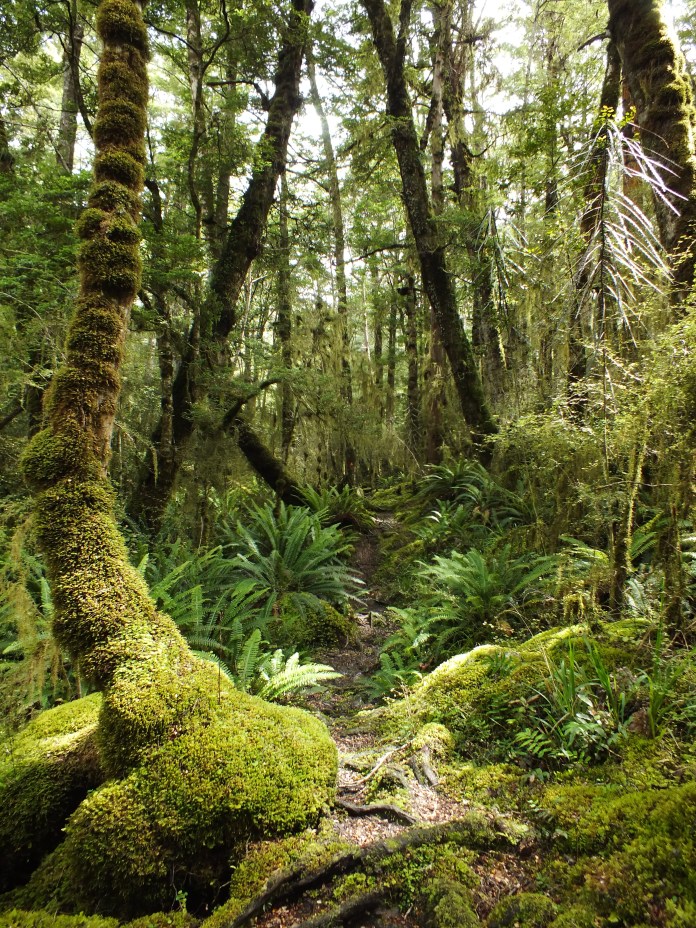
The weather this summer has been foul (they promise it’s not normally like this). Rain, wind, rain, wind, rain, wind. There’s something apocalyptic about it. The world’s storm is hitting hard, the glaciers are disappearing. But it feels somehow appropriate for New Zealand, which rose from the waters through earthquakes and volcanoes. Before the arrival of people, everything that grew here blew here or flew here. It’s a world of ferns, mosses and exotic birds.

dscf11621

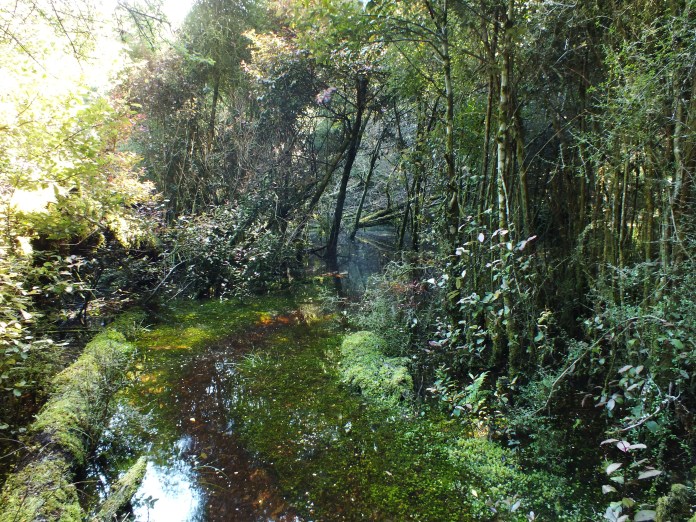
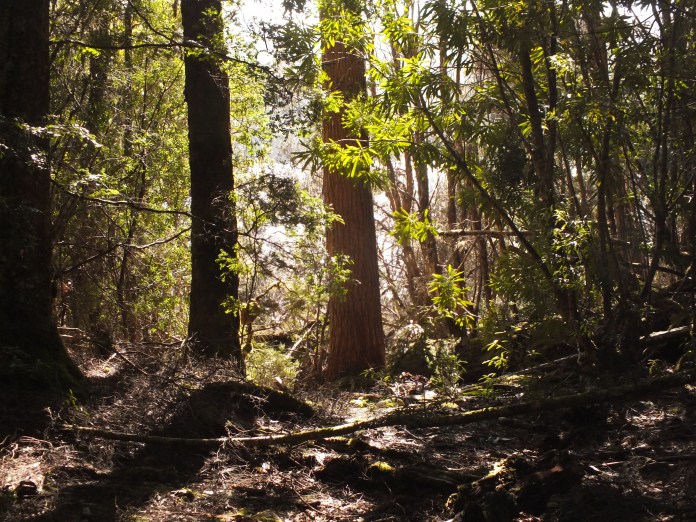
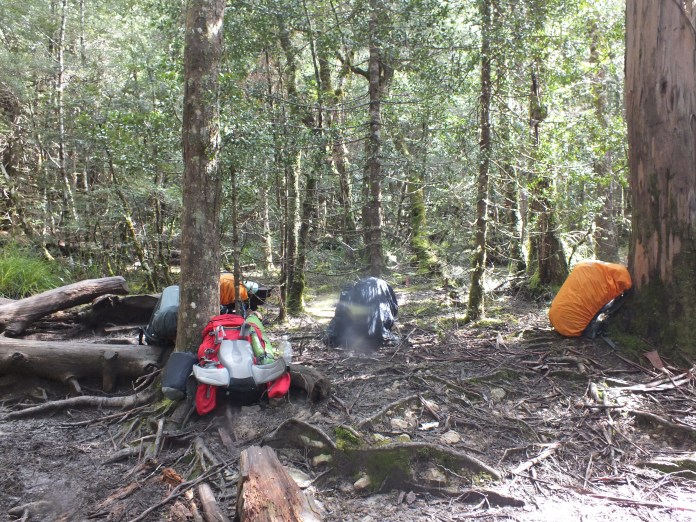
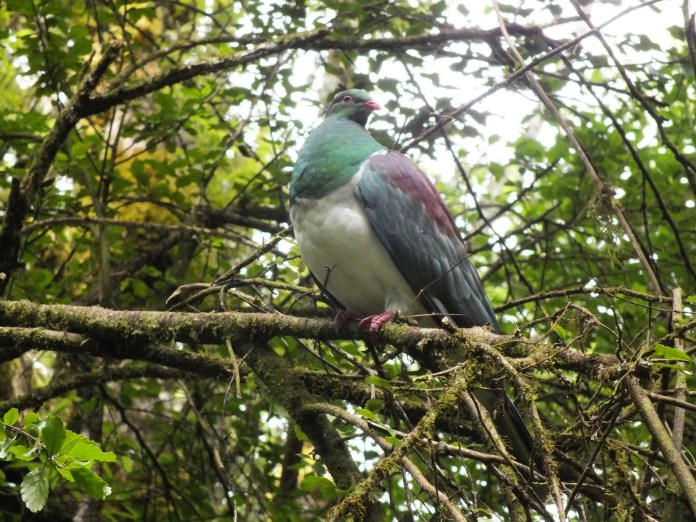
Fleeing the chaos of holiday parks and campervans for the rainy calm of the forest, I took a boat across a small river and began an overnight walk, with only the birds for company. Fantails would nervously hop closer and closer, peeking out from behind branches until we were staring at each other in silence. The path became flooded and walking became wading. I reached a river and saw orange markers telling me to cross it. There was no bridge, but the markers were unmistakeable. I held my camera up high and walked in up to my waist, feeling exactly like the adventurers I dreamed about when I was nine, with my pack on my back and explorer’s hat on. Then as I was climbing up the river bank I realised I’d forgotten to take out the pieces of paper in my pocket, including my map. So much for being the proper explorer.
dscf14151

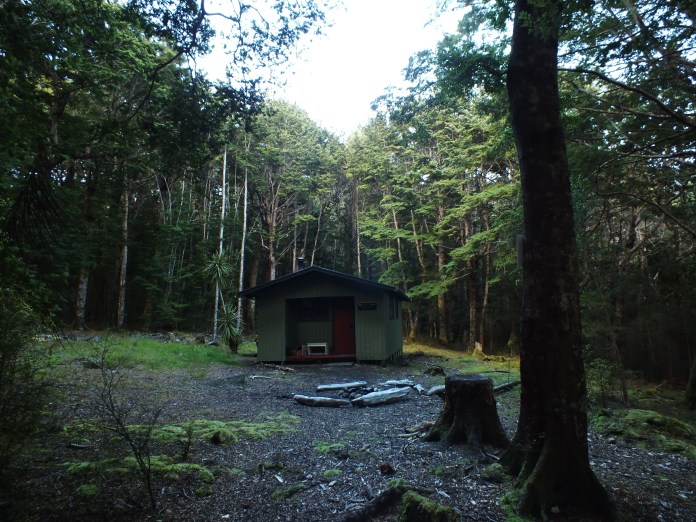
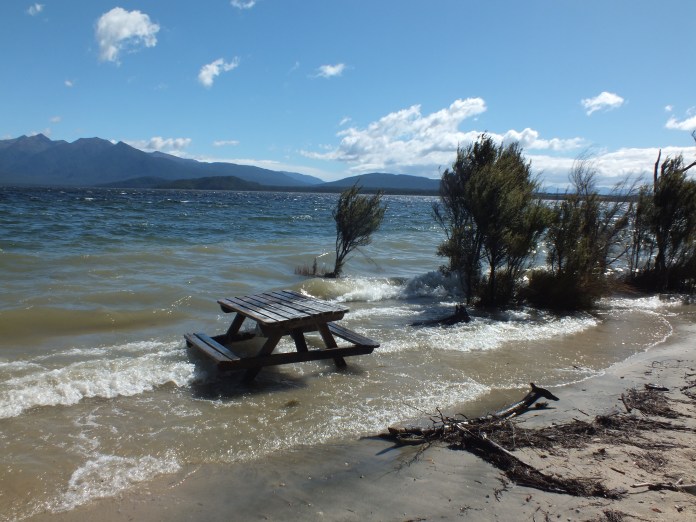
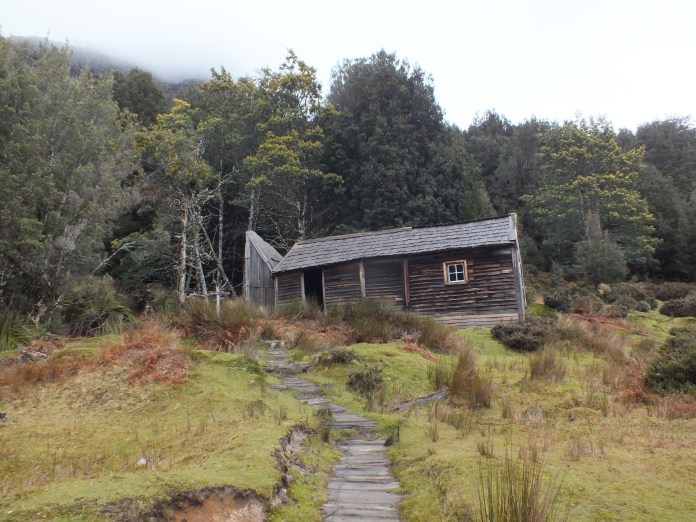
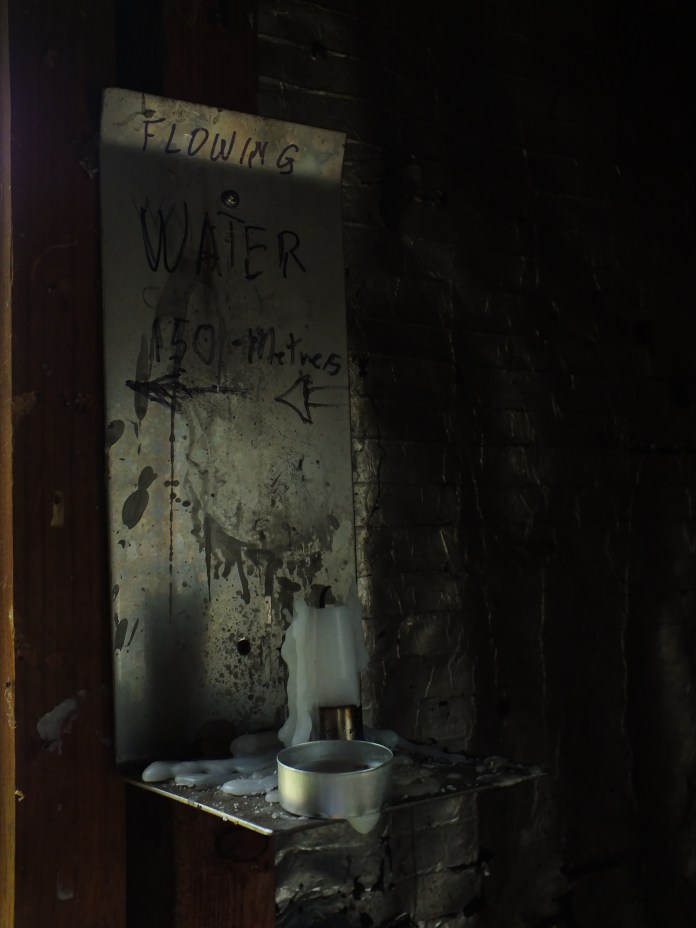
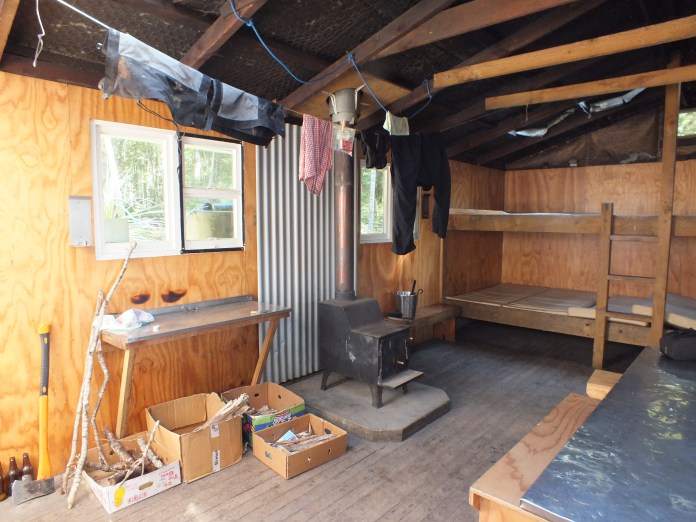
There’s a fantastic system of backcountry huts right the way across New Zealand, often beautiful wooden sheds with fireplaces and plenty of candles. This one was at the edge of the forest by the shore of Lake Manapouri, and I had it all to myself (and the mice). The next day I had to cross a three wire bridge across a large river, a kind of tightrope walking exercise with the help of handrails. It was so much fun – and the sort of thing people pay tons of money for on their kiwi adventure tours, but here I was having my own proper little adventure all for free, in the real wild and with no safety protection at all!
dscf13681

dscf13641

The next hut was a real hunting hide out and full of gun magazines. I headed up towards a lake and my meditation was interrupted by a half-eaten rat, feet poised in a crouching position and tail alert. I froze, then noticed a pair of pale blue eyes peeping out from the grass. A small kitten lay there, terrified. How the hell did a kitten get there – it’s miles from anywhere, across a river, and there aren’t supposed to be any mammals here. I continued on, wondering how I could believe what I was seeing. And then I came across a massive green skull (a moa skull, from that giant extinct bird?!), and was convinced I was hallucinating. Too much isolation, too many berries, too much water in my shoes. There are all sorts of rational explanations now of course, but it was a useful excercise in self-doubt and challenge to empirical norms. I think I must be absorbing the land mysticism which is so much a part of modern Kiwi culture. It’s a strange country and we’re doing strange things to nature.

dscf13601

dscf13401

dscf13251

dscf12551

dscf13481

dscf12011

dscf14271

dscf12291

dscf11451

dscf10841

Standard

Christchurch

dscf08931

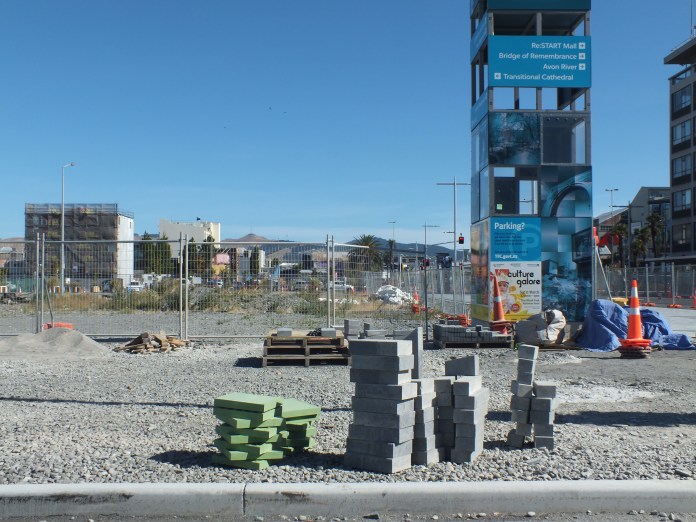
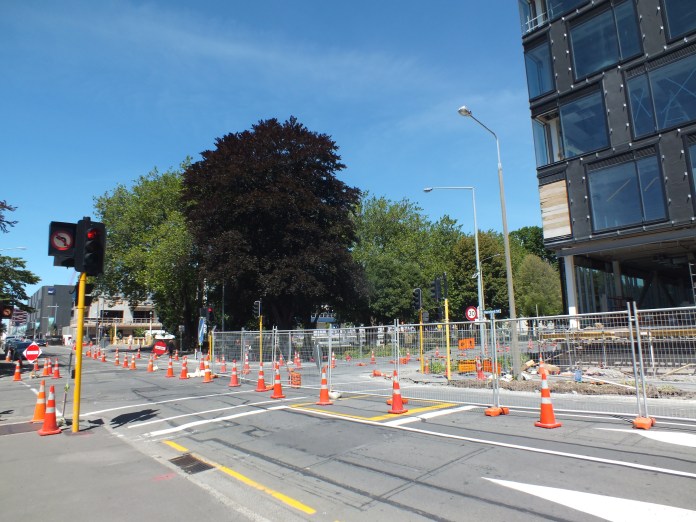
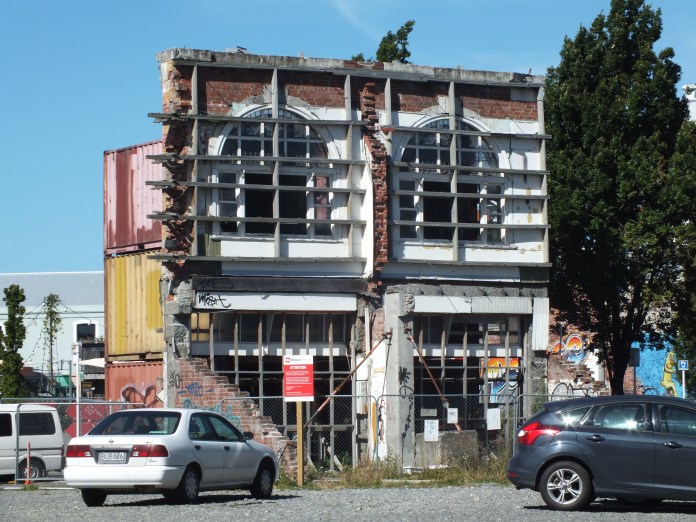
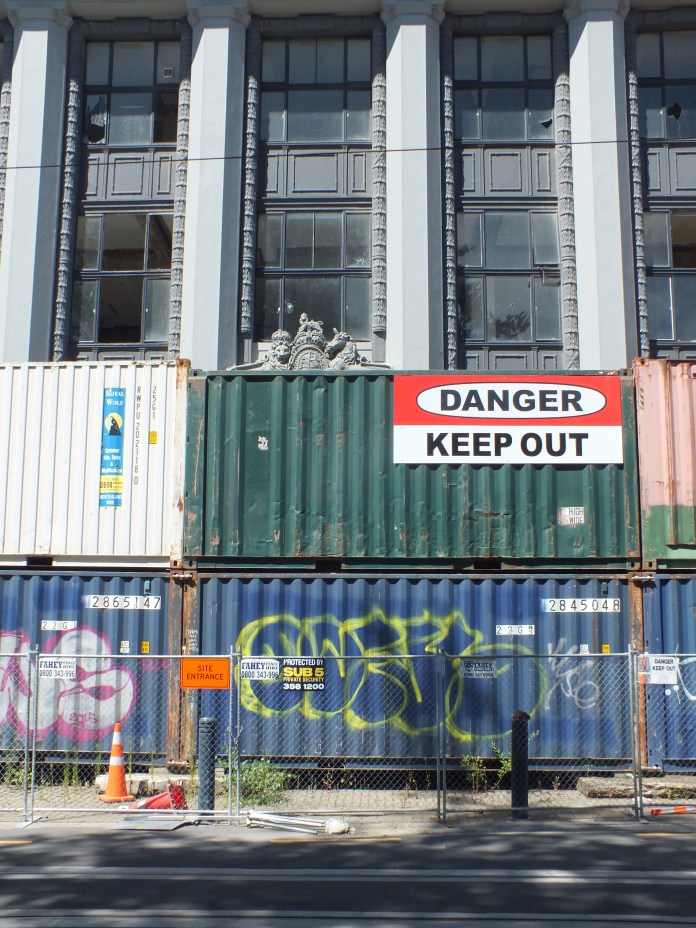
Christchurch, the ‘Shaky City’, is a giant building site. Almost six years on from the earthquake, the city is slowly rebuilding and adapting to its new life. Pavements are closed, streets are lined with orange traffic cones, and where buildings once stood there now sit car parks or open squares of rubble. I knew there had been a big earthquake, but I hadn’t really realised how much of an impact it had had – the city has almost disappeared. It’s a powerful reminder that cities aren’t as eternal and stable as they might seem.

dscf08681

There are hints of what it once looked like: the River Avon winds along between Oxford and Cambridge Terrace, with punts being driven by men in straw boaters and striped blazers. Between the willow trees and ducks stand small palm trees. A few neo-gothic buildings remain, and one street of old French-style shop fronts survives.

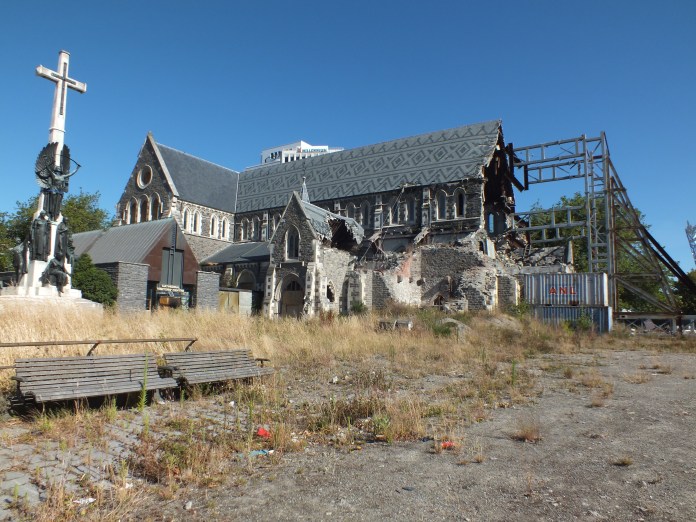
But otherwise the city has gone. At the centre stands the cathedral, the spire completely collapsed, leaving a gaping open front. The scaffolding which was put up to support the tower (but which only caused it to collapse completely) now stands redundant, barely touching the ruins. A congregation of pigeons lives among the wisps of plastic and broken wooden beams. Just outside the barrier is a small chapel-shaped viewing platform made of plants and flowers, with an orange traffic cone for a spire. While legal battles force this old cathedral to stand frozen in its collapse, a new one has been built out of cardboard and shipping containers.
dscf08081

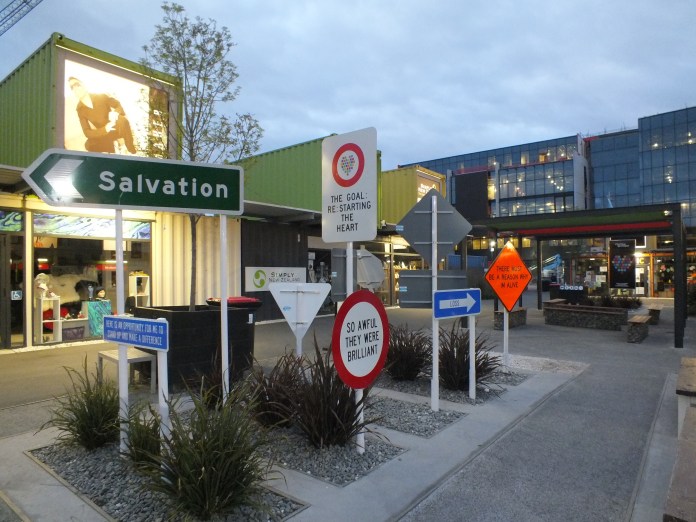
It was shipping containers that came to the rescue in 2011. Shops, banks, service centres were temporarily housed in them. And they still are. The central mall is a maze of shipping containers – most buildings are yet to be rebuilt. And people have really taken to them. Amongst the gardens and murals that have sprung up in the countless parking lots are shipping container cafes. Everything can be moved around as pleases. It all gives the city a kind of colourful, jigsaw feeling – of making do, and in great style.
Life goes on. The international busking festival was taking place so the streets were full of fire eaters and unicycle riders and hand standers, and always with massive crowds. I found a lovely farmers market on the bank of the river, where at lunchtime the construction workers (there are a LOT of them) sat among the ducks. And shipping containers are perfect for street food, so there’s heaps of lovely food.

dscf08291

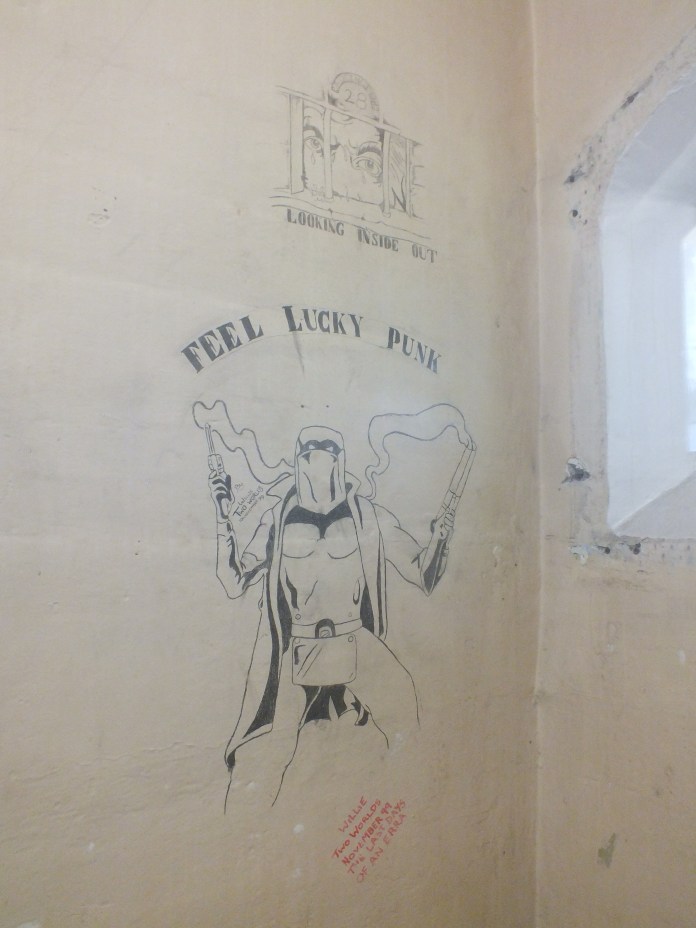
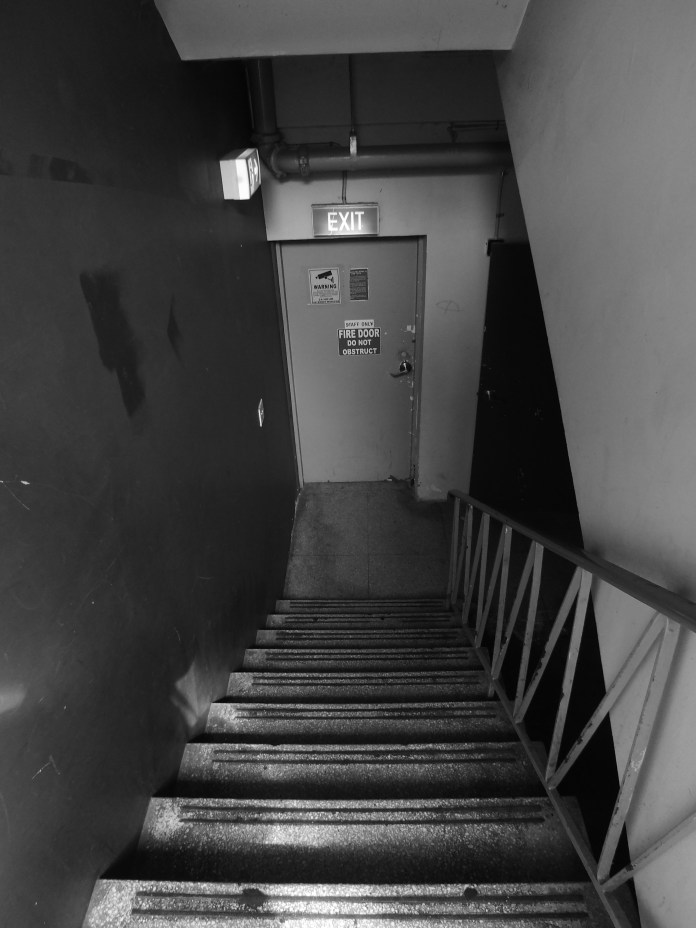
I decided to incarcerate myself in jail – a historic one though (nothing to do with the sniffer dog at the airport that wouldn’t stop clawing my leg). It only stopped being a prison in 1999, and one cell still has drawings on the wall from one of the last inmates. They’re slightly sinister but drawn like sad graffitti, messages to future strangers. ‘ONLY GOD CAN JUDGE ME’ and ‘NOVEMBER 99 – THE LAST DAYS OF AN ERA’. The small cells and large open central space actually work really well as a hostel. It also seemed to give everyone an aversion to locking doors – ironically (or deliberately?) it felt one of the least secure hostels I’ve stayed in!

dscf07861

dscf08611

dscf08221

dscf08331

P.S. Sorry there aren’t more photos. I’m trying to do this while camping and it’s hard to find computers!


Standard

The Tarkine

dscf06401

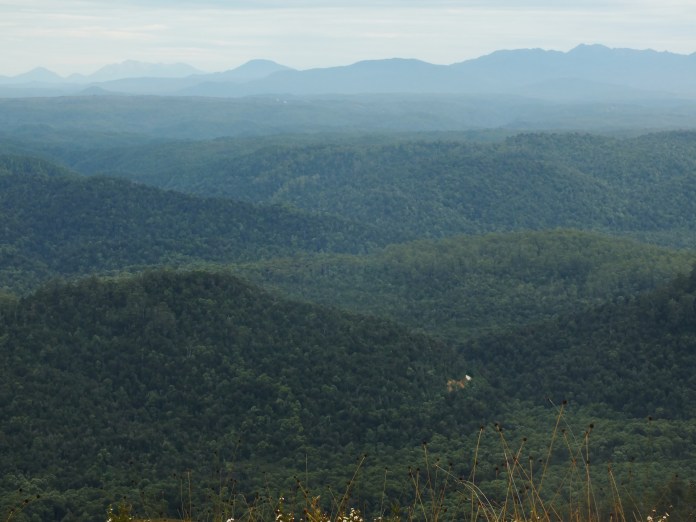
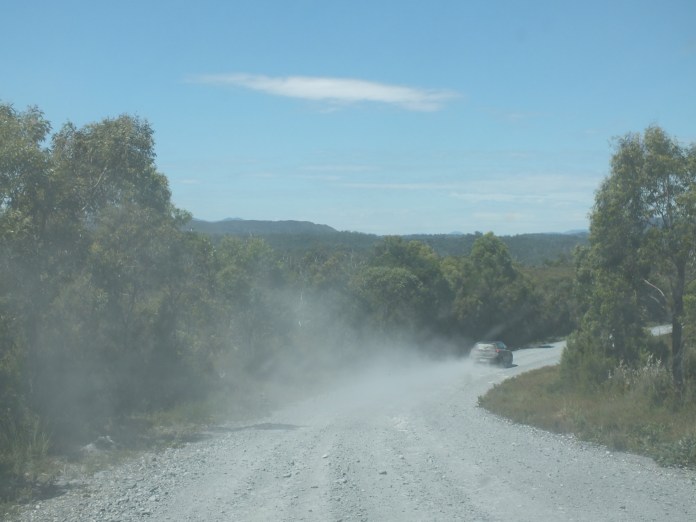
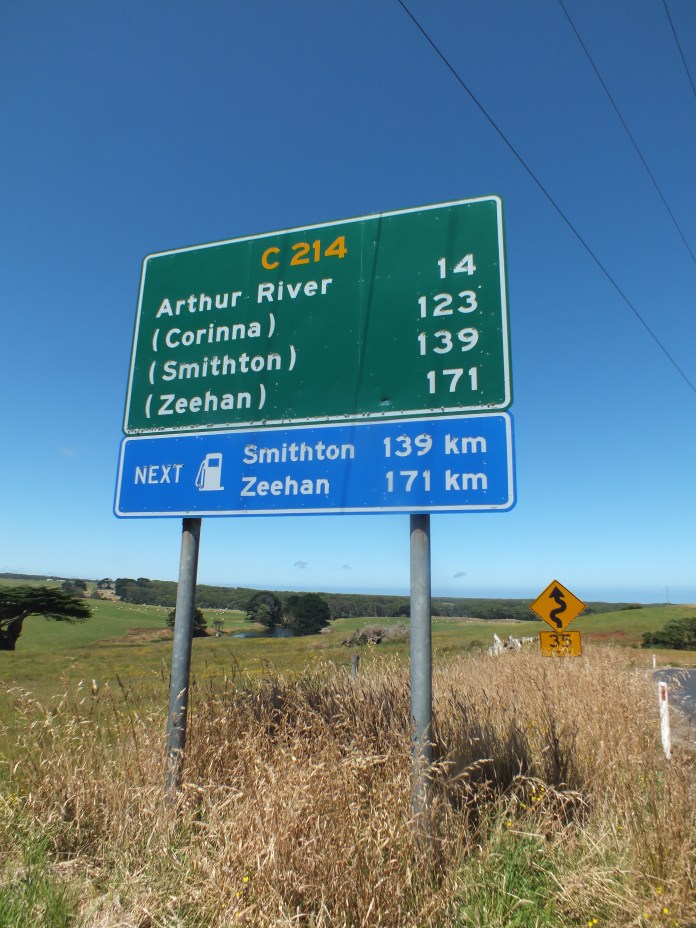
The Tarkine drive is slightly controversial, and I felt rather guilty for being able to drive straight through it, but it was so beautiful. We passed through forest for logging and fire damage before reaching the panoramic views of forested hills and mountains, and then descended into rainforest. We arrived at the ghost town of Corinna, an abandoned mining town which is now used as a ‘wilderness lodge’.  The camping spots were idyllic, on the banks of the Pieman River and underneath giant manferns, but were absurdly expensive – just because they can be, I suppose. Fourth item lost: my watch (that was actually useful).

dscf05701

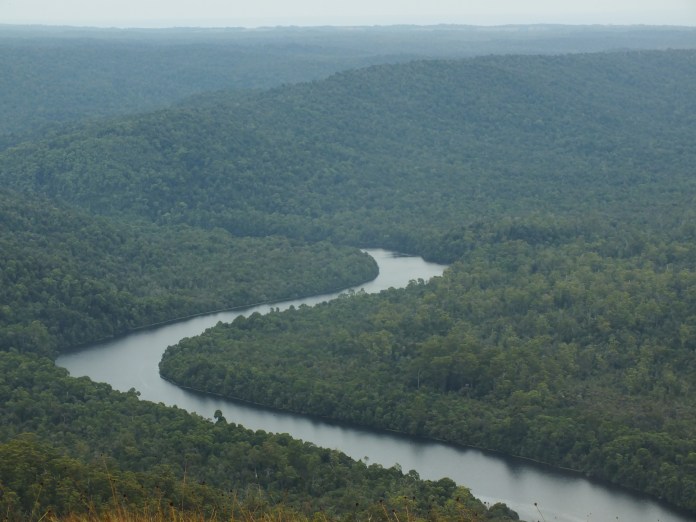
I went on a final walk with Melanie up Mount Donaldson, again posing for photos and mapping the route. We passed through thick bush and then climbed up to exposed mountainside covered in flowering tea trees, with incredible views of the Pieman River snaking through the forest.

dscf06651

Back in Corinna, I realised how stuck I was – in the middle of nowhere with no way out. Hitchiking wasn’t really going to work. I contemplated begging, and asked a few people, but nothing before the following day. Then, as I sat on a log (far away from the baby snake just spotted), another miracle: a Frenchman came up and asked if I was looking for a lift. He didn’t say he was going anywhere and said he could take me south to Zeehan or to a beach where there might be a nice sunset – all a little vague, and he looked pretty cocky and not someone I would get on with, but I badly needed a lift. While he packed up his car, I ran off to see the huon pines, Tasmania’s famous tree which is incredibly slow growing, hard-wearing and water resistant. They were decimated by logging, but not all were cut down. These ones survived because they had become misshapen through flooding. I’d expected something more ostentatious, massive moss covered trunks or something, but they were rather small trees, wizened and grey with little, unremarkable leaves. I guess that’s why the early loggers didn’t worry about cutting them down. Or perhaps it was just the anticlimax to six months of hype about the huon pine.

dscf06981

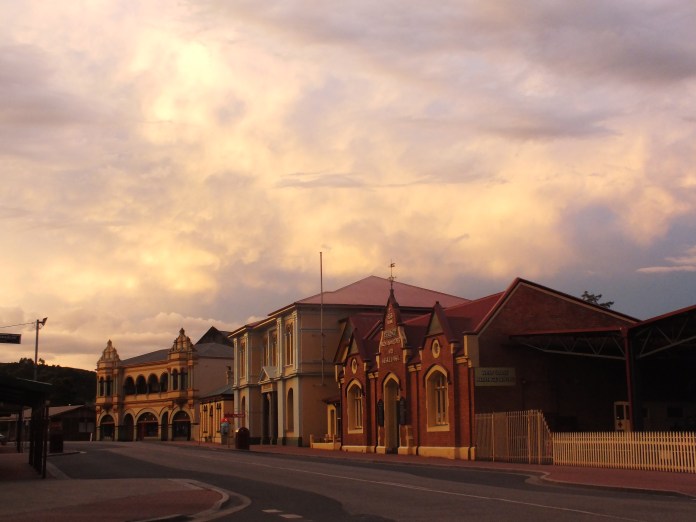
Back at Corinna, Julien had finished rearranging his car and bought a ferry ticket to cross the Pieman River. It was a squat platform more like a barge than a ferry, and was pulled across by a cable, taking one car at a time. Once we were were across, we were flying down the gravel. Julien had been in Australia for more than two years and had turned bushman, living in his car or tent, moving from one national park to another, roaming wild and befriending kangaroos. He’d only just discovered Tassie but had fallen in love with it. We arrived in Zeehan and stopped for dinner. Out came the french kitchen – garlic, knives, chopping boards, pans, avocado, grated carrot, pink rock salt. In minutes we had a feast. The sky which had clouded over now opened up to cast a pink light over the deserted high street, another relic of a bygone mining era. And then the clouds returned, the sky blackened, the wind picked up and a storm began. We pitched our tents right in the middle of town by the official monuments, but soon heard the sounds of drunk people shouting and crashing into things. We tried to avoid being seen, but were hardly going to be missed. However, they were the nicest, politest yobs I’ve ever encountered, telling us about their mining jobs, the glorious past of the town, and the story of the Pieman River (named after a convict baker in the vein of Sweeney Todd). And then they apologised for keeping us awake and left us in peace. They might as well have stayed though, because the storm which followed was terrible, blowing rain through my tent, shaking the fences and roves and making sleep impossible.

dscf07091

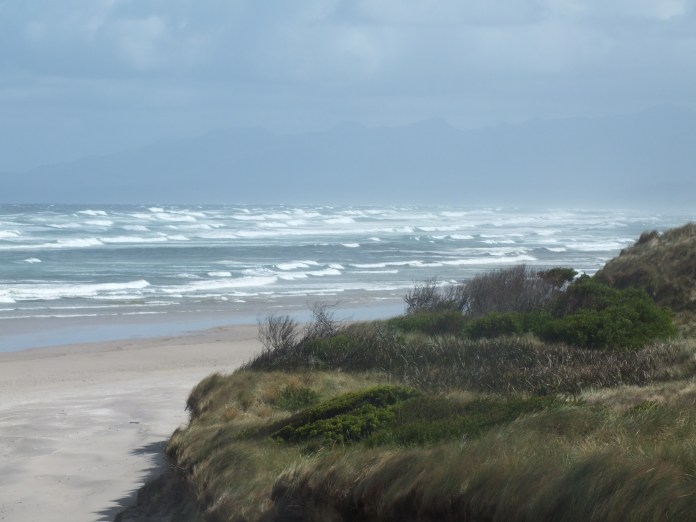
The following morning we scooted off quickly to have breakfast at a scenic lookout (out came the French kitchen again), then headed down to Strahan. The ocean looked rough: waves crashing as far as the eye could see, both ahead and to either side. The seagulls struggled just to stand still, doing funny little sideways walks when the wind got too strong. It was a spectacular sight.

dscf07201

dscf07391

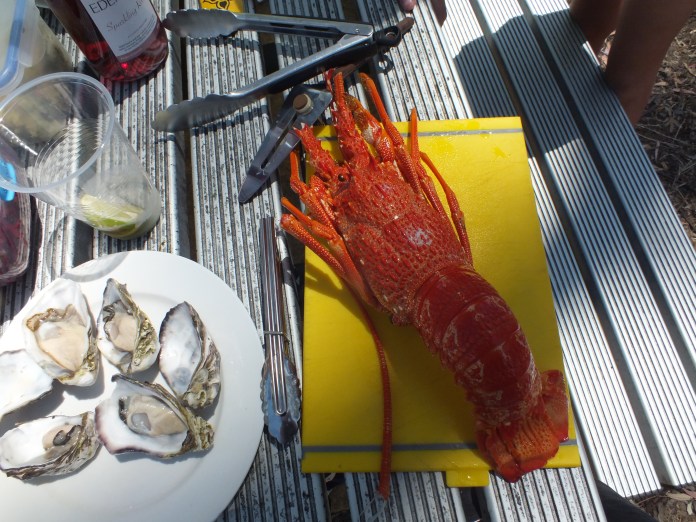
My second lift of the day came from a local, who needed someone to talk to about his family crises. It felt like a therapy session. Then in Queenstown I had to wait the longest time so far (just over an hour) before getting picked up by a Swiss-German couple. They made me tie all my belongings together so I wouldn’t lose anything, then I squeezed into the front and the camper van spluttered on. It was very German, very funny, very interesting, and very exhausting. My final lift for the day came from a fisherman on his way home. He’d been out in the storm and was grateful to have made it out at all, but it was all fine and his crayfish had been safely delivered to Beijing. We went on various shortcuts and he pointed out all the local spots and pieces of history (towns that had completely disappeared and so on). And again, he told me all about his family and their divorces and upsets. So tiring. But what a great way to say good bye to Tasmania.

dscf05791

dscf06141

dscf06282

Standard

The Wild West

dscf03821

Oh, how I’ve been longing and yearning to see the wild west coast of Tasmania! Surf beaches, enormous waves, real wilderness and the majestic Tarkine or Takayna – a vast stretch of temperate rainforest which is constantly under threat from logging and mining (and people generally), and which has inspired great environmental protests and photographs. I really, really wanted to see it, but of course it’s rather hard to get to, especially without a car. But it was now or never – I had to give the ridiculous a chance.

It didn’t take long to get a lift to the tiny surf town of Marrawah. It was in a peculiar little van with fluorescent pink scrawls on its windscreen, driven by a young dairy farmer with white paint on his cheeks and wearing spotless white trousers. He wasn’t actually going to Marrawah, but offered to take me there anyway. We quickly got into theology and post-modernism, and in his virulent anti-establishment world we expressed our support for Trump – it’s a hard life sometimes… He took me to his dairy farm and showed me around all the machinery, turning it on (and letting me stick my thumb in the pump to feel what it’s like to be milked!). He was so proud. It was all extremely run down (and they’d recently had a batch of milk fail a safety test after their cooling mechanism broke down), but at least it was his own and no one could tell him what to do. The rest of the journey was spent discussing grass management.

dscf03162

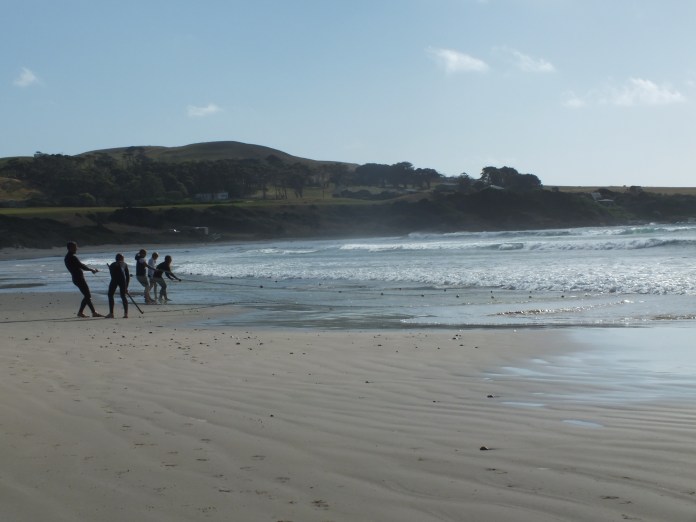
At Marrawah the famous surf beach was calm, with just a family fishing for their dinner by trawling the waves with a tennis net. Right by the beach was free camping. Realising hitchiking would be harder and harder, I decided I should start scouting around for lifts as soon as possible. So I started chatting to an elderly Dutch man in the next door campervan. No lift, but he was full of stories of South America and invited me to dinner. He was incredibly meticulous and an engineer through and through: every single thing had a designated space in the van he’d designed himself, and he told me how to cook pasta in the most exact, scientific (though sadly not very tasty) way. He now travelled to be independent and free.

The following morning the surfers were already out, catching a few waves but mostly waiting. I took my morning swim and tried to wash off some of the dirt. It was a rare windless day and the flies were out in full force, biting and drawing blood.

dscf03402

dscf03501

dscf03591

This was the first time in Tassie I’d had to wait more than 10 minutes for a lift. But eventually I was picked up by a topless, barefoot surfer-rock climber looking for a wave. He said he’d spent five months hitchiking through Alaska so now couldn’t not stop for every hitchiker he saw. When I told him I wished I could surf, he said he had a spare board if the surf was good. But when we got to the next beach the waves were crashing all over the place and onto jagged rocks. Not a good place to begin. There were four surfers flying up and down along waves, twisting and tumbling, but even they were struggling. Apparently it takes about three months of intensive learning to be able to stand and ride a wave. I am seriously considering the investment now.

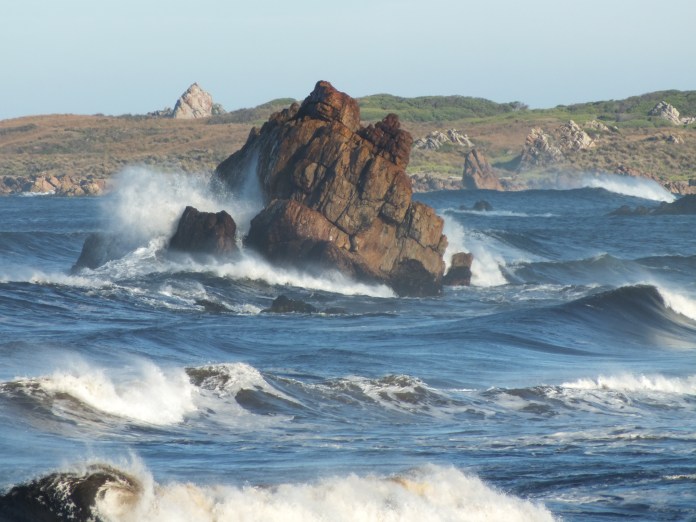
He took me down to Arthur River and we went to see the ‘Edge of the World’. There’s nothing between here and Argentina, and the air is the cleanest in the world. I’m still not quite sure why that particular point is called the edge of the world, but the view was incredible: rows and rows of waves crashing into a massive rock sticking out of the water, dead trees littering the rocky shoreline.

dscf05161

Our ways parted here, the surfer still in search of a wave, and I dithering over my next move. I could attempt to go further south, but I met a French couple who had tried to do the same and had given up and were returning north. The chances were slim that I would make it into the Tarkine – but I would always wonder if I could have done it.

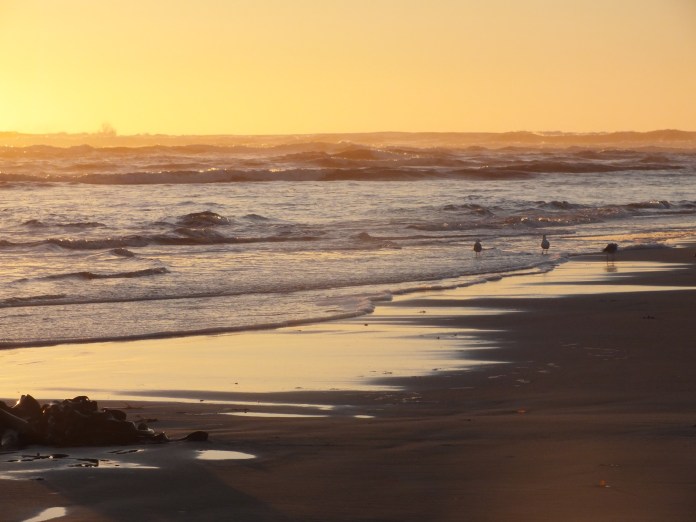
So I went for a walk along the coast, dressed in a swimming costume, t-shirt, gaiters and hiking boots (as recommended, to avoid snakes), and looking completely ridiculous. That evening there was a perfect sunset over the Southern Ocean.

dscf04722

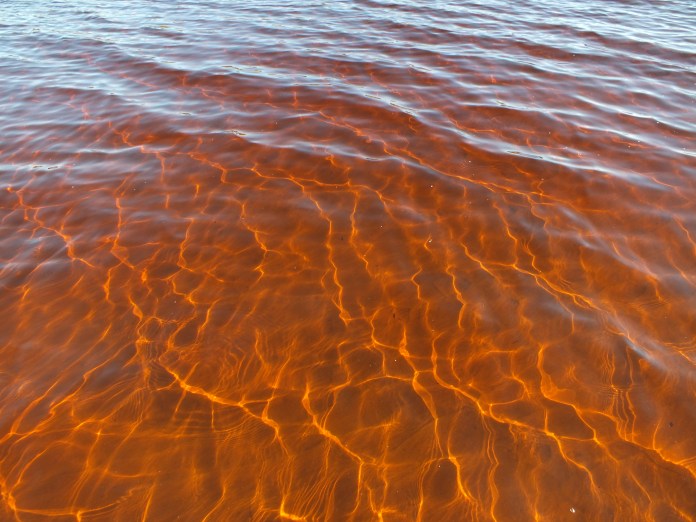
Back in Arthur River locals were swimming in the red water of the river and driving their ancient cars, things that could only be described as old bangers, along the beach (these are beaches which can swallow 4WDs). ‘Where’s the donkey?’ someone shouted. (Did I hear that correctly, donkey?) A few moments later, I passed a donkey munching away by the beach. That evening I saw the same lady driving her car slowly, window rolled down with outstretched arm holding the donkey’s lead and taking it for a walk through the streets.

dscf04431

And then, and then… as the surfer said, when you’re hitchiking you always seem to be lucky. I was brushing my teeth in the public toilets and started chatting to the woman who was also there, and whom I’d seen taking photos of the sunset. She was writing a book on bushwalking and was heading south to Corinna! After heavy hinting on my part, she offered to take me along.

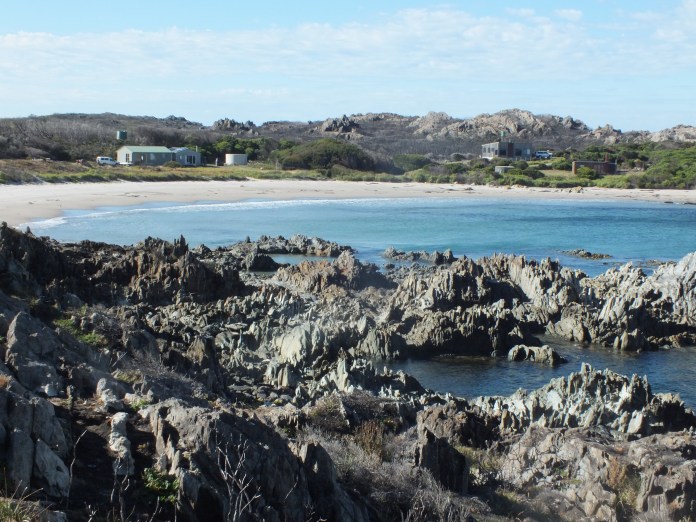
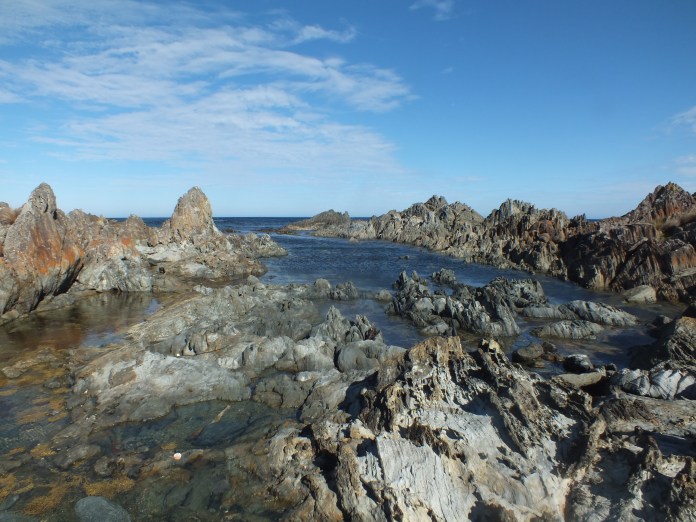
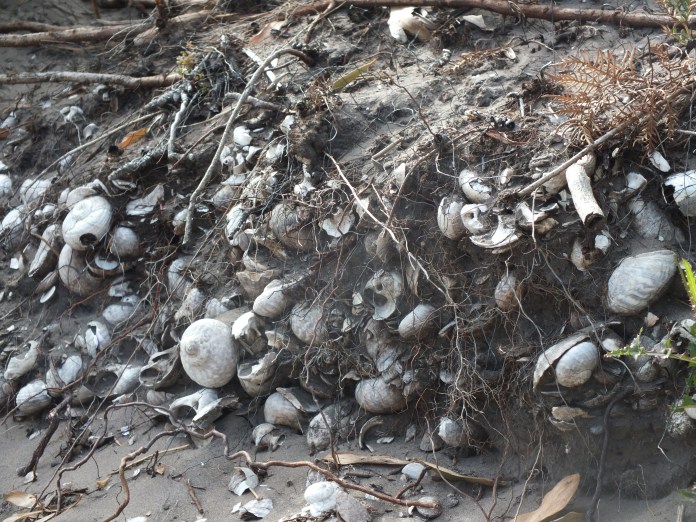
The next morning we left early to catching the morning sun at the Edge of the World, and then stopped off to test out a ‘short’ three hour coastal walk. Melanie carried a GPS to map the walk and a dictaphone to record instructions and observations. She actually seemed quite happy to have someone else with her because it meant that she could have photos of herself for once, and photos of someone walking the walk. So I modelled for her, wading through a little river, climbing some rocks, standing looking out to sea in front of dramatic landscapes. She was also a travel writer so had some incredible stories. As we walked along to Sarah Ann Rocks, a kind of city of rocks, rockpools and tall mounds, we passed a midden, a mass of shells marking an aboriginal site. The sandy 4WD track had cut through the midden, the crushed shells making the track glimmer in the sunshine.

dscf05481

dscf05621

And then we began the Tarkine drive, which was so different it deserves its own post!

dscf04311

dscf05431

dscf04981

dscf04641


Standard

The North Coast

dscf02971

After the heavenliness of the east coast, I needed to see Tasmania proper. Real life and more typical landscapes and so on. Also, rain was forecast and I didn’t want the fragile illusion of paradise shattered.

My first lift from ‘the village’ was in a bright yellow camper van with dream catchers, from a cheerful tanned blond family as Ozzie as you can get. Then at St Helens I struck gold: a lift straight to Devonport, further than I’d ever hoped to go that day. It was from an Englishman who’d taken a detour (just a little one) after finishing a film lighting job for a commercial for the Ashes – Hobart was standing in for England. He had great stories of skydiving and living in a camper van on Bondi beach while being an extra at the Sydney opera house. We stopped off at a cheeserie for tasting, then he left me by the side of the road. Third item lost: my nice little pink water bottle with filter.

30 seconds later, I was picked up by a mother and daughter. ‘We don’t usually stop for hitchhikers,’ she kept repeating, and the journey passed like a job interview. But they gave me lots of recommendations and went out of their way to take me to Penguin.

I’d wanted to see penguins in Penguin, and I saw plenty: rubbish bins moulded with penguins, penguin murals, penguin logos, penguin barber and ice-cream figures, and a 3m tall fibre glass concrete penguin, the town’s pride and glory. But no actual penguins – you had to go elsewhere for them. I did find a shop giving away spinach for free though.

dscf01752

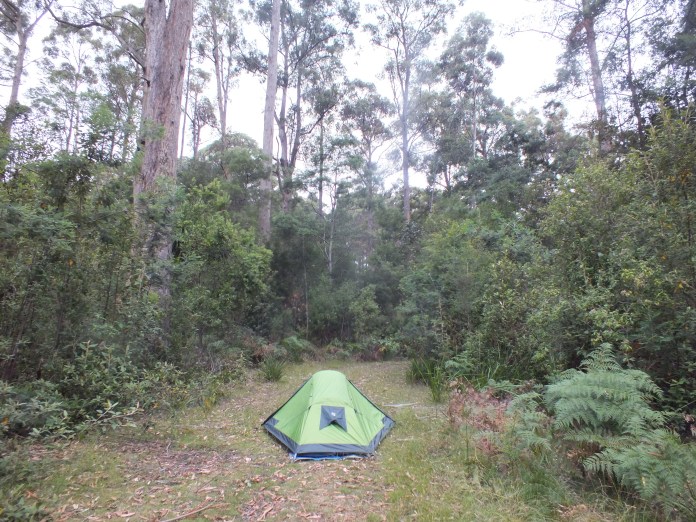
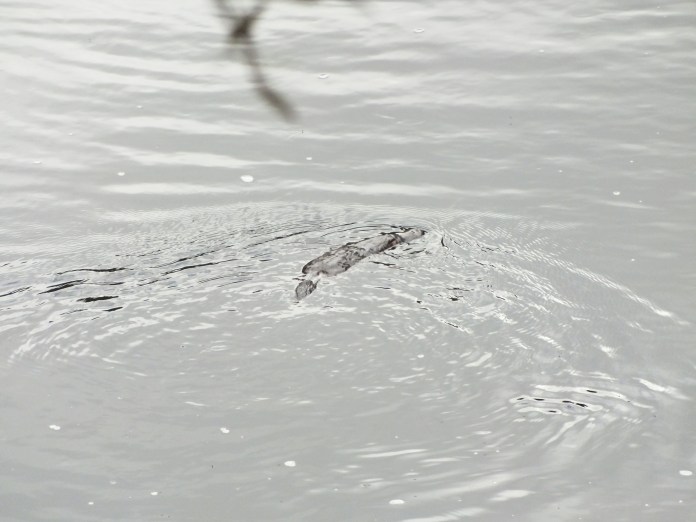
Looking for somewhere to camp, I got a lift from a builder just returning from a job for his nan, who in return had made him a massive shepherd’s pie. I had to hold it the whole way, gazing at the warm, crispy golden crust, the smell wafting up so, so temptingly. He suggested a camping spot: Fern Glade, a quiet spot along a river where you have one of the best chances of spotting a platypus. I did indeed see two, bills exploring the smooth water before their sleek slimy bodies dived under again. But it was an eerie place, an echoey valley given a sinister feel by the distant industrial sounds and the bird calls which sounded creepily human. I pitched my tent behind a block of toilets and tried to ignore the quiet thuds and pants of wandering pademelons.

dscf01942

dscf01922

dscf01881

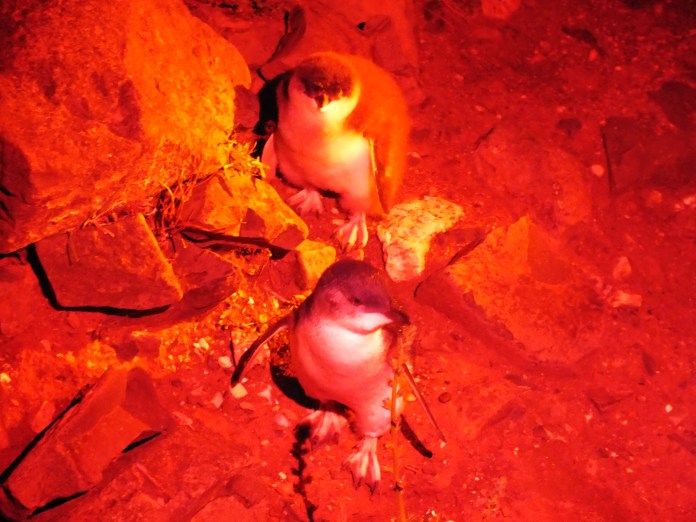
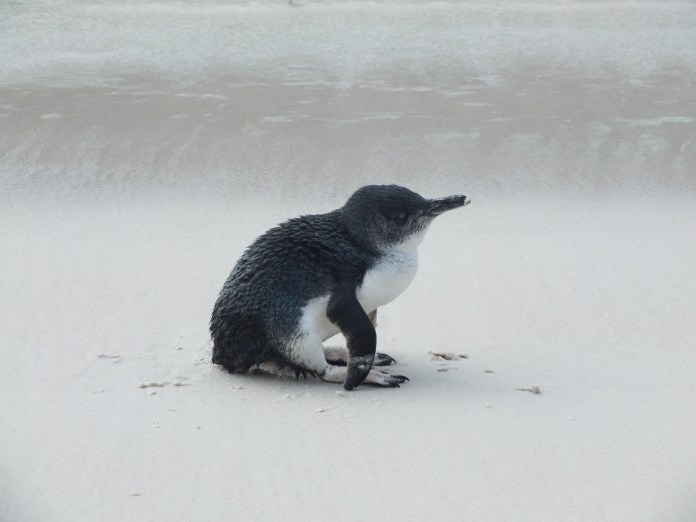
It rained all night so the next day  I caved in and went to a hostel. Burnie is extremely small and quiet. It markets itself as a crafty place, but there’s not much to it. But at last I got to see some penguins! They’re tiny creatures, about the size of a rabbit, and every evening the chicks wait around for their parents to arrive home and feed them. The adults, however, seem to have little interest in their children, and just sit on the rocks for half an hour or longer, letting the chicks squawk and fight among each other. Perhaps they’re trying to toughen their children up.

dscf02012

dscf02081

dscf02581

The next day I went on a drive with an English ecologist, who showed me how many of the plants and birds around are actually British. The whole landscape and ecology has changed so much in the last three hundred years. We stopped off at an aboriginal cave, a 50 foot cleft in a rocky outcrop. There are three major headlands in that area, and the story told is of three older children who were left to look after their younger siblings. The older children got carried away playing and allowed the younger ones to wander  off and die. When the parents returned, they cast out the older children. The three children can still be seen in these three outcrops. Overlaid onto this story was the geological story of the rock – just another story to add to the rich history and readings of the landscape.

dscf02801

Finally we reached Stanley (now achieving even more local fame as a set for the Hollywood film ‘The Light Between Oceans’). It is very quaint, with several chocolate shops and B&Bs advertising ‘colonial accommodation’. The Nut, an extinct volcano (and another outcast child), was very bizarre, and, jutting out into the treacherous Bass Strait, was of course extremely windy (where isn’t it windy on this island?).

dscf03061

The ecologist left me outside Stanley, bidding me farewell to the sound of sky larks. And that was as far as I got along the north coast, the most populated part of Tassie. It was grey and quiet, even though it was in some ways busier than anywhere else I’ve seen here. It felt a lot more connected to the mainland, both in terms of trade and tourism. Waiting on the roadside, with low heavy clouds overhead and not a building in sight, I felt closer to the world than I’ve felt for a long time.
Standard

The East Coast

The East Coast of Tasmania is full of quiet ‘retreats’ – places to hide away from life, to get married on a beach, to escape one’s hordes of admirers in the endless bays of white sand and emerald seas.
dscf99512

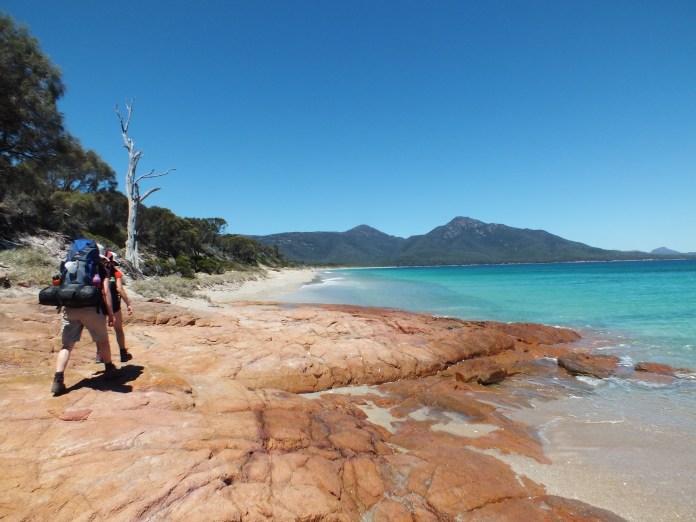
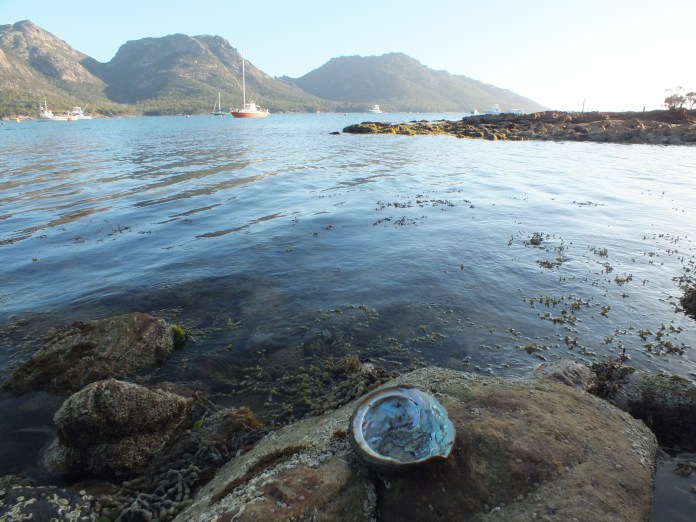
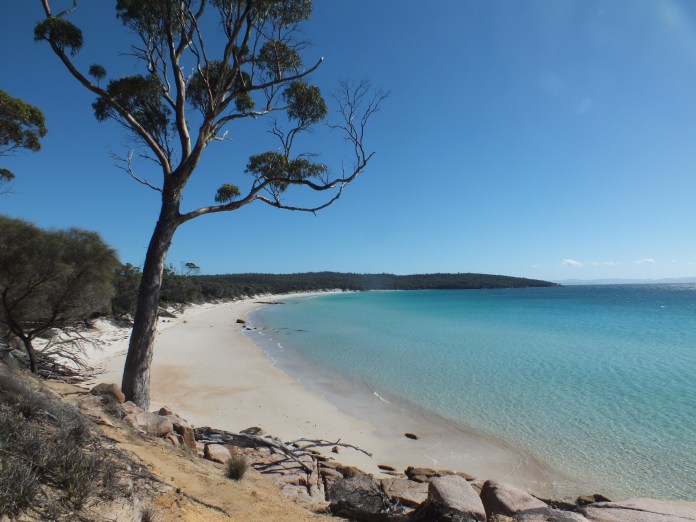
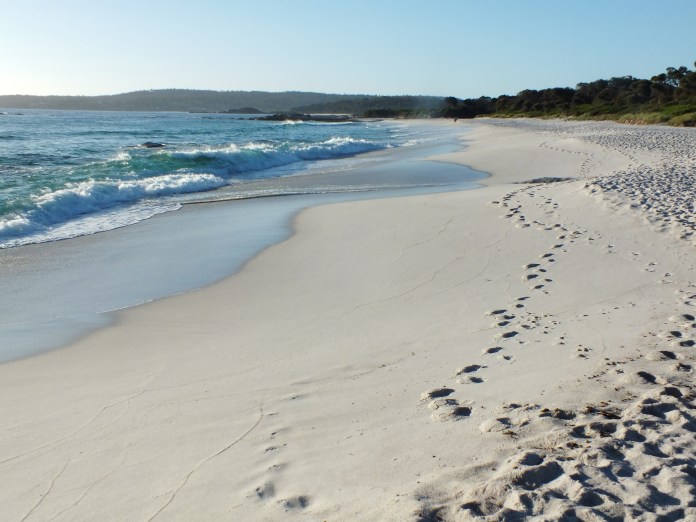
So I also retreated into the Freycinet Peninsula: three days of total loneliness walking through snake-ridden bush and across deserted beaches of paradise. It was hot and there wasn’t a cloud in sight the first few days. The water was clear as glass, so transparent you could almost miss the waves until they knocked you under. In the calmer beaches, alone with the seagulls and oystercatchers, swimming became a kind of floating, drifting over ripples of white sand.

The first camping spot had posters up about disease-carrying mosquitoes, which made me somewhat concerned about the 30 bites on my left leg and massive swellings on my arms. Not much I could do though.

Just before sunset sunset I walked down to the southernmost beach and saw a few boats bobbing around. These beaches were clearly the preserve of filthy hikers and the filthy rich.

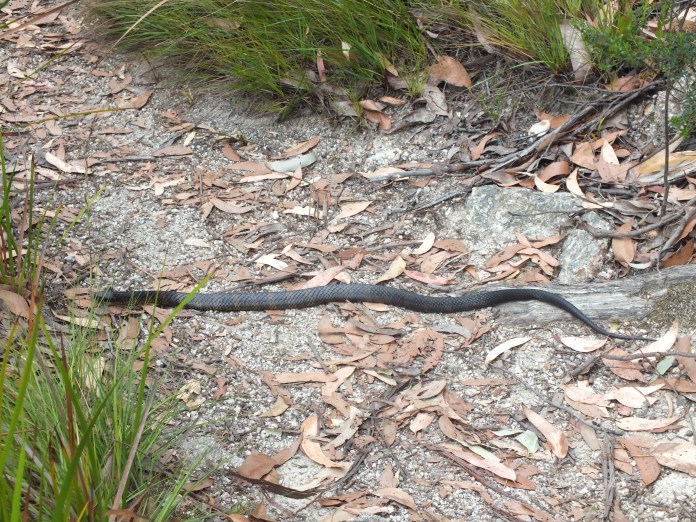
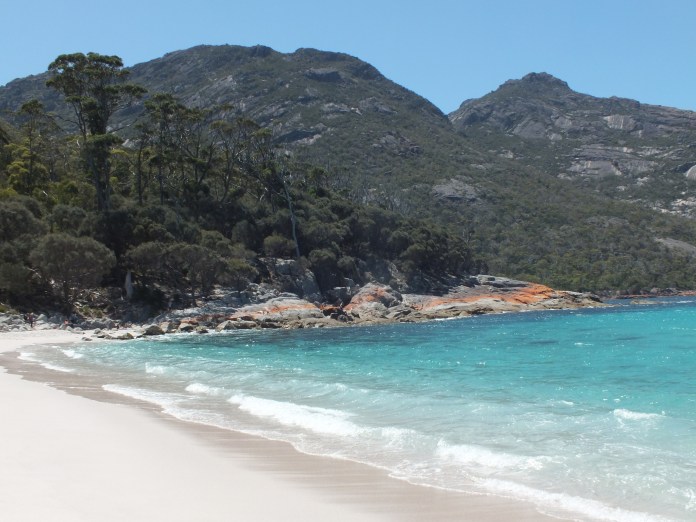
The following day was a 6 hour walk across the peninsula. It was hot and agonising, and my suncream dribbled down in dirty smears all day. The shade disappeared and the path turned into steep boulder scrambling. At the top of Mount Graham all I could do was lie with my back arched over a rock trying to breathe. On the way down I waited for a snake to pass (all you need to know here is that all snakes look the same, they’re all poisonous, and they all have the same antidote), and finally caught a glimpse of Wineglass Bay, the picture postcard shot of Tasmania – a perfectly curved beach enclosed by forested hills. I ran down (until I fell over), then at last dove into the water and floated fully clothed.

However… there was no drinking water. It was the first time I’ve ever had to worry about water: I only had a litre left to last the next day’s walk back up the hill. Following a coffee-coloured stagnant creek until I found a hint of running water, I boiled some for soup. A few plops of rain began so I left out my saucepan to catch some rainwater, but it was bone dry in the morning. I dreamed of streams and babbling brooks.

In the end it was alright, despite waking up with a throbbing ankle which was neither the colour nor shape it should be. I had the bay to myself and swam  in the crystal water until I was so cold there would be no chance of me sweating.

dscf99651

dscf00231

dscf98891

dscf99151

Back at the car park I started hitchhiking. The first lift I got was from a Chinese family in a people carrier. As I crammed myself in, I realised I was bleeding onto everything I touched and so surreptitiously began sucking my thumb. But when we got to the visitor centre my door wouldn’t open: my bag’s buckle strap was caught in the door. We all tried heaving and pushing and pulling but it wouldn’t budge. Eventually, after much collective heaving and huffing, we managed to free my bag and inspect the bent metal of their hire car. They were extremely kind and said it wasn’t a problem, but I walked away extremely embarrassed. A brilliant start.

Recounting this story to some fellow walkers got me my next lift, and then I was picked up by a motorcycle enthusiast in a ute, driving to manage his 24 holiday houses. First item lost: suncream.

The next lift was from a car of English pensioners from east London… We exchanged travel stories of Kyrgyzstan and the Trans-Siberian, and they tried to find me a career path. Our ways parted on a cliffhanger ending in my journey from Russia to Mongolia. I then got a bizarre lift in a completely silent car with two other hitchers. Passing the time blackberrying, I was then picked up by a seasoned, ex-hippy sort of traveller who was very concerned about my lack of suncream and made sure I bought some more. My final lift of the day came from a mother and daughter who not only drove out of their way to take me to the nicest campsite, but drove me around ‘the village’ until I’d found a spot. Second item lost: my big water bottle. Another night of semi-dehydration.

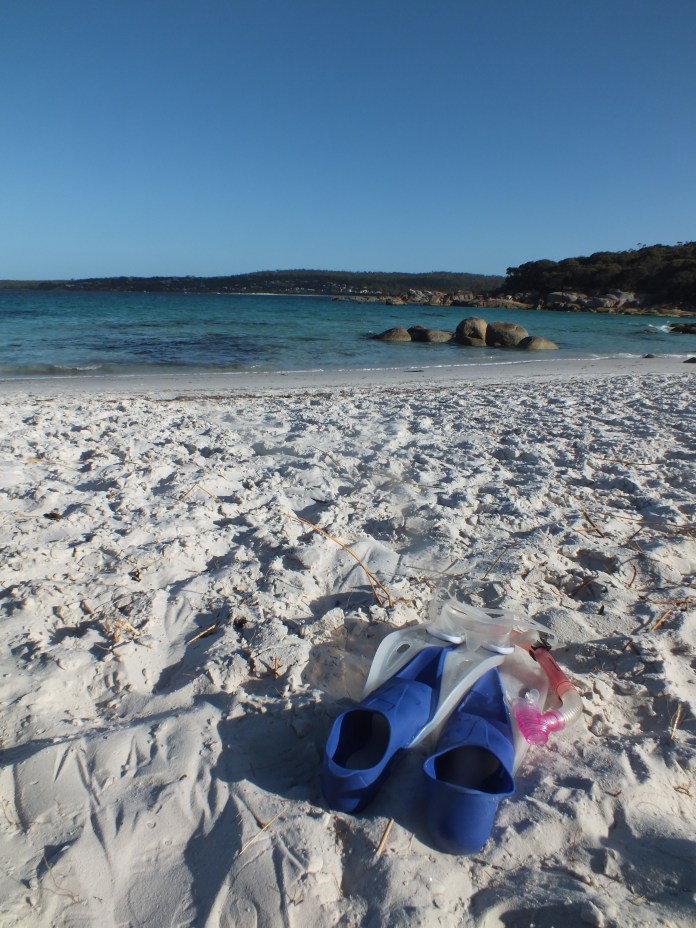
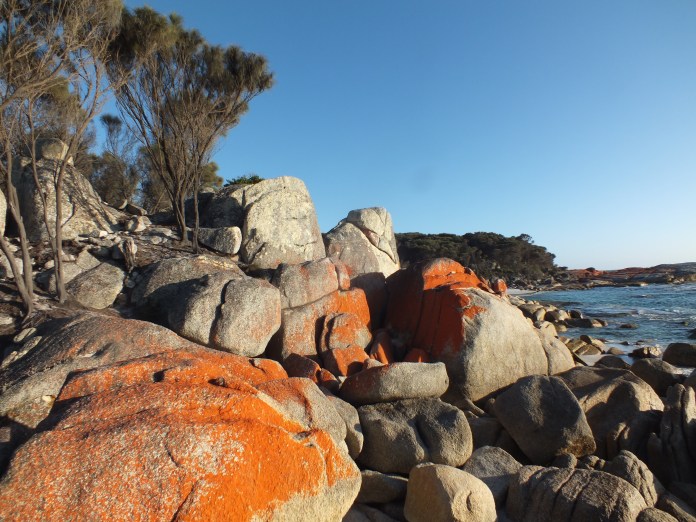
The Bay of Fires had even more beautiful beaches, with massive bright orange rocks. It took an hour’s walk to find a swimming spot, past another snake, but the people from whom I asked for directions lent me their snorkelling gear so I had a fabulous time looking at strange seaweed and shells – though I didn’t see a single fish!! It was horrible returning to dry land and felt all wrong.

It was easy and effortless travelling – perfect.

dscf99951

dscf99811

dscf99391

dscf00651

dscf01402

dscf00302

dscf01341

dscf01421

Standard

A Very Tassie Christmas

On the twelfth day of Christmas
My true love sent to me
Twelve possums playing
Eleven lizards leaping
Ten wombats washing
Nine crocs a-snoozing
Eight dingoes dancing
Seven emus laying
Six sharks a-surfing
Five kangaroos
Four lyrebirds
Three wet galahs
Two snakes on skis
And a kookaburra in a gum tree

dscf8668

dscf8654

dscf8692

dscf8718

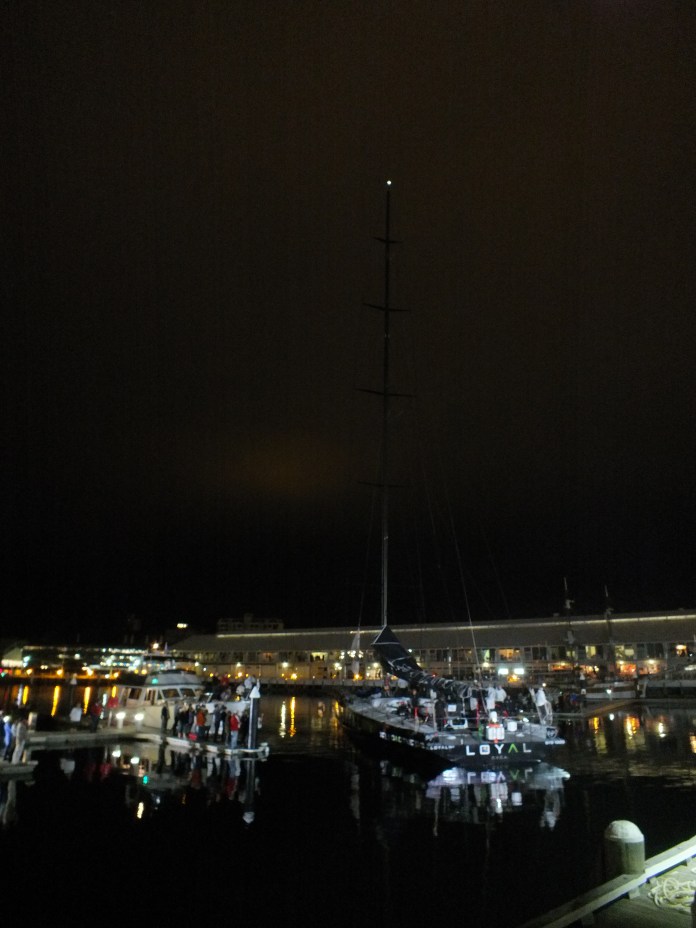
Superb winds meant cheering in the fastest yacht in the world at 3am, shortly before drenching the millionaire accountant skipper in champagne and rolex watches. The rest of the boats did their best not to go backwards.

dscf9052

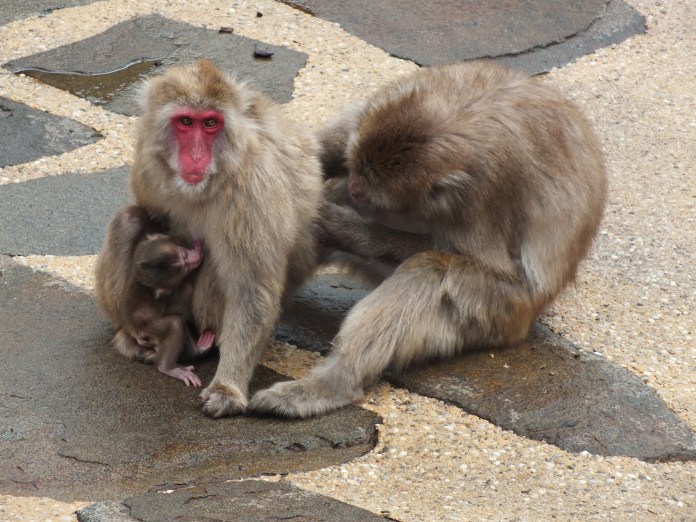
Launceston is a surreal city, with some beautiful, if melancholic, Japanese residents in the park.

dscf9142

33km of Strahan beach. Nothing between us and South America. The purest air in the world. It’s enough to make you do cartwheels.

dscf9358

dscf9295

dscf9232

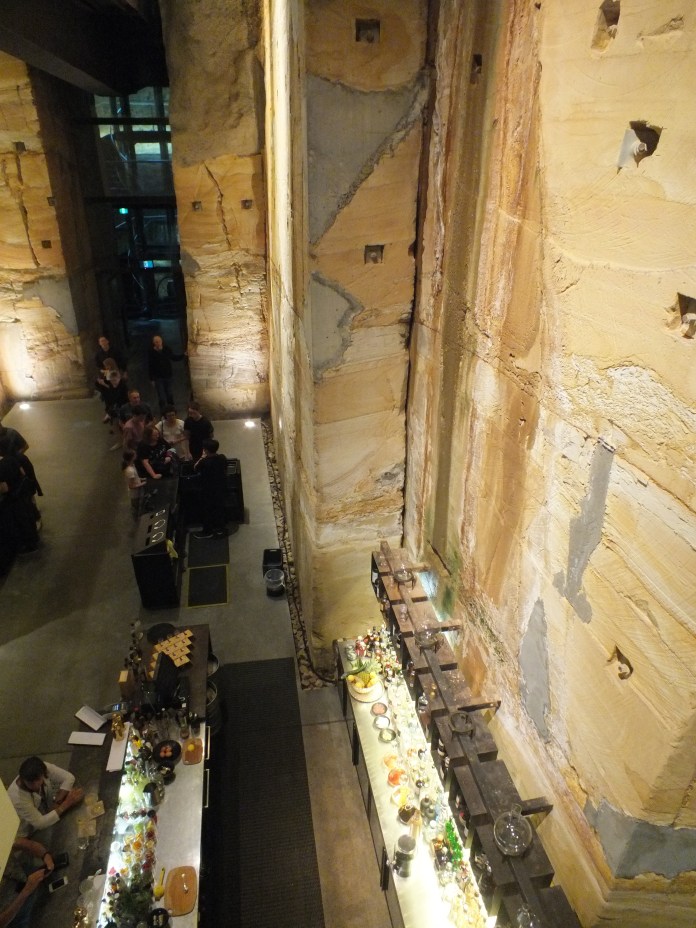
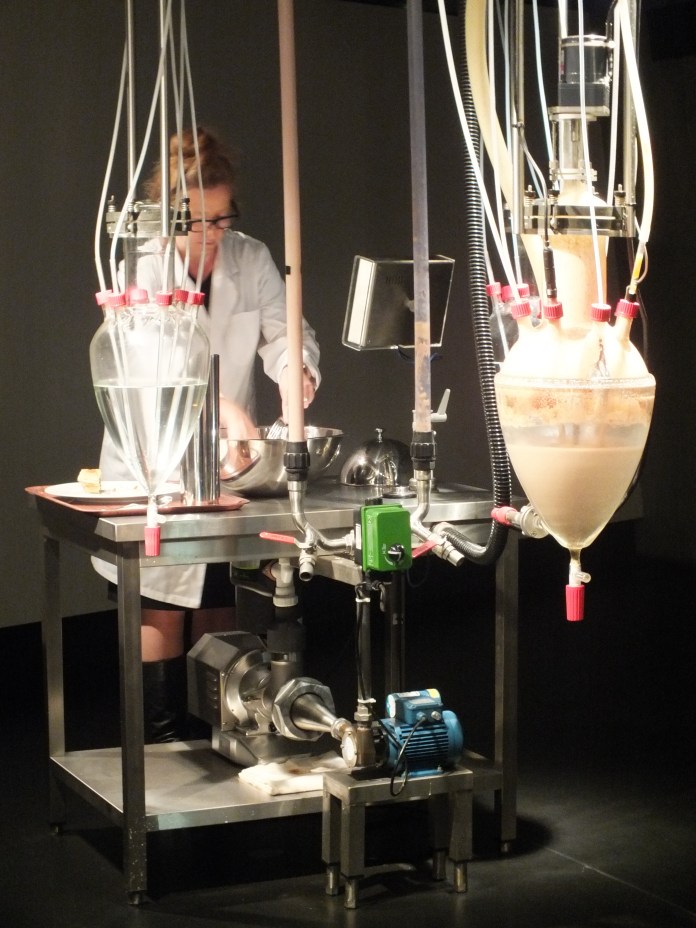
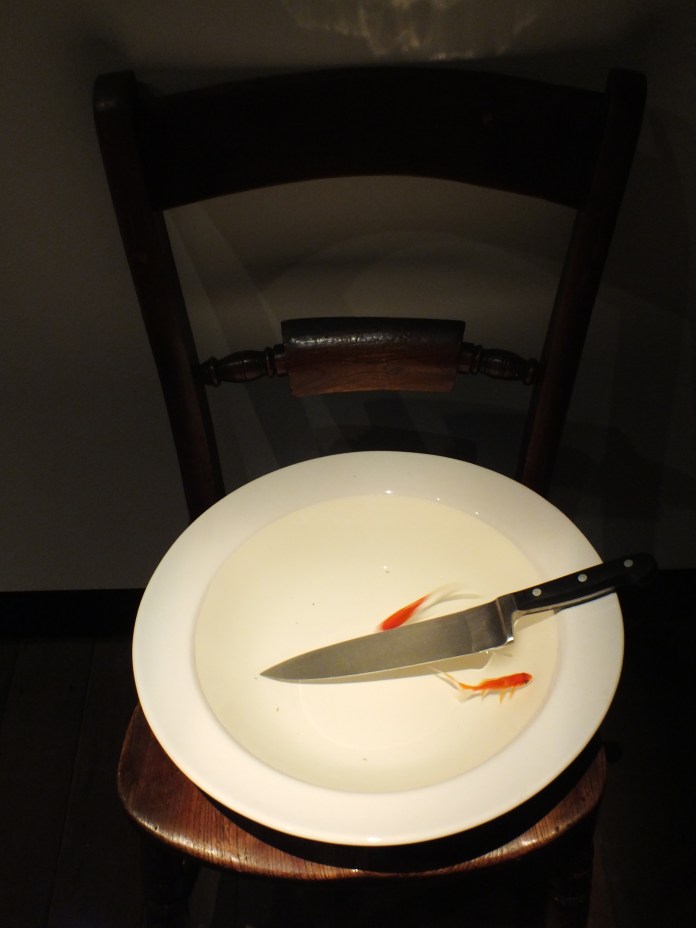
What would Christmas be without a trip to MONA, the Museum of Old and New Art, or temple of Atheism, Sex and Death?

dscf9464

dscf9457

dscf9445

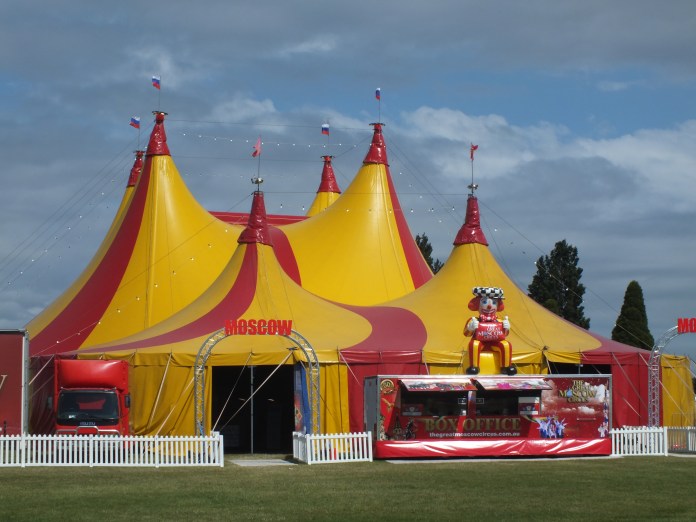
And Christmas wouldn’t be Christmas without a trip to the Great Moscow Circus of course!

dscf9491

And now I’m coming home.

dscf8824

Standard

Sydney

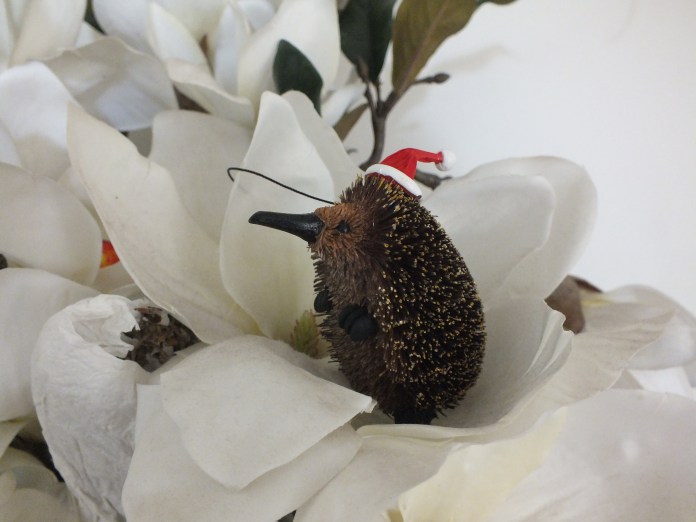
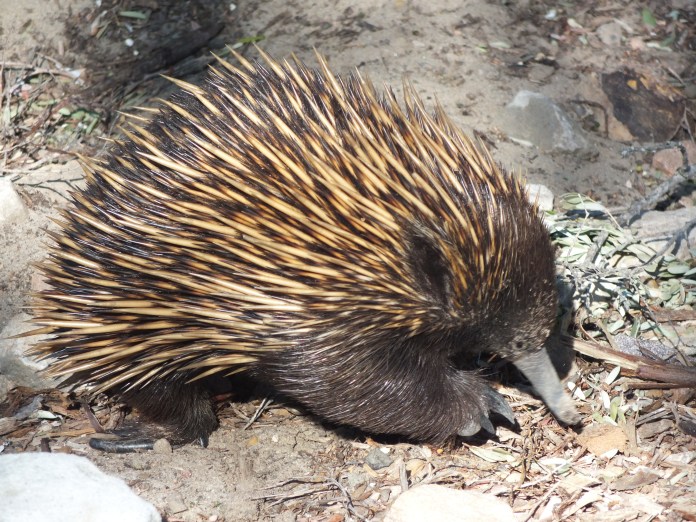
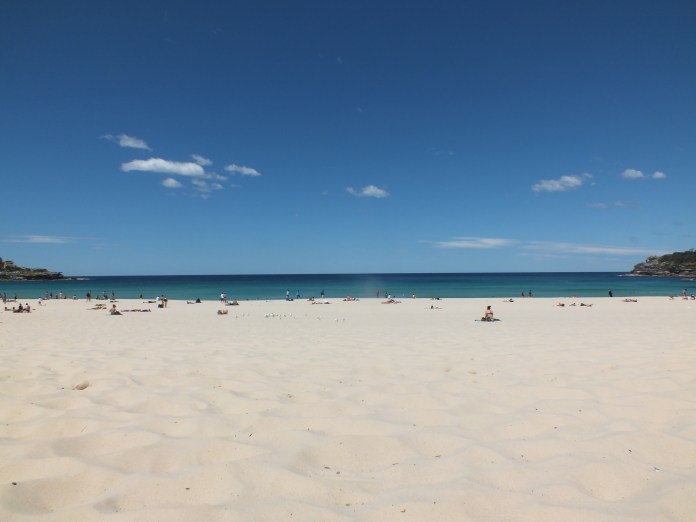
Sydney, that uncultured city everyone down south is so rude about. But weather can be everything – the dark blue sunny skies, the warm days and the cool breezes made for a relaxed, languid and thoroughly enjoyable week away. It often felt like an Asian city, and it was so good to be back in a real city. Yet strangely, I think the highlight was the moment an echidna waddled over to sniff my shoe!

dscf7734

dscf7915

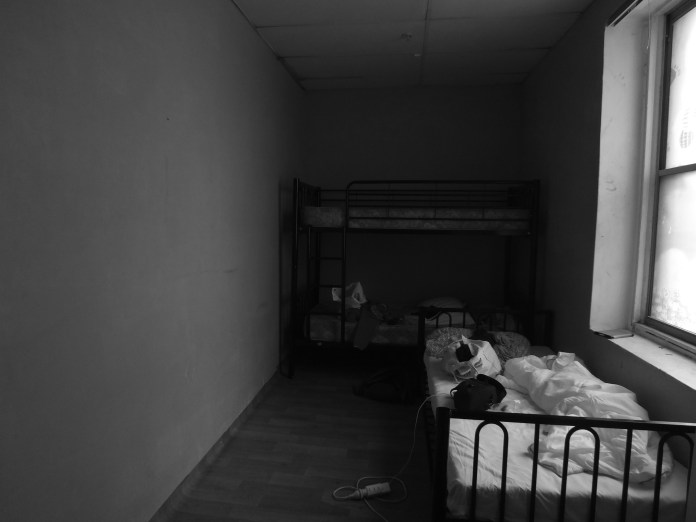
After eight days on the Overland track, any hostel would have been alright, even the cheapest one in Sydney that advertised itself as ‘good but not very good… if you want quality don’t stay here’. I probably should have been a little bit fussier… Creaky lino floors, slimy tiles, stained sheets, food caked into the cooker, overflowing rubbish bins in every corner. There was no toilet paper, no cold water (only hot), no cutlery. People slept in beds they shouldn’t have been sleeping in. The sitting room was occupied day and night by lonely men watching TV. Students and working holidayers were living there for months and had tired of a city in which they could not afford to do anything.

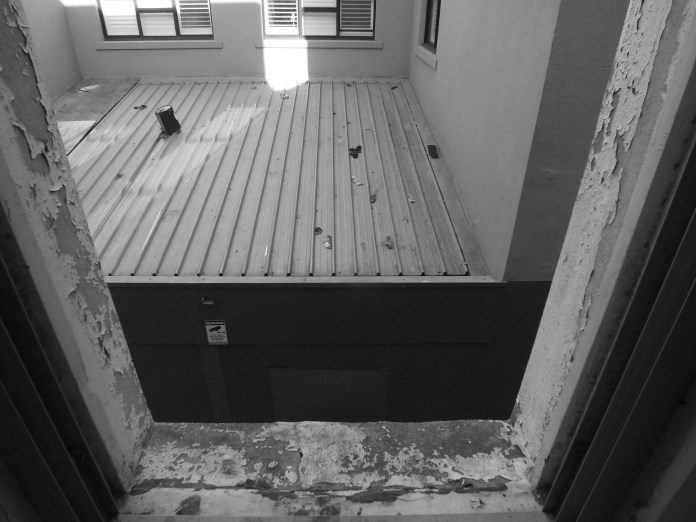
Some of the guests could see the humour in the situation, and I made a lot of friends this way. Even the cockroaches were funny. But when my bed broke and the mattress started sagging dangerously close to the person below, I was moved to a room of my own with even more cockroaches, overlooking a roof strewn with filthy old socks, and next door to a toilet and sink smeared with I-don’t-even-want-to-think-what-that-brown-stuff-was and a drain hole crawling with bugs and sodden rolls of toilet paper disintegrating on the floor. On my own, it didn’t seem so funny.

dscf8252

dscf8229

dscf8171

dscf8189

So in fleeing the cockroaches I wandered the streets and found myself in a completely fascinating lecture on Japanese tattoos.

Everything at the Art Gallery of New South Wales begins with the following phrase: ‘First of all I’d like to acknowledge the Cadigal people whose land we are on’. But I have no idea what this is saying, especially when what you then say has nothing to do with the Cadigal people. However you wade into indigenous affairs, you seem doomed to lose.

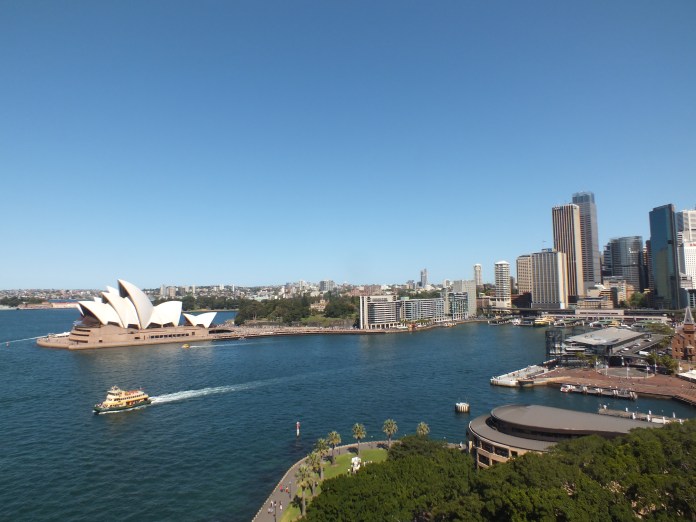
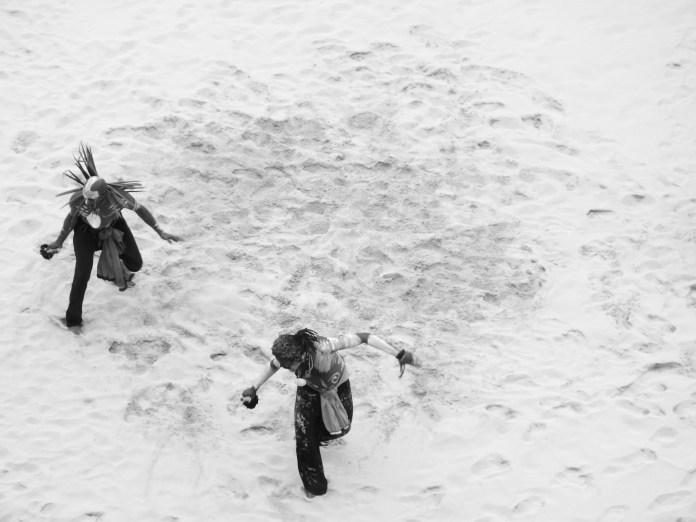
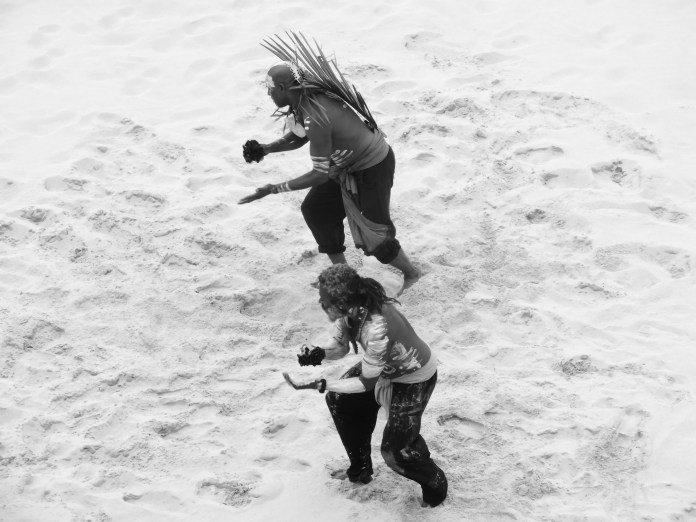
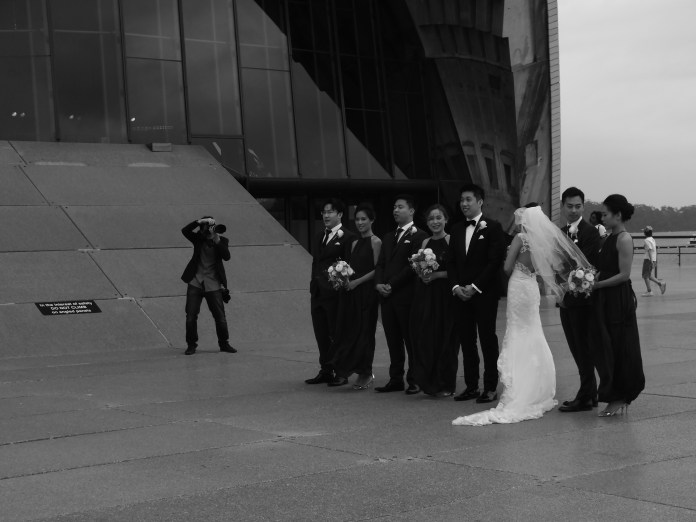
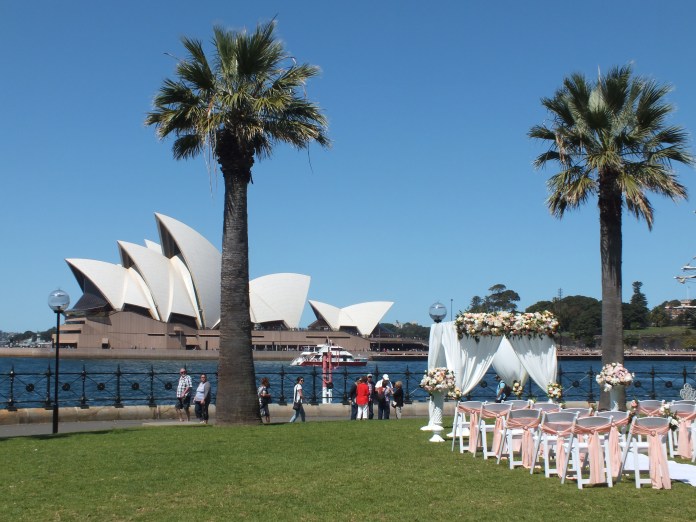
The Opera House (which really is beautiful, to my surprise, especially close up) held a festival celebrating first nations. Perhaps it was just because the weather had turned colder, or because it coincided with the hugely popular night noodle market, but the turnout wasn’t very good, despite the fact that indigenous culture seems to be increasingly fashionable. There was a cooking demonstration using native ingredients (just throw in a bit of mountain pepper and wattle seed) which really came to life when the food started flying around the harbour. There was some incredible dancing and singing, which I had assumed would largely be a tourist thing, like the didgeridoo busking elsewhere, but it didn’t really have that feel. The best, and by far the most popular, moment was when a black-skinned woman leapt up from the audience (roughly half black, half white) and joined in one of the dances. I wished I were aboriginal, ‘first to arrive and last to leave’, but no, I was stuck on the colonial side, and the only thing I could think of doing that would really help was to go home.

So I went back to my hostel, slowly opened the door and stuck my arm in to switch on the light. Little cockroaches scurried under the bed. I put on a Haydn mass, laced up my boots and started attacking them like an aboriginal dancer, crouching, stamping, hopping and twisting. I think they’ve all gone now.

dscf8276

dscf8315

dscf8329

dscf8307

dscf7919

dscf8285

dscf7841

dscf7875

dscf8367

dscf7729

Standard

Overland Track

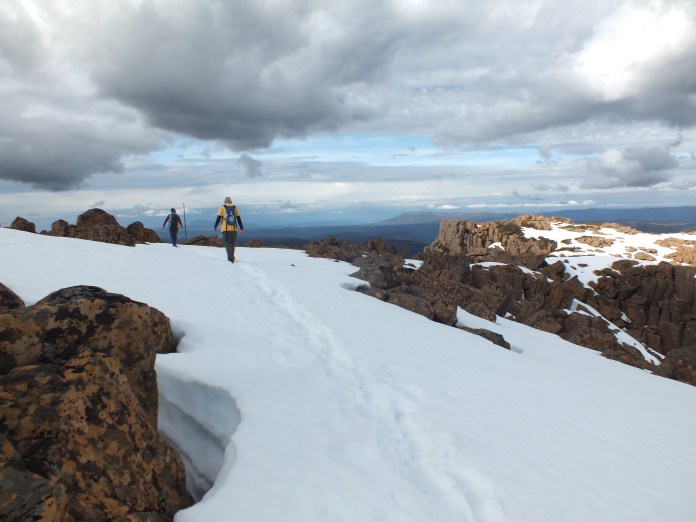
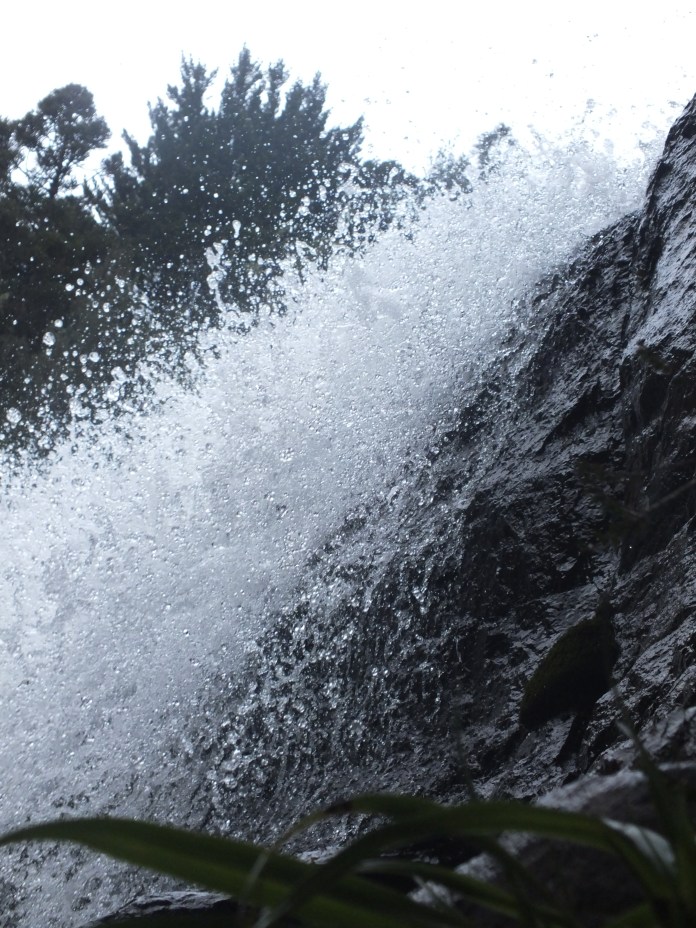
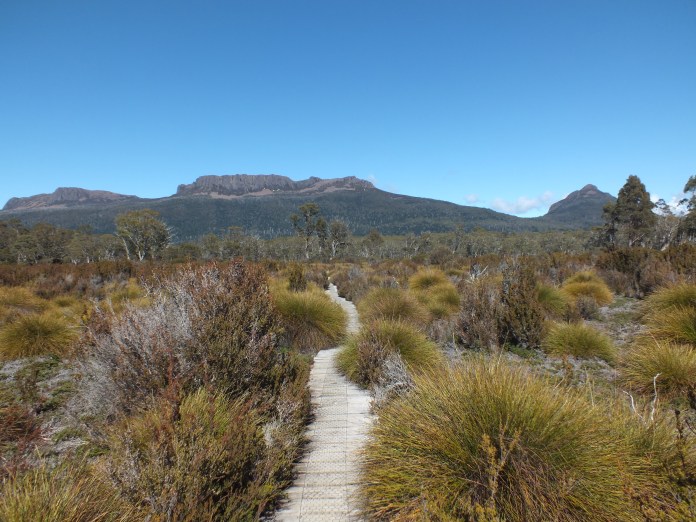
In this small island state, forgotten at the bottom of the world, is ‘untouched’ wilderness (if we forget the inhabitants that lived there for 35,000 years) – mossy rainforests, rugged mountains, alpine meadows, buttongrass moors, perfumed eucalyptus forests, thundering waterfalls. In the 1930s, a 65km walking track was created through the middle of this, the Overland Track. It has become Tasmania’s biggest tourist attraction and is now too popular for its own good. You have to pay to do the walk half the year round, and the other half of the year is so crowded with hikers you’ll meet more people there than in the centre of Hobart. But when the sun goes down and everything is in darkness, or when someone sprains their ankle, or when it’s snowing and everything is wet and the only heat is what comes from your camping stove, there’s still a pang of remoteness, of isolation and vulnerability.

dscf7334

dscf6931

dscf7048

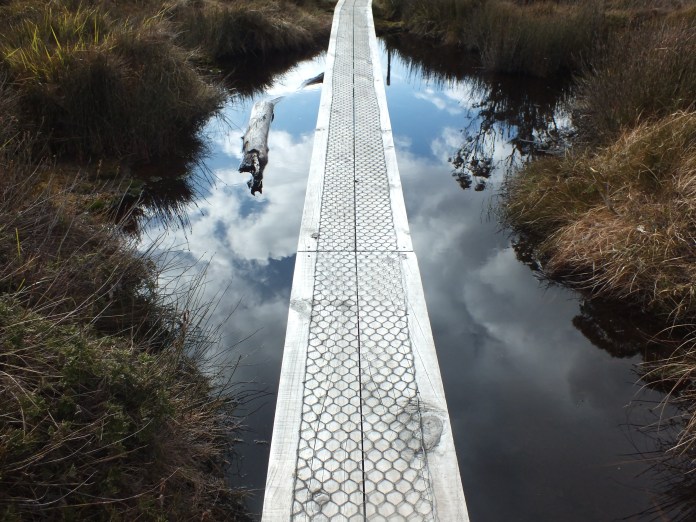
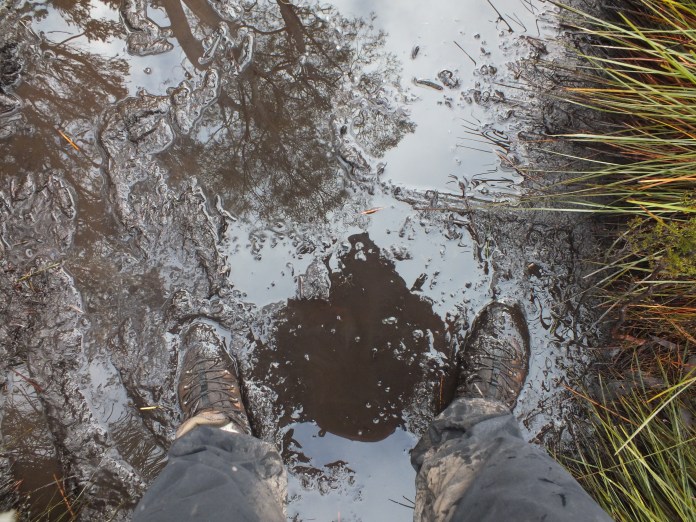
With side trips and not enough money for the ferry at the end (but that would be cheating anyway), my eight day walk covered 106km. There were a few scrambles up mountains, a lot of slipping over tree roots, sloshing through puddles of mud, and one famously horrendous climb with a chain to pull yourself up, but a surprisingly large amount was delightfully easy boardwalk (which prompted the best line of the trip, in a thick Irish accent – “I’m going to do a Pope!” – getting down to kiss the boardwalk).

dscf6809

dscf6623

dscf6314

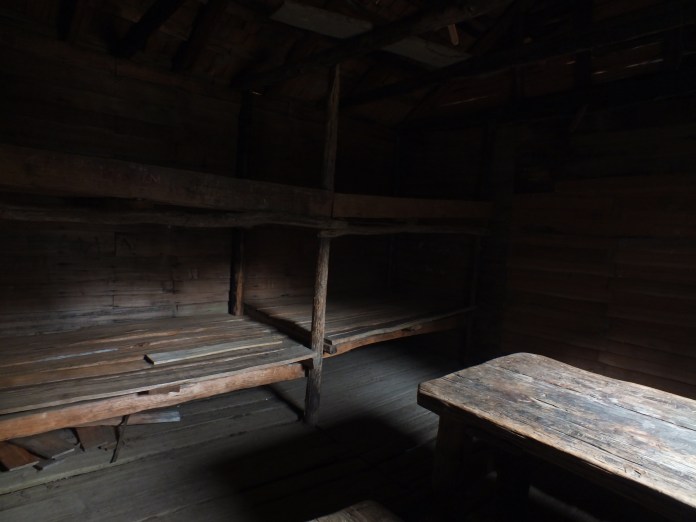
Although I was walking alone, there were two other women also doing it on their own, and it was impossible not to be extremely sociable. I watched in envy as my new vegan friend cooked up dehydrated vegan feasts of tempeh, tomatoes, seaweed and split peas, and the Ned Kelly gang of bearded Adelaide hipsters drank their two litres of port, lovingly hauled for days, and spent the evenings giving each other massages. There were couples from Sydney comparing this walk to their last one in Machu Picchu and debating Gore-Tex and UV water purifiers. There were young men ticking mountains off their to-do list, ignoring any snow or cloud (“I just want to say I’ve done Ossa. I don’t care about the view”). Afternoons and evenings were spent lying in sleeping bags in old wooden huts, or sitting around in red headtorch light, playing cards, listening to stories of life in Egyptian gold mines, surviving the Nepalese earthquake, being a Hungarian refugee queuing up for food, and life in emergency departments in the Northern Territory (how can a man with no legs and no arms go missing from ICU? A woman comes to the hospital with an itchy head – it’s the maggots on the festering wound from where her husband beat her skull in last week), taking it in turns to recount shark encounters, recreating the sound of crocodile jaws snapping shut, longing for iceberg lettuce and gambling for chocolate and fresh carrots. The final evening was spent with a group of 11 obese Tasmanians who had decided that they cheated last year by taking the ferry at the end, so were coming back to finish the walk off properly. They were really bush, somehow, despite their rolls of fat.

dscf7061

dscf6750

dscf6174

dscf6188

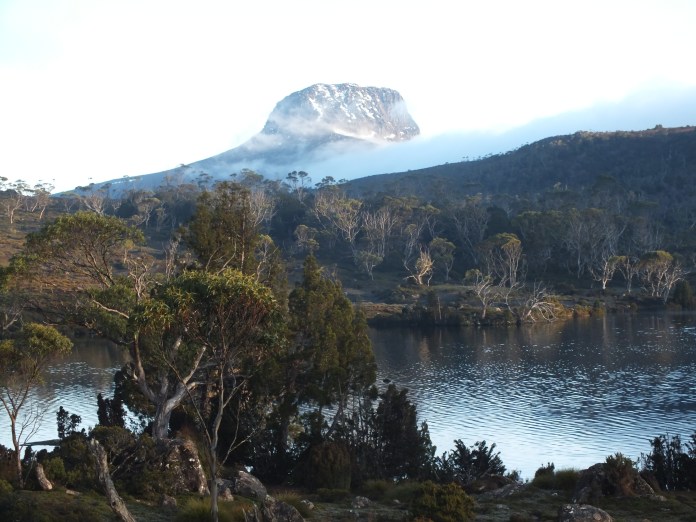
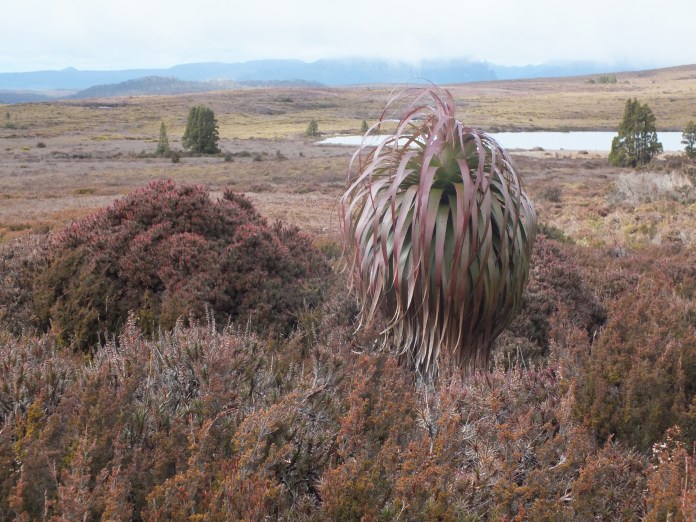
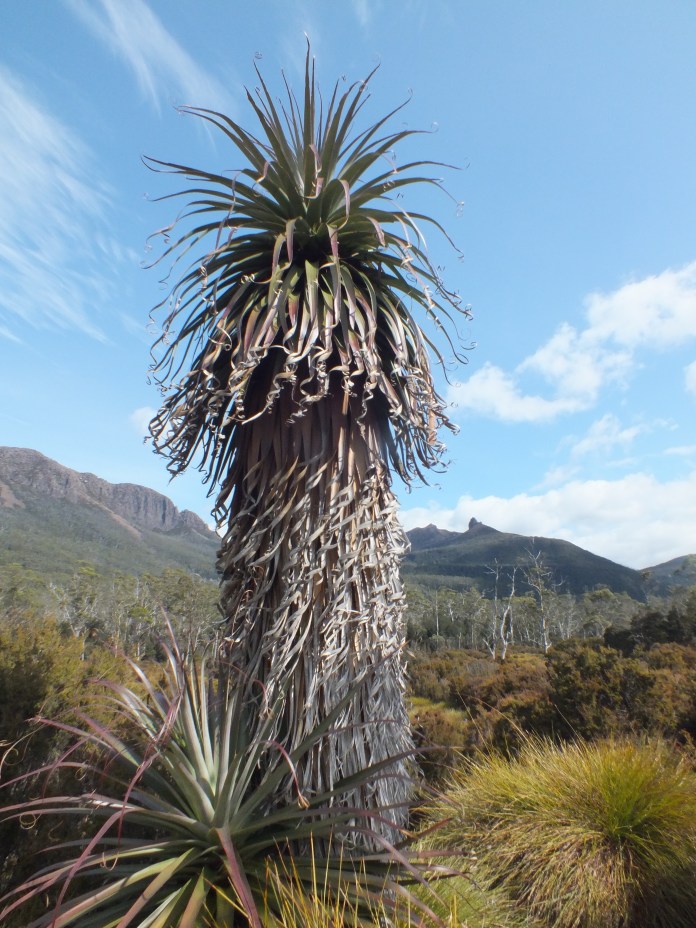
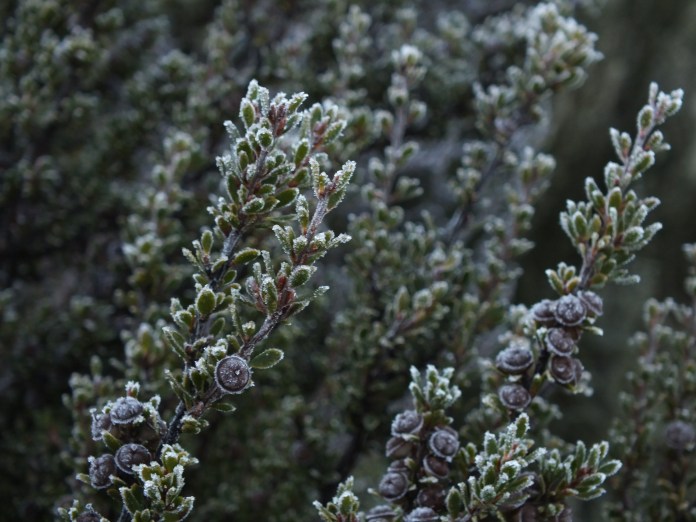
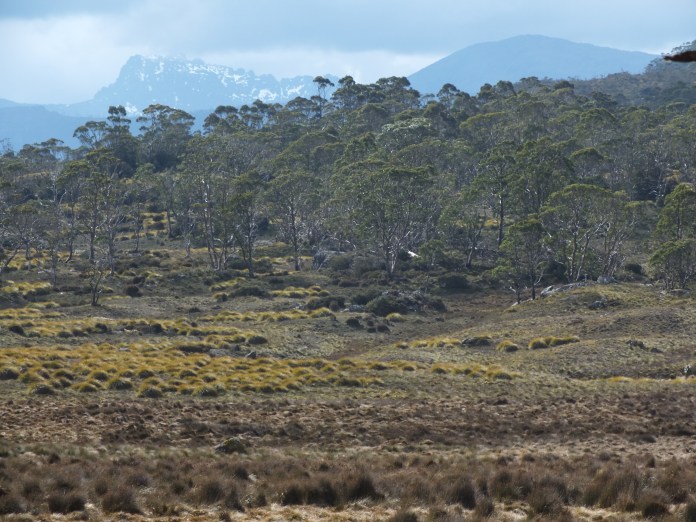
The landscape is ancient, a memory of an Australia that no longer exists. Mountains that bear the scars of the ice age and plants from the old world of Gondwana that the rest of the world has forgotten. Huge trees that grow just a millimetre or two a year, encrusted with layers of lichen and covered in slimy moss. Warm, friendly hillocks of yellow buttongrass scattered among small pools of black water.

dscf7006

dscf6945

dscf6760

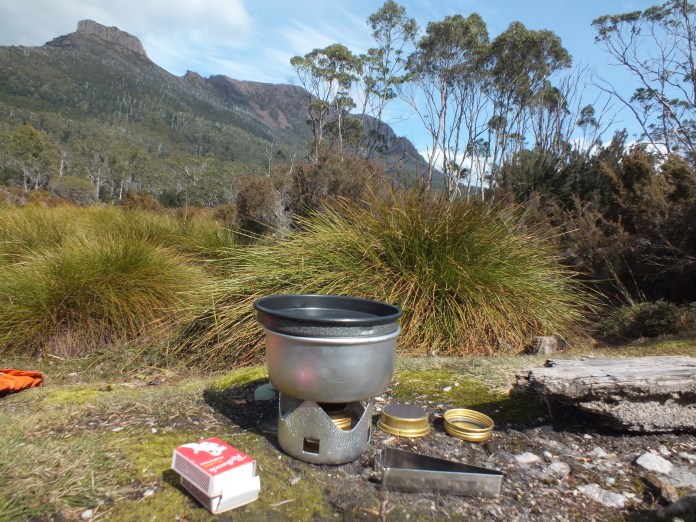
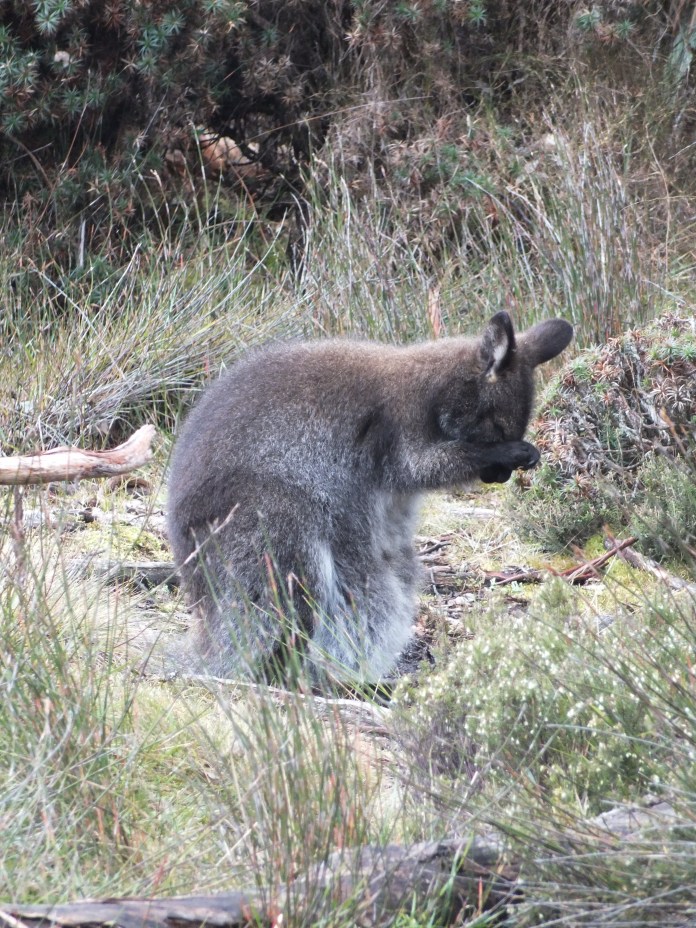
I could see the rhythm of the track going on forever – looking up at the stars each night, waking up and heading outside into the frosty morning, taking water from streams, feeling the weight of my pack sink into my back, slipping my feet into wet boots, bumping into a pademelon feeding her joey, eyeing up whether a currawong is going to try and break into my bag, just stopping to sit on a tree trunk I’m climbing over, falling into leech-infested waters in Frog Flats, fighting through bushes and branches. But each day was also a countdown to a shower and a real toilet, a night without snoring, real food.

dscf6898

dscf7129

The final day of 17km through rainforest felt like the longest walk of all, but as I trudged triumphantly into the Lake St Clair visitor centre, to celebrations of beer and chips, I was so sad it was all over. We Overlanders were bonded by a kind of pride and shared exhaustion. We drank Boags and champagne and sheltered inside a hut by a large log fire, watching the promised rain finally come down, discussing the rumours of who had been airlifted out and how you could walk for two days on a snapped ligament – the subject of this rumour soon arrived and actually showed us his impressively black swollen leg. The others started comparing their aches and pains. I sat silent, feeling awkwardly smug in having nothing to contribute.

If I could, I would have turned round and walked back the way I’d just come. Rainforest fatigue is far better than traffic jams.

The rainwater tanks offered us, quoting Auden, a new motto for the week: “Thousands have lived without love, not one without water.” It was a strange blend of survivalist independence and highly managed tourism. It was wilderness without feeling harsh or too wild; cramped and sociable and smelly, but with a beautiful, simple, all-absorbing freedom in walking.

dscf7022

dscf7251

dscf7500

dscf7201

dscf7578

dscf7379

dscf7478

dscf7653

dscf6996

dscf6831

dscf6845

dscf7617

dscf7531

dscf7204

dscf7071

dscf6796

dscf6507

dscf6070

dscf6405

dscf6271

dscf6607

Standard